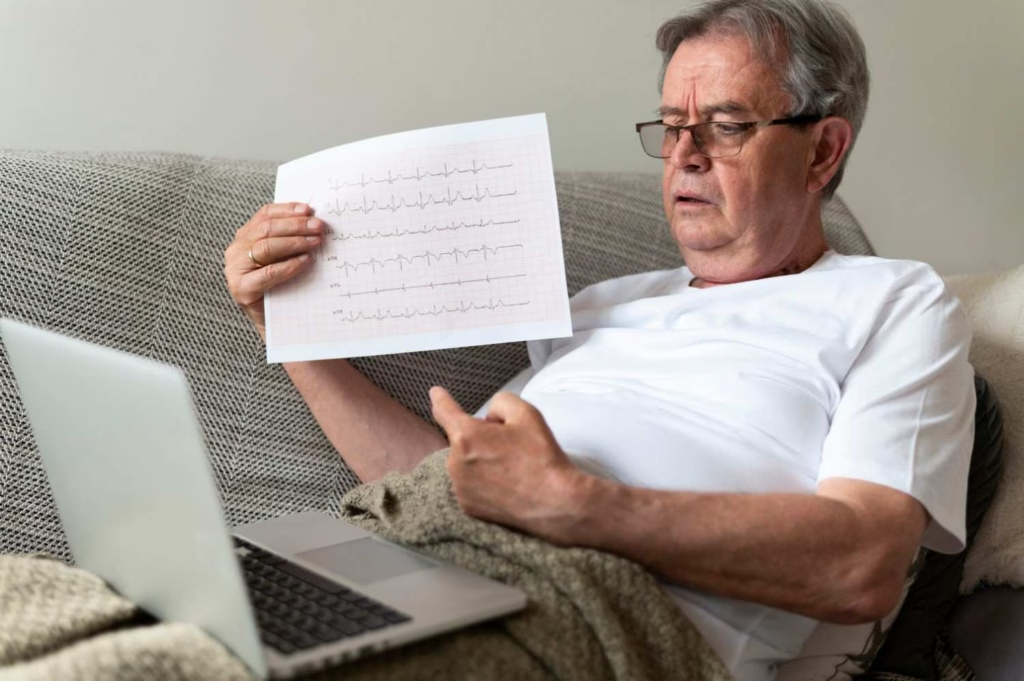
As people grow older, families often worry about what causes sudden decline. Many think it is age itself, or a specific disease like dementia or heart problems. But in elderly care, one factor stands out again and again as the strongest predictor of decline: loss of mobility. When an older adult stops moving, everything in the body begins to weaken. Muscles shrink, balance worsens, energy drops, and even thinking can become slower. This can happen quickly, sometimes within days or weeks. Understanding why mobility matters so much helps families and caregivers protect independence and prevent avoidable decline.
Table of Contents
- What “Decline” Really Means
- Why Mobility Matters So Much
- How Quickly Decline Can Happen
- The Link Between Bed Rest and Weakness
- Muscle Loss in Older Adults
- Balance and Fall Risk
- Effects on the Heart and Lungs
- Impact on Brain Function
- Loss of Confidence and Fear of Falling
- The Role of Hospital Stays
- Warning Signs of Decline
- How to Prevent Loss of Mobility
- Small Daily Movements That Help
- The Role of Family and Caregivers
- When to Seek Medical Help
- A Word from Dr. Zara
- Frequently Asked Questions
What “Decline” Really Means
Decline in older adults does not always mean a single disease. It often means a gradual loss of strength, balance, independence, and ability to do daily tasks. A person who was once walking independently may begin needing support, then may struggle to stand at all. This change can feel sudden to families, even though it may have been building over time. Understanding decline helps families act early.
Why Mobility Matters So Much
Movement keeps the body working. When older adults walk, stand, and move regularly, they maintain muscle strength, joint flexibility, and coordination. Movement also supports blood flow, heart health, and brain function. When movement stops, these systems begin to weaken quickly.
How Quickly Decline Can Happen
Decline can happen faster than many people expect. Even a few days of staying in bed can lead to noticeable weakness. Within a week, an older adult may lose significant strength and confidence. This is why early movement is so important.
The Link Between Bed Rest and Weakness
Bed rest may seem harmless, but it can be very damaging in older adults. Muscles are not used, so they begin to shrink. Joints become stiff, and balance worsens. This makes it harder to return to normal activity.
Muscle Loss in Older Adults
As people age, they naturally lose muscle over time. This is called age-related muscle loss. When movement is reduced, this process speeds up. Weak muscles make it harder to stand, walk, and perform daily tasks.
Balance and Fall Risk
Balance depends on strength, coordination, and confidence. When mobility decreases, balance becomes less stable. This increases the risk of falls, which can lead to serious injuries and further decline.
Effects on the Heart and Lungs
Movement helps keep the heart and lungs strong. When activity levels drop, the heart works less efficiently, and breathing may become weaker. This can lead to fatigue and reduced stamina.
Impact on Brain Function
Physical movement is closely linked to brain health. Reduced activity can affect thinking, memory, and alertness. Older adults who move less may become more confused or withdrawn.
Loss of Confidence and Fear of Falling
Once mobility decreases, fear often increases. Older adults may worry about falling, which leads them to move even less. This creates a cycle where fear leads to inactivity, and inactivity leads to further decline.
The Role of Hospital Stays
Hospital stays are a common trigger for decline. Patients often spend long periods in bed, leading to rapid loss of strength. Even after the illness is treated, the weakness may remain. Recovery can take weeks or months.
Warning Signs of Decline
Families should watch for early signs of decline. These include slower walking, difficulty standing, increased tiredness, and reduced activity. Changes in mood or confidence can also be warning signs.
How to Prevent Loss of Mobility
Preventing decline starts with keeping the body moving. Even small amounts of activity can help maintain strength and function. Encouraging regular movement is one of the most effective ways to protect independence.
Small Daily Movements That Help
Simple activities can make a big difference. Walking short distances, standing up regularly, and doing light exercises help keep muscles active. These movements may seem small, but they are very powerful over time.
The Role of Family and Caregivers
Families play an important role in encouraging movement. Gentle reminders, support, and creating a safe environment can help older adults stay active. Emotional encouragement is just as important as physical support.
When to Seek Medical Help
If an older adult shows sudden or severe decline, medical advice should be sought. Weakness, confusion, or inability to move may indicate an underlying problem. Early attention can prevent further complications.
A Word from Dr. Zara
Loss of mobility is often the turning point in elderly health. When movement stops, decline follows quickly, but when movement is supported, independence can be protected. Even small daily activity matters more than people think. If you have any medical question, feel free to email me at DRZARAMULLA@gmail.com.
Frequently Asked Questions
1. What is the biggest cause of decline in older adults?
Loss of mobility is one of the main causes.
2. Can decline happen quickly?
Yes, even a few days of inactivity can lead to weakness.
3. How can families help prevent decline?
Encourage safe daily movement and activity.
4. Is bed rest harmful for older adults?
Yes, it can lead to rapid muscle loss.
5. When should medical help be sought?
If there is sudden weakness, confusion, or inability to move.