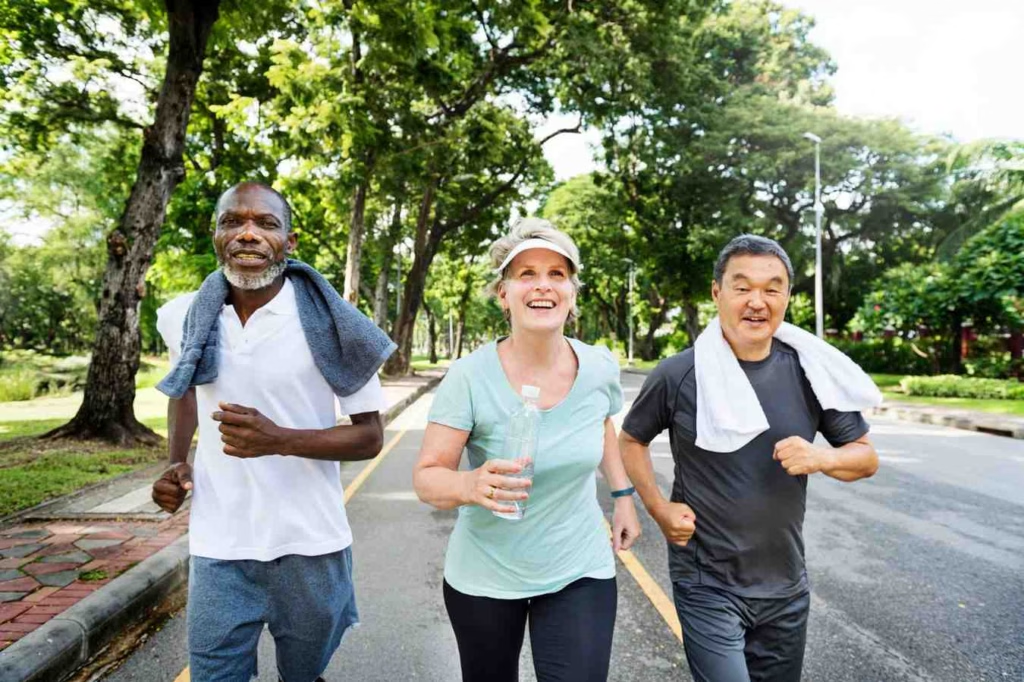
Aging is a natural part of life, but how a person ages can be very different from one individual to another. Some older adults stay strong, active, and independent well into their later years, while others develop weakness, illness, or loss of function. The difference is often not just luck. It is influenced by daily habits, lifestyle choices, medical care, and how early small problems are addressed. In elderly care, prevention is one of the most powerful tools we have. Instead of waiting for illness or decline to happen, aging well focuses on protecting the body, maintaining independence, and reducing risks before they become serious problems.
Table of Contents
- What Aging Well Really Means
- Why Prevention Matters in Older Age
- The Role of Daily Movement
- Strength and Muscle Protection
- Balance and Fall Prevention
- Nutrition and Healthy Eating
- Hydration and Its Importance
- Sleep and Recovery
- Brain Health and Mental Activity
- Social Connection and Emotional Health
- Managing Chronic Conditions
- Regular Medical Checkups
- Medication Awareness
- Home Safety and Environment
- Small Habits That Make a Big Difference
- A Word from Dr. Zara
- Frequently Asked Questions
What Aging Well Really Means
Aging well does not mean avoiding all illness or staying exactly the same as a younger person. It means maintaining the ability to live independently, move safely, and enjoy daily life as much as possible. Many older adults can still do meaningful activities, stay connected to others, and make their own decisions. The goal is not perfection, but function, comfort, and dignity.
Why Prevention Matters in Older Age
Prevention becomes more important with age because the body takes longer to recover from illness or injury. Small problems can quickly turn into bigger issues if they are ignored. Preventive care helps reduce the risk of falls, hospital stays, and long-term complications. Acting early often leads to better outcomes and less stress for both the older adult and their family.
The Role of Daily Movement
Movement is one of the most important parts of aging well. Regular activity keeps muscles strong, joints flexible, and the heart healthy. Even simple movements like walking, standing, or stretching can help maintain function. Staying active also improves mood and energy levels.
Strength and Muscle Protection
Muscle strength naturally decreases with age, but it can be slowed with regular use. Strong muscles help with standing, walking, and carrying out daily tasks. Without strength, even simple activities can become difficult. Gentle strength exercises can make a big difference over time.
Balance and Fall Prevention
Falls are a major risk for older adults and can lead to serious injuries. Good balance helps prevent falls and supports safe movement. Balance can be improved with simple exercises and practice. A safe environment also plays an important role in reducing fall risk.
Nutrition and Healthy Eating
Food provides the energy and nutrients the body needs to function properly. Older adults need a balanced diet with enough protein, vitamins, and minerals. Poor nutrition can lead to weakness, weight loss, and increased illness. Eating well supports strength, healing, and overall health.
Hydration and Its Importance
Many older adults do not drink enough water, which can lead to dehydration. Dehydration can cause confusion, dizziness, and weakness. Drinking enough fluids helps maintain energy and proper body function. Simple habits like regular water intake can prevent many problems.
Sleep and Recovery
Good sleep is essential for the body to recover and function properly. Poor sleep can affect mood, memory, and physical health. Older adults may have changes in sleep patterns, but rest is still very important. Creating a calm and regular sleep routine can help improve sleep quality.
Brain Health and Mental Activity
Keeping the mind active is just as important as physical activity. Reading, puzzles, conversations, and learning new things help maintain brain function. Mental activity supports memory, thinking, and focus. Staying engaged can also reduce feelings of loneliness.
Social Connection and Emotional Health
Social interaction plays a key role in emotional well-being. Staying connected with family, friends, or community groups helps reduce isolation. Emotional health affects physical health, so feeling supported is very important. Even small social activities can make a big difference.
Managing Chronic Conditions
Many older adults live with long-term health conditions such as diabetes or high blood pressure. Proper management helps prevent complications and keeps the condition stable. This includes taking medications correctly and following medical advice. Regular monitoring is important for early detection of changes.
Regular Medical Checkups
Routine checkups help detect problems early before they become serious. Doctors can monitor health, adjust treatments, and provide guidance. Preventive care includes screenings, vaccinations, and health reviews. Regular visits support long-term health and stability.
Medication Awareness
Older adults often take multiple medications, which can increase the risk of side effects. Understanding what each medication does is important. Regular reviews with a doctor can prevent unnecessary or harmful combinations. Safe medication use is a key part of prevention.
Home Safety and Environment
A safe home environment reduces the risk of accidents and injuries. Removing hazards like loose rugs and poor lighting can prevent falls. Simple changes can make daily life safer and easier. Safety at home supports independence.
Small Habits That Make a Big Difference
Small daily habits can have a large impact over time. Regular movement, healthy eating, and staying hydrated all add up. Consistency is more important than intensity. Simple routines can protect health and independence.
A Word from Dr. Zara
Aging well is not about avoiding every illness, but about protecting function, independence, and quality of life through daily habits and early prevention. Small, consistent actions like staying active, eating well, and keeping socially connected can make a significant difference over time. Prevention is often more powerful than treatment in elderly care. If you have any medical questions, feel free to email me at DRZARAMULLA@gmail.com.
Frequently Asked Questions
1. What does aging well mean?
It means staying as independent, active, and healthy as possible.
2. Why is prevention important?
It helps avoid serious health problems and supports long-term well-being.
3. How much exercise is needed?
Even small daily movement can help.
4. Do older adults need special diets?
They need balanced nutrition with enough protein and nutrients.
5. How can families support aging well?
Encourage healthy habits and regular medical care.