When an older adult leaves the hospital, families are often told that their loved one may need to go to “rehab” or a “nursing home.” These two terms are sometimes used in the same conversation, which can be confusing and stressful. Many families are not sure what each one means, how they are different, or which option is better.
In elderly care, the difference between rehabilitation and a nursing home is very important because each one serves a different purpose. One focuses on recovery and getting stronger, while the other focuses on long-term support and daily care. Choosing the right option depends on the person’s condition, level of independence, and long-term needs. Understanding these differences helps families make better decisions and avoid delays in recovery or unnecessary long-term placement.
Table of Contents
- What Rehabilitation Really Means
- What a Nursing Home Provides
- The Main Goal of Rehabilitation
- The Main Goal of a Nursing Home
- Length of Stay Differences
- Types of Patients in Rehabilitation
- Types of Patients in Nursing Homes
- Level of Medical Care
- Daily Routine in Rehabilitation
- Daily Routine in a Nursing Home
- Role of Physiotherapy
- Independence vs Support
- Emotional Impact on Patients
- How Doctors Decide Between the Two
- Can a Patient Move From Rehab to a Nursing Home?
- A Word from Dr. Zara
- Frequently Asked Questions
What Rehabilitation Really Means
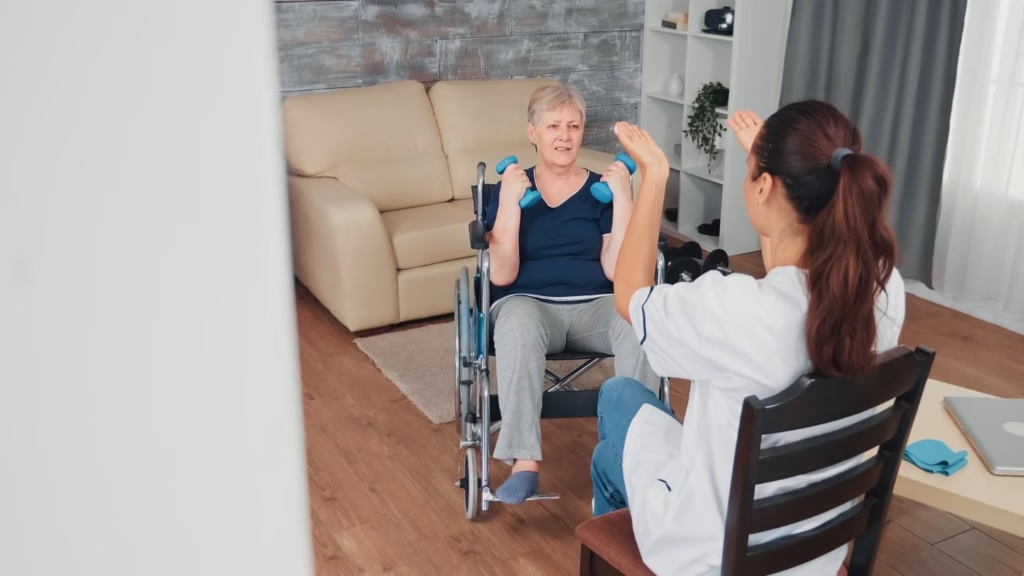
Rehabilitation, often called “rehab,” is a short-term program designed to help older adults recover strength, movement, and independence after illness or injury. It usually takes place after a hospital stay, especially after events like surgery, a fall, or a stroke. The main focus is to help the person get back to their previous level of function as much as possible. Rehab is active, structured, and goal-oriented.
What a Nursing Home Provides
A nursing home, on the other hand, is a place for long-term care. It is designed for people who cannot safely live independently due to ongoing physical or mental health needs. The focus is not on recovery, but on providing daily support, safety, and medical supervision. Residents may stay for months or even years depending on their condition.
The Main Goal of Rehabilitation
The primary goal of rehabilitation is improvement. Every activity, exercise, and therapy session is aimed at helping the patient become stronger and more independent. The team works toward clear goals, such as walking again, climbing steps, or performing daily tasks safely. Rehab is about progress and moving forward.
The Main Goal of a Nursing Home
In contrast, the main goal of a nursing home is support and stability. The focus is on maintaining comfort, safety, and quality of life. While some residents may improve slightly, the overall aim is not full recovery. Instead, it is about managing long-term needs and preventing complications.
Length of Stay Differences
Rehabilitation is usually short-term. Most patients stay for a few weeks, depending on how quickly they improve. Once they are strong enough and safe, they are discharged home. Nursing home stays are much longer and may be permanent for some residents.
Types of Patients in Rehabilitation
Patients in rehab are often those who have the potential to improve. This includes people recovering from surgery, fractures, strokes, or severe illness. They may be weak but are still able to participate in therapy and make progress. Motivation and ability to engage in exercises are important factors.
Types of Patients in Nursing Homes
Nursing home residents usually have ongoing needs that cannot be managed at home. This may include advanced dementia, severe mobility problems, or chronic medical conditions. These individuals often require help with most daily activities and constant supervision.
Level of Medical Care
Both rehab centers and nursing homes provide medical care, but the focus differs. Rehab centers often have more frequent therapy sessions and active recovery plans. Nursing homes provide consistent monitoring and support for chronic conditions. The type of care depends on the patient’s needs.
Daily Routine in Rehabilitation
A typical day in rehab includes scheduled therapy sessions, such as physiotherapy and occupational therapy. Patients may have multiple sessions each day, focusing on strength, balance, and daily tasks. The routine is active and structured to encourage progress.
Daily Routine in a Nursing Home
Life in a nursing home is more focused on daily care and comfort. Residents have routines for meals, medications, and personal care. Activities may be offered, but they are usually less intense than rehab programs. The pace is slower and more supportive.
Role of Physiotherapy
Physiotherapy plays a central role in rehabilitation. It helps patients rebuild strength, improve balance, and regain mobility. In nursing homes, physiotherapy may still be available, but it is usually less frequent and not the main focus of care.
Independence vs Support
Rehabilitation aims to increase independence. Patients are encouraged to do as much as they can on their own. Nursing homes provide more direct support because residents often cannot perform tasks independently. The level of assistance is much higher.
Emotional Impact on Patients
Rehabilitation can feel hopeful because it focuses on recovery and progress. Patients often feel motivated as they see improvements. Nursing homes can be more emotionally challenging because they may represent a permanent change in living situation. Support from family is important in both settings.
How Doctors Decide Between the Two
Doctors decide based on the patient’s condition, strength, thinking ability, and potential for recovery. If the patient can improve with therapy, rehab is usually recommended. If the patient needs ongoing care and cannot live safely at home, a nursing home may be more appropriate.
Can a Patient Move From Rehab to a Nursing Home?
Yes, this can happen. Some patients start in rehab but do not improve enough to return home safely. In these cases, they may transition to a nursing home for long-term care. This decision is based on safety and overall function.
A Word from Dr. Zara
In elderly care, understanding the difference between rehabilitation and a nursing home is essential because each serves a very different purpose. Rehabilitation is about rebuilding strength, restoring function, and giving the patient the best chance to return home safely. A nursing home, on the other hand, focuses on long-term support, safety, and managing ongoing needs when independence is no longer possible. Choosing between the two should always be based on the patient’s abilities, recovery potential, and overall health, not just convenience or pressure. Families should feel confident asking questions and understanding the goal of each option before making a decision. If you have any medical questions, feel free to email me at DRZARAMULLA@gmail.com.
Frequently Asked Questions
1. Is rehab the same as a nursing home?
No, rehab is short-term recovery, while nursing homes provide long-term care.
2. Can someone go home after rehab?
Yes, that is usually the goal.
3. Do nursing homes provide therapy?
Some do, but it is not the main focus.
4. How long does rehab last?
Usually a few weeks, depending on progress.
5. Who decides where a patient goes?
Doctors and the care team, with family input.