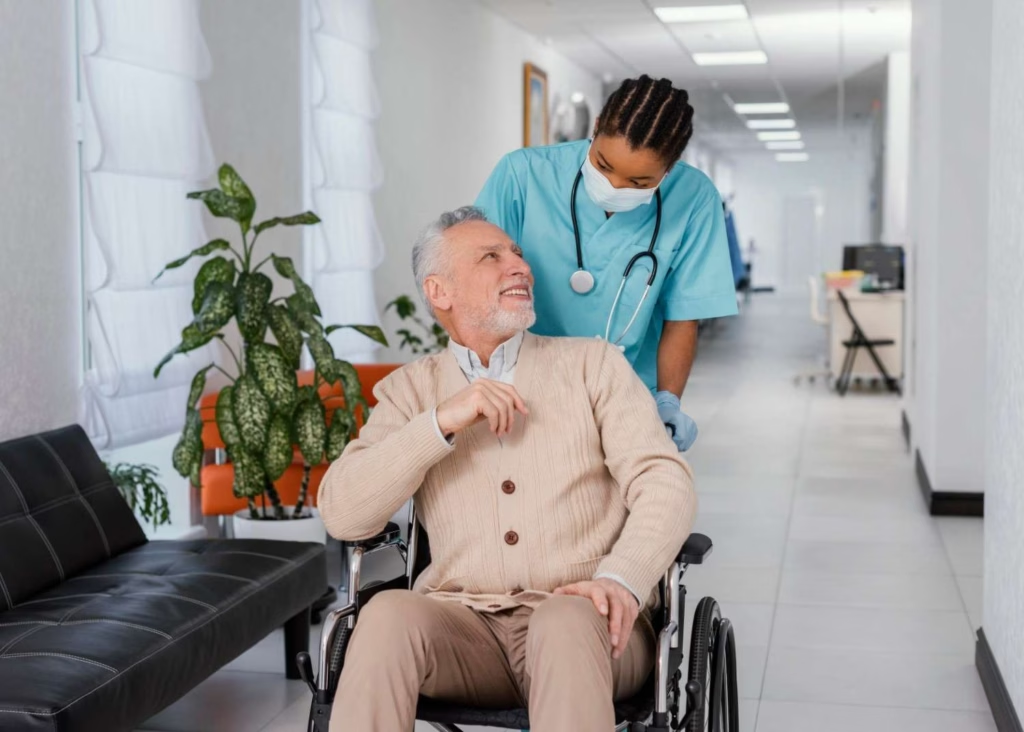
Nursing homes are often one of the most emotional and misunderstood parts of elderly care. Families may feel guilt, fear, or uncertainty when the topic comes up, and many people have strong opinions based on stories they have heard. Some believe nursing homes mean giving up, while others see them as necessary for safety and proper care. The truth is more balanced and depends on the individual situation. Nursing homes can provide important support for older adults who can no longer be safely cared for at home, but they also come with challenges that families need to understand. Knowing the reality helps families make informed, thoughtful decisions instead of reacting only from fear or pressure.
Table of Contents
- What a Nursing Home Really Is
- Why Families Consider Nursing Homes
- Common Misunderstandings About Nursing Homes
- When Home Care Is No Longer Safe
- The Level of Care Provided
- Daily Life Inside a Nursing Home
- Emotional Impact on Older Adults
- The Role of Family After Admission
- Quality Differences Between Facilities
- Costs and Financial Considerations
- Safety and Medical Support
- Risks and Challenges in Nursing Homes
- How to Choose the Right Facility
- Signs of Good Care vs Poor Care
- Alternatives to Nursing Homes
- A Word from Dr. Zara
- Frequently Asked Questions
What a Nursing Home Really Is
A nursing home is a place where older adults receive full-time care when they can no longer live safely on their own. It is designed for people who need help with daily activities such as bathing, dressing, eating, and taking medications. These facilities also provide medical supervision, which is important for people with complex health conditions. Unlike hospitals, nursing homes are meant for longer stays and ongoing care rather than short-term treatment.
Why Families Consider Nursing Homes
Families usually consider nursing homes when care at home becomes too difficult or unsafe. This may happen when the older adult has frequent falls, severe memory problems, or requires constant supervision. Sometimes family members are physically or emotionally unable to provide the level of care needed. In these situations, a nursing home may offer a safer and more structured environment.
Common Misunderstandings About Nursing Homes
Many people think nursing homes are always negative places where people are neglected or unhappy. While poor-quality facilities do exist, many nursing homes provide compassionate and professional care. Another misunderstanding is that moving to a nursing home means the family is abandoning their loved one. In reality, it often means the family is trying to provide the safest possible care.
When Home Care Is No Longer Safe
There comes a point when staying at home may become more dangerous than moving to a care facility. Repeated falls, wandering, medication errors, and inability to perform basic tasks are warning signs. Even with support, some situations become too risky. Recognizing this moment is difficult but important for protecting the older adult’s health and safety.
The Level of Care Provided
Nursing homes provide a higher level of care than most home settings can offer. Staff are available to assist with daily needs and monitor health conditions. There is usually access to nurses, and doctors may visit regularly. This level of support can be essential for older adults with complex medical needs.
Daily Life Inside a Nursing Home
Life in a nursing home is structured around routines. Residents have set times for meals, medications, and activities. Some facilities offer social programs, exercise sessions, and group activities to keep residents engaged. However, the experience can vary depending on staffing levels and the quality of care provided.
Emotional Impact on Older Adults
Moving into a nursing home can be emotionally challenging. Older adults may feel a loss of independence, sadness, or fear of change. They may miss their home, routine, and sense of control. Emotional support from family and staff plays a big role in helping them adjust.
The Role of Family After Admission
Family involvement does not end after admission to a nursing home. In fact, it becomes even more important. Regular visits, communication with staff, and monitoring care help ensure the resident’s needs are being met. Families act as advocates and provide emotional connection.
Quality Differences Between Facilities
Not all nursing homes provide the same level of care. Some have well-trained staff, good communication, and a caring environment. Others may struggle with staffing shortages or poor management. Visiting facilities, asking questions, and observing daily routines can help families choose wisely.
Costs and Financial Considerations
Nursing homes can be expensive, and costs vary depending on the level of care and location. Families often need to plan financially before making a decision. Understanding payment options, insurance coverage, and long-term affordability is essential.
Safety and Medical Support
One of the main advantages of nursing homes is the level of supervision and medical support available. Staff can respond quickly to emergencies, manage medications, and monitor health changes. This can reduce the risk of complications compared to being alone at home.
Risks and Challenges in Nursing Homes
Despite their benefits, nursing homes also have challenges. Residents may face risks such as infections, reduced mobility, or social isolation. Staffing levels can affect the quality of care. It is important for families to stay involved and address concerns early.
How to Choose the Right Facility
Choosing the right nursing home requires careful consideration. Families should visit in person, observe how staff interact with residents, and ask detailed questions. Cleanliness, communication, and staff attitude are key indicators of quality. Taking time to choose properly can make a significant difference.
Signs of Good Care vs Poor Care
Good care is shown through respectful treatment, clean surroundings, and attentive staff. Residents should appear comfortable and engaged. Poor care may show as neglect, poor hygiene, or lack of communication. Families should trust their observations and speak up if concerned.
Alternatives to Nursing Homes
Nursing homes are not the only option. Some families use home care services, assisted living facilities, or community support programs. The best choice depends on the level of care needed and available support. Exploring all options helps families make the right decision.
A Word from Dr. Zara
In elderly care, the decision to move into a nursing home is never simple, and it should never be based on guilt or pressure alone. It is about understanding the level of care a person truly needs and whether that care can be safely provided at home. A good nursing home can offer safety, medical support, and structure, but it still requires strong family involvement to ensure quality care and emotional well-being. Families should take time to ask questions, visit facilities, and understand both the benefits and limitations before making a decision. The goal is always to protect dignity, comfort, and quality of life, regardless of where care is provided. If you have any medical questions, feel free to email me at DRZARAMULLA@gmail.com.
Frequently Asked Questions
1. Are nursing homes always necessary?
No, they are needed only when home care is no longer safe or possible.
2. Do nursing homes provide medical care?
Yes, they offer supervision and support for health needs.
3. Can families still visit often?
Yes, regular visits are very important.
4. Are all nursing homes the same?
No, quality can vary widely.
5. What is the biggest benefit of a nursing home?
Safety and consistent care for complex needs.
