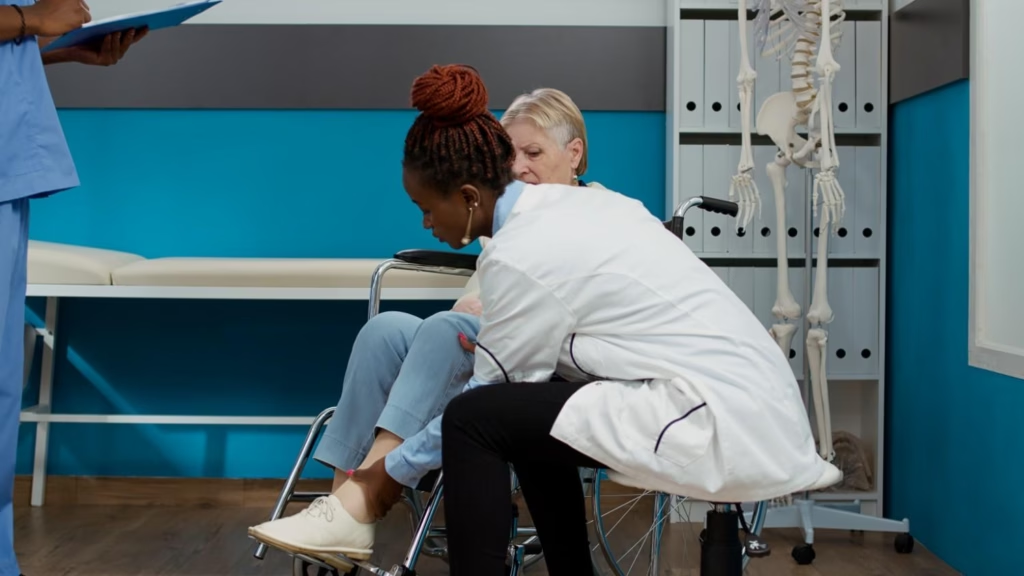
A hip fracture is one of the most serious events an older adult can experience, and what happens after it matters just as much as the injury itself. Families often focus on the fall and the broken bone, but the real journey begins afterward. Recovery is not only about healing the hip. It is about strength, movement, confidence, complications, and whether the person can return to their previous level of independence.
Many older adults never fully return to how they were before the fracture, not because the bone does not heal, but because the body becomes weaker, the mind may become confused, and daily movement becomes harder. Understanding what happens after a hip fracture helps families prepare, support recovery properly, and avoid the complications that often follow.
Table of Contents
- What a Hip Fracture Means in Older Adults
- The First Hours in Hospital
- Why Surgery Is Usually Needed
- What Happens During Surgery
- The First Few Days After Surgery
- Pain and Movement After a Hip Fracture
- Why Early Movement Is So Important
- Common Complications After a Hip Fracture
- Delirium After Surgery
- Muscle Loss and Weakness
- The Role of Physiotherapy
- Eating and Nutrition During Recovery
- Emotional Impact and Fear
- Going Home vs Going to Rehabilitation
- Long-Term Recovery and Independence
- A Word from Dr. Zara
- Frequently Asked Questions
What a Hip Fracture Means in Older Adults
A hip fracture is not just a broken bone in elderly care. It is often a sign that the body has become more fragile. Bones may be weaker, balance may be poor, and muscles may not respond quickly enough to prevent a fall. This is why doctors take hip fractures very seriously. It often marks a major change in health, mobility, and independence.
The First Hours in Hospital
When an older adult arrives at the hospital with a suspected hip fracture, the focus is on confirming the diagnosis and stabilizing the patient. Doctors perform X-rays, manage pain, and check vital signs. Blood tests are done to assess overall health. At the same time, the team looks for causes of the fall, such as infection, dehydration, or medication effects. Early care is important because delays can worsen outcomes.
Why Surgery Is Usually Needed
Most hip fractures require surgery. Without surgery, it becomes very difficult for the person to move, sit, or stand safely. Surgery helps stabilize the bone, reduce pain, and allow earlier movement. For many older adults, surgery is the safest option despite the risks, because staying in bed for long periods is far more dangerous.
What Happens During Surgery
The type of surgery depends on the fracture. Some patients receive screws or plates to hold the bone together. Others may need part or all of the hip joint replaced. The goal is to make the hip stable enough for movement as soon as possible. Surgery is usually done within 24 to 48 hours if the patient is medically stable, as early surgery improves recovery.
The First Few Days After Surgery
The first days after surgery are critical. Pain is managed carefully so the patient can begin moving. Nurses and doctors monitor for complications such as infection, bleeding, or confusion. Physiotherapists often start gentle movement very early, sometimes even the next day. These early days set the tone for recovery.
Pain and Movement After a Hip Fracture
Pain is expected, but it must be controlled properly. Too much pain stops movement, but too much medication can cause confusion or drowsiness. Doctors try to balance this carefully. Gentle movement, even sitting up or standing with support, helps reduce complications and improves healing.
Why Early Movement Is So Important
Early movement is one of the most important parts of recovery. Staying in bed leads to muscle loss, blood clots, pressure sores, and lung problems. Even small movements help keep the body active. Standing, walking a few steps, or sitting out of bed can make a huge difference in long-term recovery.
Common Complications After a Hip Fracture
Hip fractures can lead to several complications, especially in frail older adults. These complications often affect recovery more than the fracture itself.
Common complications include:
- Chest infections
- Blood clots
- Pressure sores
- Urine infections
- Delirium
- Muscle weakness
Preventing these complications is a major part of care.
Delirium After Surgery
Delirium is very common after hip fracture surgery. The stress of the injury, surgery, pain, medications, and hospital environment can affect the brain. The patient may become confused, restless, or very sleepy. Families often notice this before anyone else. Early recognition and treatment are important.
Muscle Loss and Weakness
After a hip fracture, muscles weaken quickly, especially in the legs. Even a few days of reduced movement can lead to noticeable weakness. This is why rehabilitation focuses heavily on rebuilding strength. Without this, walking becomes difficult and fall risk increases.
The Role of Physiotherapy
Physiotherapy is one of the most important parts of recovery. It helps patients regain strength, balance, and confidence. Exercises may start in bed, then progress to sitting, standing, and walking. The earlier physiotherapy begins, the better the outcome.
Eating and Nutrition During Recovery
Good nutrition is essential for healing. The body needs protein, vitamins, and energy to repair bone and rebuild muscle. Many older adults eat less after surgery due to pain, confusion, or low appetite. Families and staff should encourage regular meals and hydration to support recovery.
Emotional Impact and Fear
A hip fracture is not only physical. It can affect emotions deeply. Many older adults feel scared, frustrated, or worried about falling again. This fear can slow recovery because the person may avoid movement. Emotional support is just as important as physical treatment.
Going Home vs Going to Rehabilitation
After hospital care, some patients go home, while others go to a rehabilitation center. This decision depends on strength, safety, support at home, and overall health. Rehabilitation centers provide structured therapy, while home recovery depends more on family support and community care.
Long-Term Recovery and Independence
Recovery from a hip fracture can take months. Some older adults regain their independence, while others need ongoing support. The goal is always to help the person return to as much independence as possible. This includes safe walking, daily activities, and confidence in movement.
A Word from Dr. Zara
A hip fracture is one of the most life-changing events in elderly care, not because of the bone alone, but because of everything that follows it. Recovery depends on early surgery, safe pain control, movement, nutrition, and strong rehabilitation. Families should understand that the real goal is not just healing the fracture, but restoring independence, confidence, and function. The days and weeks after the fracture are where the biggest difference is made. If you have any medical questions, feel free to email me at DRZARAMULLA@gmail.com.
Frequently Asked Questions
1. Is a hip fracture very serious in older adults?
Yes, it can affect mobility, independence, and overall health.
2. Do all hip fractures need surgery?
Most do, because it allows earlier movement and better recovery.
3. How long does recovery take?
It can take weeks to months, depending on the person.
4. Why is walking early important?
It prevents complications and helps rebuild strength.
5. Can someone return to normal after a hip fracture?
Some do, but many need support and rehabilitation.
A hip fracture is one of the most serious events an older adult can experience, and what happens after it matters just as much as the injury itself. Families often focus on the fall and the broken bone, but the real journey begins afterward. Recovery is not only about healing the hip. It is about strength, movement, confidence, complications, and whether the person can return to their previous level of independence.
Many older adults never fully return to how they were before the fracture, not because the bone does not heal, but because the body becomes weaker, the mind may become confused, and daily movement becomes harder. Understanding what happens after a hip fracture helps families prepare, support recovery properly, and avoid the complications that often follow.
Table of Contents
- What a Hip Fracture Means in Older Adults
- The First Hours in Hospital
- Why Surgery Is Usually Needed
- What Happens During Surgery
- The First Few Days After Surgery
- Pain and Movement After a Hip Fracture
- Why Early Movement Is So Important
- Common Complications After a Hip Fracture
- Delirium After Surgery
- Muscle Loss and Weakness
- The Role of Physiotherapy
- Eating and Nutrition During Recovery
- Emotional Impact and Fear
- Going Home vs Going to Rehabilitation
- Long-Term Recovery and Independence
- A Word from Dr. Zara
- Frequently Asked Questions
What a Hip Fracture Means in Older Adults
A hip fracture is not just a broken bone in elderly care. It is often a sign that the body has become more fragile. Bones may be weaker, balance may be poor, and muscles may not respond quickly enough to prevent a fall. This is why doctors take hip fractures very seriously. It often marks a major change in health, mobility, and independence.
The First Hours in Hospital
When an older adult arrives at the hospital with a suspected hip fracture, the focus is on confirming the diagnosis and stabilizing the patient. Doctors perform X-rays, manage pain, and check vital signs. Blood tests are done to assess overall health. At the same time, the team looks for causes of the fall, such as infection, dehydration, or medication effects. Early care is important because delays can worsen outcomes.
Why Surgery Is Usually Needed
Most hip fractures require surgery. Without surgery, it becomes very difficult for the person to move, sit, or stand safely. Surgery helps stabilize the bone, reduce pain, and allow earlier movement. For many older adults, surgery is the safest option despite the risks, because staying in bed for long periods is far more dangerous.
What Happens During Surgery
The type of surgery depends on the fracture. Some patients receive screws or plates to hold the bone together. Others may need part or all of the hip joint replaced. The goal is to make the hip stable enough for movement as soon as possible. Surgery is usually done within 24 to 48 hours if the patient is medically stable, as early surgery improves recovery.
The First Few Days After Surgery
The first days after surgery are critical. Pain is managed carefully so the patient can begin moving. Nurses and doctors monitor for complications such as infection, bleeding, or confusion. Physiotherapists often start gentle movement very early, sometimes even the next day. These early days set the tone for recovery.
Pain and Movement After a Hip Fracture
Pain is expected, but it must be controlled properly. Too much pain stops movement, but too much medication can cause confusion or drowsiness. Doctors try to balance this carefully. Gentle movement, even sitting up or standing with support, helps reduce complications and improves healing.
Why Early Movement Is So Important
Early movement is one of the most important parts of recovery. Staying in bed leads to muscle loss, blood clots, pressure sores, and lung problems. Even small movements help keep the body active. Standing, walking a few steps, or sitting out of bed can make a huge difference in long-term recovery.
Common Complications After a Hip Fracture
Hip fractures can lead to several complications, especially in frail older adults. These complications often affect recovery more than the fracture itself.
Common complications include:
- Chest infections
- Blood clots
- Pressure sores
- Urine infections
- Delirium
- Muscle weakness
Preventing these complications is a major part of care.
Delirium After Surgery
Delirium is very common after hip fracture surgery. The stress of the injury, surgery, pain, medications, and hospital environment can affect the brain. The patient may become confused, restless, or very sleepy. Families often notice this before anyone else. Early recognition and treatment are important.
Muscle Loss and Weakness
After a hip fracture, muscles weaken quickly, especially in the legs. Even a few days of reduced movement can lead to noticeable weakness. This is why rehabilitation focuses heavily on rebuilding strength. Without this, walking becomes difficult and fall risk increases.
The Role of Physiotherapy
Physiotherapy is one of the most important parts of recovery. It helps patients regain strength, balance, and confidence. Exercises may start in bed, then progress to sitting, standing, and walking. The earlier physiotherapy begins, the better the outcome.
Eating and Nutrition During Recovery
Good nutrition is essential for healing. The body needs protein, vitamins, and energy to repair bone and rebuild muscle. Many older adults eat less after surgery due to pain, confusion, or low appetite. Families and staff should encourage regular meals and hydration to support recovery.
Emotional Impact and Fear
A hip fracture is not only physical. It can affect emotions deeply. Many older adults feel scared, frustrated, or worried about falling again. This fear can slow recovery because the person may avoid movement. Emotional support is just as important as physical treatment.
Going Home vs Going to Rehabilitation
After hospital care, some patients go home, while others go to a rehabilitation center. This decision depends on strength, safety, support at home, and overall health. Rehabilitation centers provide structured therapy, while home recovery depends more on family support and community care.
Long-Term Recovery and Independence
Recovery from a hip fracture can take months. Some older adults regain their independence, while others need ongoing support. The goal is always to help the person return to as much independence as possible. This includes safe walking, daily activities, and confidence in movement.
A Word from Dr. Zara
A hip fracture is one of the most life-changing events in elderly care, not because of the bone alone, but because of everything that follows it. Recovery depends on early surgery, safe pain control, movement, nutrition, and strong rehabilitation. Families should understand that the real goal is not just healing the fracture, but restoring independence, confidence, and function. The days and weeks after the fracture are where the biggest difference is made. If you have any medical questions, feel free to email me at DRZARAMULLA@gmail.com.
Frequently Asked Questions
1. Is a hip fracture very serious in older adults?
Yes, it can affect mobility, independence, and overall health.
2. Do all hip fractures need surgery?
Most do, because it allows earlier movement and better recovery.
3. How long does recovery take?
It can take weeks to months, depending on the person.
4. Why is walking early important?
It prevents complications and helps rebuild strength.
5. Can someone return to normal after a hip fracture?
Some do, but many need support and rehabilitation.