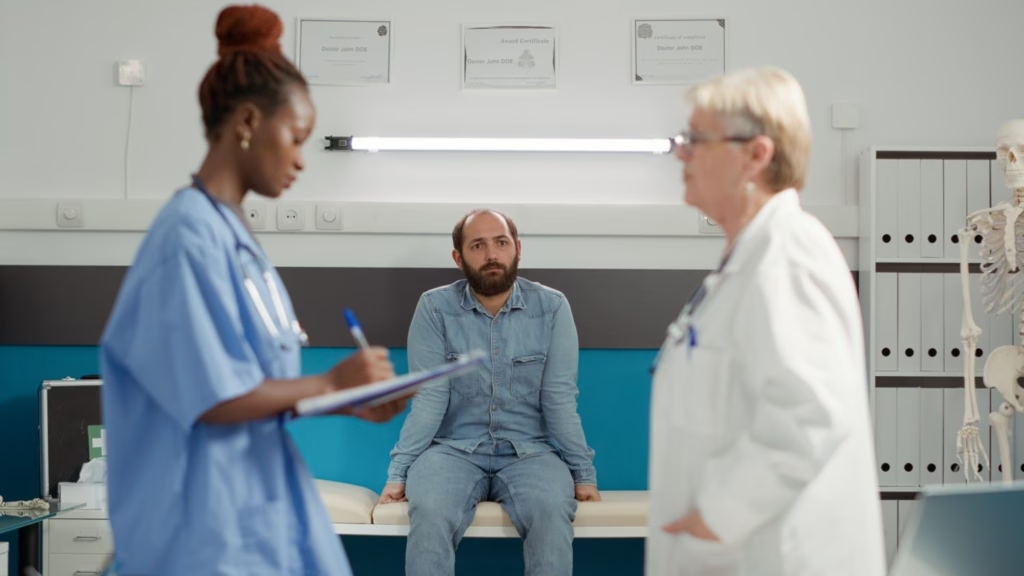
Leaving the hospital is something most older adults and their families look forward to, but the decision to go home is not as simple as it may seem. Doctors do not base discharge only on whether the illness has improved. They look at the whole person, strength, thinking, mobility, safety, support at home, medications, and risk of complications. Many families feel confused when a loved one seems “better” but is not yet allowed to go home, or when discharge happens sooner than expected. In elderly care, the goal is not just to treat the illness, but to make sure the person can live safely outside the hospital.
Sending someone home too early can lead to falls, readmission, or serious complications, while keeping them too long can cause weakness, confusion, and hospital-related decline. Understanding how doctors make this decision helps families prepare properly, ask the right questions, and support a safer recovery after discharge.
Table of Contents
- What “Medically Stable” Really Means
- Why Feeling Better Is Not Enough
- The Importance of Safe Mobility
- Thinking and Awareness After Illness
- Eating, Drinking, and Basic Needs
- Medication Safety Before Discharge
- The Role of Family and Home Support
- Home Environment and Safety Checks
- Why Some Patients Go to Rehab First
- Preventing Readmission to Hospital
- The Risk of Sending Someone Home Too Early
- Why Staying Too Long Can Also Be Harmful
- Discharge Planning as a Team Decision
- What Families Should Ask Before Going Home
- Preparing for the First Days at Home
- A Word from Dr. Zara
- Frequently Asked Questions
What “Medically Stable” Really Means
When doctors say a patient is “medically stable,” they mean that the main illness is under control and no longer requires hospital-level treatment. For example, an infection may be improving, breathing may be stable, or blood pressure may be controlled. However, being medically stable does not automatically mean the person is ready to go home. Stability is only one part of the decision.
Why Feeling Better Is Not Enough
Families often say, “They look much better, why can’t they come home?” The answer is that recovery involves more than symptoms. An older adult may feel better but still be too weak to walk safely, too confused to manage medications, or too tired to care for themselves. Doctors must make sure the person can function safely in daily life, not just that the illness is improving.
The Importance of Safe Mobility
One of the most important questions doctors ask is: Can this person move safely? This includes getting out of bed, walking to the bathroom, and moving around without falling. If a patient cannot stand or walk safely, sending them home may lead to another fall or injury. Physiotherapists often assess mobility before discharge.
Thinking and Awareness After Illness
Clear thinking is essential for safety at home. After illness or hospitalization, some older adults may remain confused or forgetful. They may not remember instructions, may misuse medications, or may become disoriented at night. Doctors assess whether the person understands their situation, recognizes their environment, and can make safe decisions.
Eating, Drinking, and Basic Needs
Doctors also look at whether the patient can eat, drink, and manage basic daily needs. Poor appetite, dehydration, or difficulty swallowing can slow recovery and increase risk after discharge. The ability to use the toilet safely, dress, and maintain hygiene also plays a role in deciding readiness to go home.
Medication Safety Before Discharge
Before discharge, doctors carefully review medications. Hospital stays often lead to changes in prescriptions, including new drugs or stopping old ones. It is important that the patient or family understands what to take, when to take it, and why. Confusion about medications is one of the most common reasons for readmission.
The Role of Family and Home Support
Support at home is one of the biggest factors in discharge decisions. A patient who lives alone without help may not be ready to go home even if they are medically stable. On the other hand, a patient with strong family support may be discharged sooner because someone is there to assist with care.
Support may include:
- Help with meals
- Assistance with walking
- Medication supervision
- Transport to follow-up visits
- Monitoring for new symptoms
Without support, even simple tasks can become unsafe.
Home Environment and Safety Checks
The home itself must be safe. Doctors and discharge teams consider whether there are stairs, poor lighting, loose rugs, or lack of bathroom support. A home that worked before illness may now be risky if the person is weaker. Small changes, like grab rails or better lighting, can make a big difference.
Why Some Patients Go to Rehab First
Not all patients go straight home. Some need time in a rehabilitation center to rebuild strength and confidence. Rehab focuses on walking, balance, and daily activities. This step can prevent long-term disability and reduce the risk of readmission.
Preventing Readmission to Hospital
One of the main goals of discharge planning is to prevent the patient from returning to hospital too soon. Readmissions are common when patients go home before they are ready or without proper support. Doctors try to reduce this risk by ensuring stability, safety, and clear follow-up plans.
The Risk of Sending Someone Home Too Early
Sending a patient home too early can lead to serious problems. They may fall, miss medications, become dehydrated, or worsen quickly. This often leads to emergency readmission, which can be more harmful than the original illness.
Why Staying Too Long Can Also Be Harmful
While early discharge has risks, staying in hospital too long also has dangers. Older adults can lose muscle strength, become more confused, and develop infections during long hospital stays. Doctors must balance the risks of leaving too early with the risks of staying too long.
Discharge Planning as a Team Decision
Discharge is not decided by one doctor alone. It involves a team, including nurses, physiotherapists, occupational therapists, and sometimes social workers. Each member assesses a different part of the patient’s readiness. Together, they decide what is safest.
What Families Should Ask Before Going Home
Families play an important role in safe discharge. Asking the right questions can prevent confusion and problems later.
Important questions include:
- Is the patient safe to walk at home?
- What help is needed daily?
- What medications have changed?
- What warning signs should we watch for?
- When is the next follow-up appointment?
Clear answers help families feel prepared.
Preparing for the First Days at Home
The first few days after discharge are critical. The patient may feel weaker than expected. It is important to keep things simple, ensure regular meals, monitor medications, and watch for warning signs. Follow-up care should be arranged before leaving the hospital.
A Word from Dr. Zara
In elderly care, discharge is one of the most important decisions we make because it determines what happens after the hospital stay ends. The focus is not only on treating the illness, but on ensuring the person can live safely outside the hospital environment. Strength, mobility, thinking, support, and home safety all matter just as much as medical stability. A well-planned discharge can protect recovery, while a rushed one can lead to setbacks and readmission. Families should always feel comfortable asking questions and understanding the plan fully before going home. If you have any medical questions, feel free to email me at DRZARAMULLA@gmail.com.
Frequently Asked Questions
1. Does feeling better mean someone can go home?
No, safety and function are also important.
2. Why do some patients go to rehab first?
To rebuild strength and reduce risks at home.
3. What is the biggest risk after discharge?
Falls, medication errors, and worsening illness.
4. Who decides when someone goes home?
A team of healthcare professionals.
5. Can families delay discharge if worried?
They can raise concerns and discuss safety with the team.