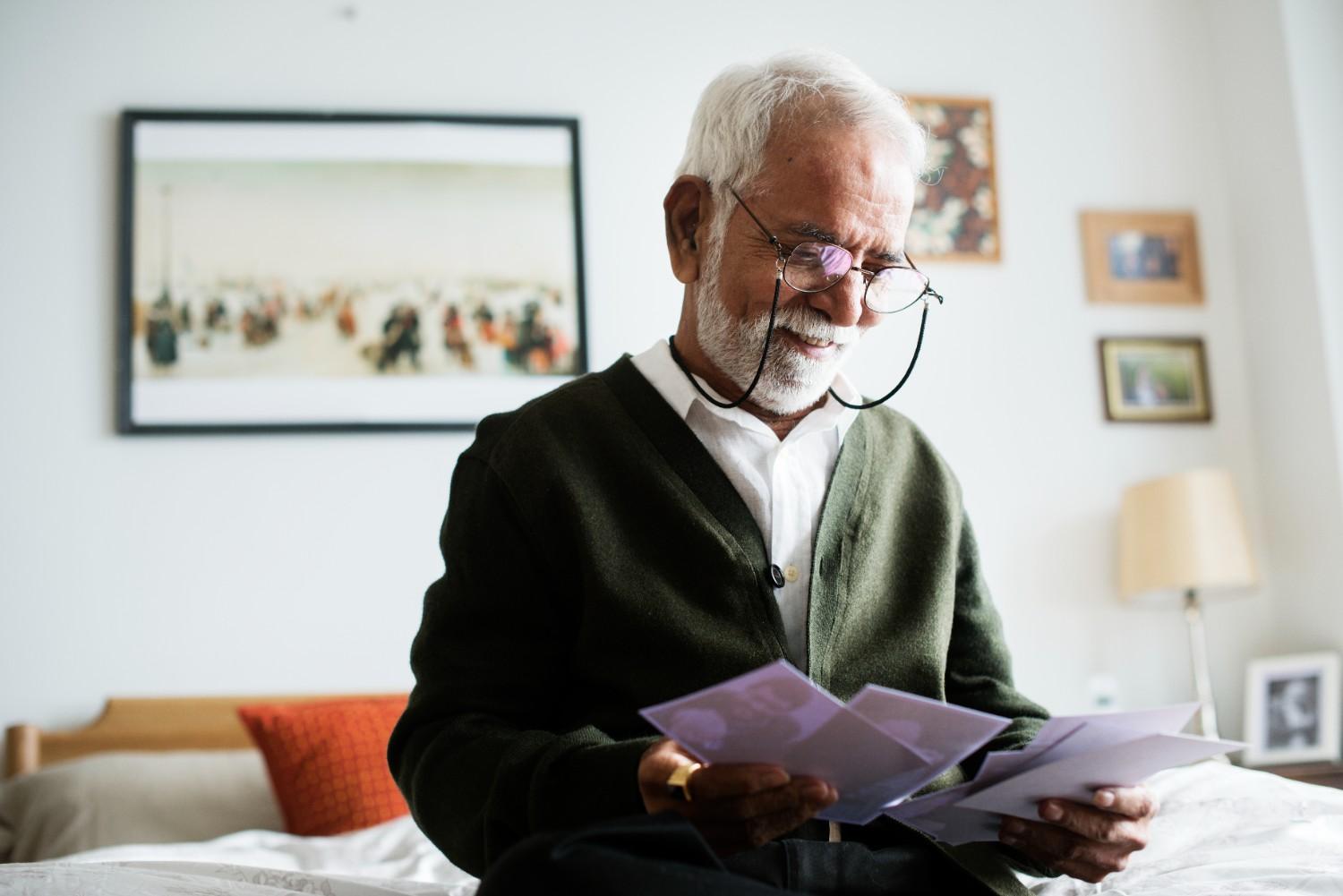
Staying independent is one of the most important goals for many older adults. Independence means being able to take care of yourself, make your own decisions, and live life on your own terms. It includes simple daily tasks like getting out of bed, bathing, dressing, cooking, and moving safely around the home. As people age, these tasks can become more difficult, but losing independence is not inevitable. With the right habits, support, and planning, many older adults can remain independent for many years. This guide explains how to protect independence, what factors affect it, and the practical steps that can help older adults stay in control of their lives.
Table of Contents
- What Independence Really Means
- Why Independence Matters So Much
- The Biggest Threats to Independence
- The Role of Strength in Daily Life
- Why Balance Is So Important
- Keeping the Mind Strong
- The Importance of Daily Movement
- Eating Well to Stay Strong
- Staying Hydrated
- Managing Health Conditions
- Preventing Falls at Home
- Keeping the Home Safe and Simple
- The Role of Social Connection
- Using Support Without Losing Independence
- Planning Ahead for the Future
- A Word from Dr. Zara
- Frequently Asked Questions
What Independence Really Means
Independence is not just about living alone or doing everything without help. It is about having the ability to manage daily life safely and confidently. It also includes being able to make decisions about your own care and lifestyle. Many older adults value independence because it gives them dignity and a sense of control.
Independence can look different for each person. For some, it means walking without assistance. For others, it may mean being able to manage medications or prepare meals. The goal is to maintain as much function as possible for as long as possible.
Why Independence Matters So Much
Independence is closely linked to quality of life. When older adults can care for themselves, they often feel more confident and happier. Losing independence can lead to frustration, sadness, and a sense of loss.
It also affects physical health. People who remain active and independent tend to stay stronger and healthier. Protecting independence helps both the body and the mind.
The Biggest Threats to Independence
There are several common factors that can reduce independence over time. These include weakness, falls, illness, and memory problems. Often, these factors are connected and can worsen each other.
Understanding these risks is important. When they are recognized early, steps can be taken to reduce their impact. Prevention is always better than trying to recover after decline.
Common threats include:
- Muscle weakness
- Poor balance and falls
- Chronic illnesses
- Memory or thinking problems
- Poor nutrition
- Social isolation
The Role of Strength in Daily Life
Strength is essential for independence. It allows older adults to stand, walk, carry items, and perform everyday tasks. Without strength, even simple activities become difficult.
Strength can be maintained with regular movement. Exercises like standing up from a chair or lifting light objects help keep muscles active. Even small efforts can make a big difference over time.
Why Balance Is So Important
Balance helps prevent falls and keeps movement safe. Poor balance can lead to accidents that may result in serious injury. After a fall, many older adults lose confidence, which can further reduce independence.
Improving balance is possible with practice. Simple exercises and safe movement can strengthen stability. Balance training is one of the most effective ways to protect independence.
Keeping the Mind Strong
Mental strength is just as important as physical strength. Memory, focus, and decision-making skills all support independence. When these abilities decline, daily life becomes more challenging.
Keeping the mind active helps maintain these skills. Reading, talking with others, and solving simple problems can help keep the brain engaged. Mental activity supports overall independence.
The Importance of Daily Movement
Daily movement keeps the body active and prevents stiffness. Long periods of sitting can lead to weakness and reduced mobility. Moving regularly helps maintain function.
Movement does not need to be intense. Simple activities like walking or stretching are enough. The key is to avoid staying still for too long.
Simple daily movements include:
- Walking around the house
- Standing up and sitting down
- Light stretching
- Gentle arm and leg movements
Eating Well to Stay Strong
Good nutrition supports strength, energy, and overall health. Older adults need balanced meals that include protein, fruits, and vegetables. Eating well helps maintain muscle and prevents weakness.
Poor nutrition can lead to weight loss and fatigue. This can quickly reduce independence. Regular meals are an important part of daily care.
Staying Hydrated
Drinking enough water is essential. Dehydration can cause dizziness, confusion, and weakness. These symptoms increase the risk of falls and illness.
Older adults may not always feel thirsty, so regular drinking is important. Staying hydrated supports both physical and mental function.
Managing Health Conditions
Many older adults live with chronic health conditions. Managing these conditions properly helps prevent complications. Regular medical care is important.
Ignoring symptoms can lead to sudden decline. Taking medications correctly and attending checkups supports stability. Good management protects independence.
Preventing Falls at Home
Falls are one of the biggest threats to independence. Preventing them should be a priority. Safe movement and a secure environment reduce risk.
Making small changes in the home can prevent accidents. Awareness and preparation are key.
Fall prevention tips include:
- Keeping floors clear of clutter
- Using non-slip mats
- Installing grab bars in bathrooms
- Ensuring good lighting
Keeping the Home Safe and Simple
A safe and organized home supports independence. Clutter and hazards make movement difficult and unsafe. Simplifying the living space helps reduce risk.
Clear pathways and easy access to important items make daily tasks easier. A well-arranged home allows older adults to move with confidence.
The Role of Social Connection
Social interaction supports mental and emotional health. Staying connected with family and friends reduces loneliness. It also encourages activity and engagement.
Isolation can lead to decline. Regular contact with others helps maintain independence. Social support is an important part of healthy aging.
Using Support Without Losing Independence
Using support does not mean losing independence. Tools like walking aids or help from family can improve safety. They allow older adults to continue doing many activities.
Accepting help when needed is a sign of strength, not weakness. The goal is to maintain function safely. Support can extend independence, not reduce it.
Planning Ahead for the Future
Planning ahead helps avoid sudden changes. Thinking about future needs allows older adults and families to prepare. This can include home adjustments or care planning.
Early planning reduces stress and confusion later. It ensures that choices are made thoughtfully. Preparation supports long-term independence.
A Word from Dr. Zara
Independence is not something that disappears suddenly. It is shaped by daily habits, strength, balance, and good decision-making over time. Protecting it requires small but consistent actions like staying active, eating well, and keeping the environment safe. Accepting support when needed can actually extend independence rather than take it away. The earlier we focus on these steps, the better the outcome for long-term quality of life. If you have any medical questions, feel free to email me at DRZARAMULLA@gmail.com.
Frequently Asked Questions
1. Can independence be maintained in old age?
Yes, with proper care and healthy habits, many older adults remain independent.
2. What is the most important factor?
Strength and balance are very important.
3. Does using a walking aid reduce independence?
No, it helps improve safety and maintain function.
4. How can families help?
They can support safe habits and encourage activity.
5. When should planning begin?
Planning should start early before problems arise.