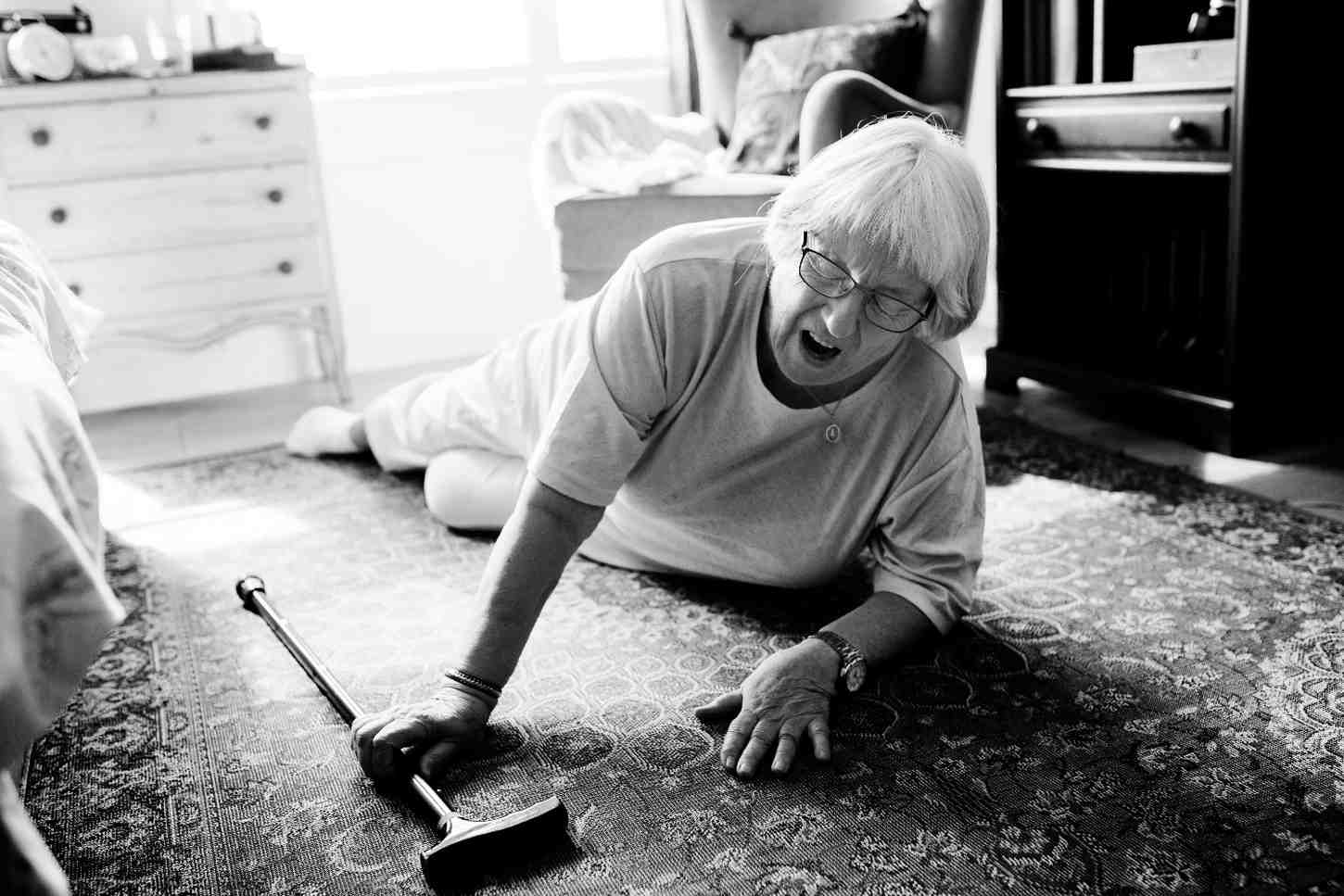
Falls are one of the biggest dangers for older adults, and many of them happen right at home. A fall may seem like a small accident, but it can lead to serious injuries such as broken bones, hospital stays, and loss of independence. After a fall, many older adults also become afraid to move, which can make them weaker and increase the risk of falling again. The good news is that many falls can be prevented with simple changes and daily habits. Preventing falls is not about being afraid of movement. It is about making the home safer, keeping the body strong, and building confidence. When safety and strength come together, older adults can continue to live independently and move with confidence.
Table of Contents
- Why Falls Are So Common in Older Adults
- The Serious Impact of a Fall
- Understanding Fall Risk Factors
- The Role of Muscle Weakness
- Balance Problems and Stability
- Poor Vision and Lighting
- Unsafe Home Environments
- The Danger of Slippery Floors
- Importance of Proper Footwear
- Medication Side Effects
- The Role of Assistive Devices
- Simple Home Safety Changes
- Daily Habits That Prevent Falls
- Building Confidence After a Fall
- When to Seek Medical Advice
- A Word from Dr. Zara
- Frequently Asked Questions
Why Falls Are So Common in Older Adults
Falls become more common with age because the body changes over time. Muscles become weaker, reflexes slow down, and balance becomes less steady. These changes make it easier to lose stability during everyday movements. Even small trips or slips can lead to a fall.
Older adults may also have health conditions that affect movement. Problems like joint pain, dizziness, or poor vision increase the risk. Understanding why falls happen is the first step in preventing them.
The Serious Impact of a Fall
A fall can have serious consequences for older adults. Injuries such as hip fractures or head injuries can require hospital care and long recovery. Some people may never fully return to their previous level of independence.
Falls also affect confidence. After falling, many older adults become afraid to move. This fear can lead to less activity, which causes further weakness and increases the risk of another fall.
Understanding Fall Risk Factors
There are many factors that increase the risk of falling. These include physical weakness, balance problems, poor vision, and unsafe surroundings. Often, more than one factor is present at the same time.
Identifying these risks helps families and caregivers take action. Preventing falls is easier when the causes are clearly understood. Awareness leads to better safety.
The Role of Muscle Weakness
Weak muscles make it harder to stay steady and react quickly. Strength is needed for standing, walking, and correcting balance. Without strength, even small movements can become unsafe.
Regular activity helps maintain muscle strength. Simple exercises like standing from a chair or walking can improve stability. Strong muscles are a key part of fall prevention.
Balance Problems and Stability
Balance is essential for safe movement. As people age, balance can become less reliable. This makes it easier to lose control and fall.
Balance can be improved with practice. Simple exercises and safe movement help train the body. Better balance reduces the risk of falling.
Poor Vision and Lighting
Vision plays an important role in safety. Poor eyesight makes it harder to see obstacles, steps, or uneven surfaces. This increases the chance of tripping.
Good lighting in the home is also important. Dark areas make it difficult to move safely. Bright, clear lighting helps prevent accidents.
Unsafe Home Environments
The home should be a safe place, but it can also contain hidden risks. Loose rugs, clutter, and uneven floors can cause trips and falls. These hazards are often overlooked.
Making the home safer reduces these risks. Simple changes can prevent serious accidents. A safe environment supports independence.
The Danger of Slippery Floors
Slippery floors are a common cause of falls. Wet surfaces in bathrooms or kitchens can be especially dangerous. Smooth flooring without grip increases the risk.
Using non-slip mats and keeping floors dry helps improve safety. Simple precautions can prevent many falls. Awareness is key.
Importance of Proper Footwear
Shoes play a big role in stability. Loose or slippery footwear can increase the risk of falling. Proper shoes provide support and grip.
Older adults should wear comfortable, well-fitting shoes with non-slip soles. Walking barefoot on smooth surfaces can also be risky. Good footwear supports safe movement.
Medication Side Effects
Some medications can cause dizziness, drowsiness, or low blood pressure. These side effects increase the risk of falls. Taking multiple medications can make this risk higher.
Regular medication reviews are important. Doctors can adjust treatments if needed. Safe medication use supports overall stability.
The Role of Assistive Devices
Assistive devices like canes or walkers can improve safety. They provide support and help maintain balance. Using them correctly reduces fall risk.
Some people avoid using these devices because they feel embarrassed. However, they are important tools for safety. Proper use can prevent serious injuries.
Simple Home Safety Changes
Small changes in the home can make a big difference. Removing loose rugs, adding grab bars, and improving lighting all help reduce risk. These changes are simple but effective.
Organizing the home to reduce clutter also improves safety. Clear pathways make movement easier. A safer home supports independence.
Daily Habits That Prevent Falls
Daily habits play a strong role in fall prevention. Staying active helps maintain strength and balance. Moving regularly prevents stiffness and weakness.
Taking time when standing up or walking also helps. Rushing increases the chance of losing balance. Slow and careful movement improves safety.
Building Confidence After a Fall
After a fall, fear is common. This fear can stop older adults from moving, which leads to weakness. Rebuilding confidence is important.
Starting with small, safe movements helps regain trust in the body. Support from family also makes a difference. Confidence improves with practice.
When to Seek Medical Advice
If an older adult falls often or feels unsteady, medical advice should be sought. There may be an underlying problem that needs attention. Early action can prevent further falls.
Symptoms like dizziness, weakness, or confusion should not be ignored. A doctor can assess the situation and provide guidance. Safety comes first.
A Word from Dr. Zara
Falls are not just accidents. They are often a sign that something in the body or environment needs attention. By improving strength, balance, and home safety, many falls can be prevented. Simple changes can protect independence and confidence. If you have any medical questions, feel free to email me at DRZARAMULLA@gmail.com.
Frequently Asked Questions
1. Why are falls dangerous for older adults?
They can cause serious injuries and loss of independence.
2. Can falls be prevented?
Yes, many falls can be avoided with simple changes.
3. What is the biggest risk factor?
Weakness and poor balance are major factors.
4. Should older adults use walking aids?
Yes, if needed for safety and support.
5. When should a doctor be consulted?
If falls are frequent or there is dizziness or weakness.