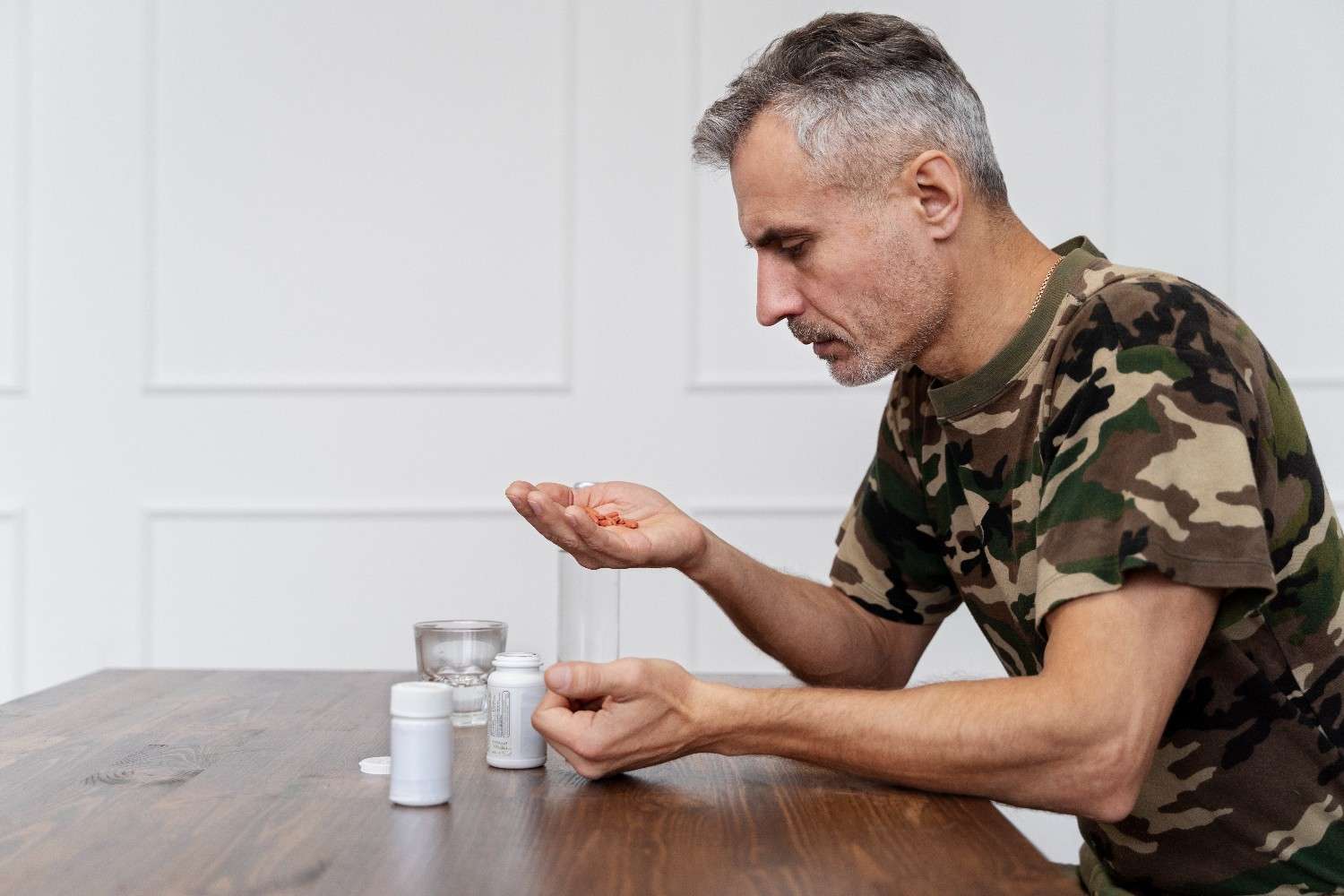
Statins are some of the most commonly prescribed medications in the world. They are used to lower cholesterol and reduce the risk of heart attacks and strokes. Many adults begin taking statins in middle age and continue them for decades. However, as people grow older, especially after the age of 80, an important question often comes up: do statins still help, or do the risks begin to outweigh the benefits? This is a common concern for older adults, families, and doctors alike.
The answer is not always simple because aging changes the body, overall health, and medical priorities. Some older adults remain strong, active, and independent well into their 80s and beyond. Others become frail, develop memory problems, or live with multiple chronic illnesses. In these situations, the role of long-term medications like statins may change. Doctors must carefully consider life expectancy, quality of life, medication side effects, and personal goals of care. While statins can reduce cardiovascular risk in some older adults, they may also contribute to muscle pain, weakness, medication burden, or interactions with other drugs.
Understanding whether statins are still beneficial after age 80 requires an individualized approach. This guide explains what statins do, how aging changes medication decisions, the possible benefits and risks of statins in elderly adults, and how doctors decide whether to continue, adjust, or stop treatment.
Table of Contents
- What Statins Are
- Why Cholesterol Matters
- How Statins Work
- Why Statins Are Common in Older Adults
- Aging and Changes in Health Priorities
- Primary Prevention vs Secondary Prevention
- Do Statins Prevent Heart Attacks After 80?
- The Possible Benefits of Continuing Statins
- Muscle Pain and Weakness
- Medication Burden in Older Adults
- Statins and Memory Concerns
- Drug Interactions and Side Effects
- Frailty and Functional Decline
- When Doctors Consider Stopping Statins
- The Importance of Individualized Care
- Questions Older Adults Should Ask
- Lifestyle Factors That Still Matter
- A Word from Dr. Zara
- Frequently Asked Questions
What Statins Are
Statins are medications used to lower cholesterol levels in the blood. High cholesterol can contribute to plaque buildup in blood vessels, increasing the risk of heart disease and stroke.
These medications are commonly prescribed for:
- High cholesterol
- Previous heart attack
- Stroke prevention
- Diabetes with cardiovascular risk
Statins have been used for many years and are an important part of heart disease prevention.
Why Cholesterol Matters
Cholesterol is a fatty substance found in the blood. While the body needs some cholesterol, too much can cause plaque buildup inside arteries.
Over time, narrowed arteries can reduce blood flow and increase the risk of:
- Heart attack
- Stroke
- Circulation problems
Managing cholesterol helps protect blood vessels and heart health.
How Statins Work
Statins reduce the amount of cholesterol produced by the liver. They also help stabilize plaque inside blood vessels, lowering the chance of blockages.
By reducing cholesterol levels, statins may decrease the risk of major cardiovascular events.
Common statin medications include:
- Atorvastatin
- Simvastatin
- Rosuvastatin
These medications are usually taken daily.
Why Statins Are Common in Older Adults
Many older adults have a history of high cholesterol, heart disease, or stroke. Because cardiovascular disease becomes more common with age, statins are frequently prescribed.
Some people begin statins in middle age and continue them for decades. Others start treatment later because of new heart-related conditions.
The goal is often to reduce future cardiovascular risk.
Aging and Changes in Health Priorities
As people age, healthcare goals sometimes shift. In younger adults, prevention of future disease may be the main focus. In older adults, quality of life and maintaining independence may become more important.
A healthy and active 82-year-old may still benefit from preventive medications. However, a frail person with serious illness may not gain the same benefit.
Doctors must therefore consider:
- Overall health
- Frailty
- Life expectancy
- Functional ability
- Medication side effects
Treatment decisions become more individualized with age.
Primary Prevention vs Secondary Prevention
Statin use is often divided into two groups: primary prevention and secondary prevention.
Primary prevention means preventing the first heart attack or stroke. Secondary prevention means preventing another event in someone who already has heart disease or stroke history.
This difference is important because:
- Secondary prevention often has clearer benefits
- Primary prevention after 80 may be less certain
Doctors consider these categories carefully when making decisions.
Do Statins Prevent Heart Attacks After 80?
Research suggests statins may still reduce cardiovascular risk in some adults over 80, especially those who are otherwise healthy and have existing heart disease.
However, the benefits may take years to appear. Some older adults may not live long enough to experience these long-term benefits, particularly if they have severe frailty or advanced illness.
This is why treatment decisions must be personalized rather than automatic.
The Possible Benefits of Continuing Statins
For certain older adults, statins may continue to provide meaningful protection against heart attack and stroke.
Potential benefits include:
- Reduced cardiovascular events
- Lower stroke risk
- Protection for people with known heart disease
Healthy older adults with good functional status may benefit the most.
Muscle Pain and Weakness
One of the most common side effects of statins is muscle pain or weakness. Older adults are more sensitive to this problem.
Muscle weakness can affect:
- Walking ability
- Balance
- Physical activity
- Independence
In frail older adults, even mild weakness can increase fall risk and mobility problems.
Medication Burden in Older Adults
Many older adults take multiple medications every day. Adding more medications increases complexity and the risk of side effects or drug interactions.
Medication burden can lead to:
- Confusion
- Missed doses
- Fatigue from complicated schedules
Reducing unnecessary medications is an important part of elderly care.
Statins and Memory Concerns
Some people worry that statins may affect memory or thinking. Research on this issue is mixed, and clear evidence is still limited.
However, any new cognitive symptoms should be discussed with a doctor. Older adults are often more sensitive to medication effects.
Memory concerns should always be evaluated carefully rather than ignored.
Drug Interactions and Side Effects
Statins may interact with other medications, especially in older adults taking several drugs.
Possible side effects include:
- Muscle aches
- Weakness
- Liver problems
- Digestive symptoms
The risk of side effects increases when multiple medications are combined.
Frailty and Functional Decline
Frailty changes the balance between risks and benefits of many medications, including statins. Frail older adults are more vulnerable to weakness, falls, and medication side effects.
In some situations, preventing future cardiovascular events may become less important than maintaining comfort and daily function.
This does not mean care is being reduced. It means treatment is being adjusted to match the person’s overall condition.
When Doctors Consider Stopping Statins
Doctors may consider stopping statins in certain situations, especially when risks outweigh benefits.
Possible reasons include:
- Severe frailty
- Limited life expectancy
- Significant side effects
- Difficulty managing medications
Stopping a medication should always involve medical guidance and discussion.
The Importance of Individualized Care
There is no single rule for everyone over 80. Some older adults benefit from continuing statins, while others may not.
The best decision depends on:
- Health status
- Heart disease history
- Mobility and independence
- Personal preferences
Individualized care is one of the most important principles in geriatric medicine.
Questions Older Adults Should Ask
Older adults and families should feel comfortable discussing medications openly with healthcare providers.
Helpful questions include:
- Is this medication still helping me?
- What are the risks of continuing it?
- Could it be contributing to weakness or fatigue?
- Are there safer alternatives?
Open discussion improves decision-making.
Lifestyle Factors That Still Matter
Even in older age, healthy lifestyle habits continue to support heart health. Medications are only one part of care.
Important habits include:
- Staying physically active
- Eating a balanced diet
- Managing stress
- Avoiding smoking
Healthy habits support overall well-being at every age.
A Word from Dr. Zara
Statins can still provide benefits for some adults over 80, especially those with existing heart disease and good overall health. However, aging changes the balance between prevention, side effects, and quality of life. In frail older adults, medication burden, weakness, and functional decline may become more important considerations than long-term cholesterol reduction. Decisions about continuing or stopping statins should always be individualized and based on the person’s overall health, goals, and preferences. If you have any medical questions, feel free to email me at DRZARAMULLA@gmail.com.
Frequently Asked Questions
1. Do statins still work after age 80?
Yes, they may still help some older adults, especially those with heart disease.
2. Can statins cause muscle weakness?
Yes, muscle pain and weakness are common side effects.
3. Should every older adult stay on statins forever?
No, treatment decisions should be individualized.
4. Are statins dangerous in older adults?
They can increase side effects and medication burden in some people.
5. Should a doctor be consulted before stopping statins?
Yes, statins should never be stopped without medical guidance.