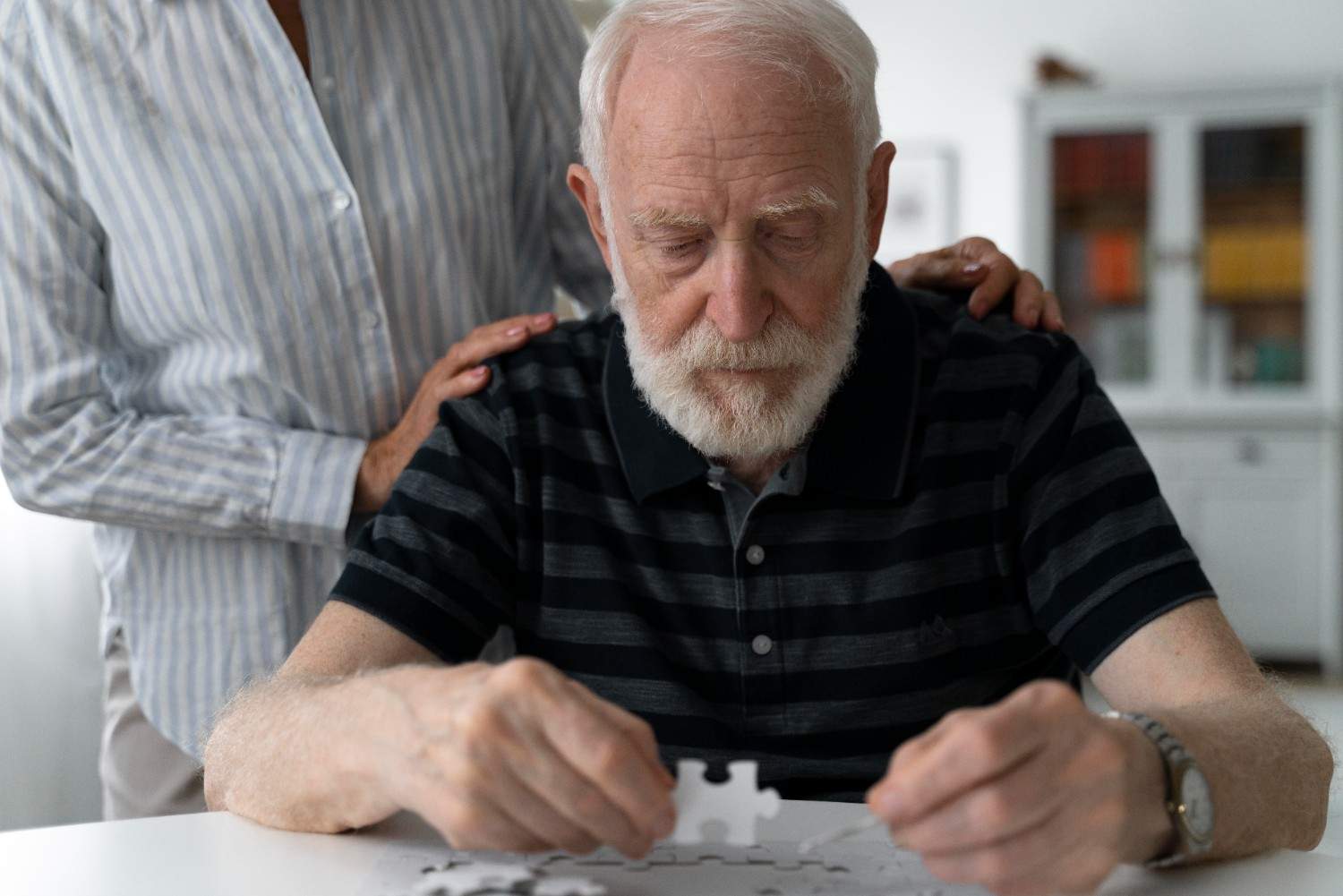
Dementia affects memory, thinking, behavior, and daily functioning. As the condition progresses, some older adults may develop symptoms such as aggression, agitation, hallucinations, severe anxiety, wandering, or confusion that becomes difficult for families and caregivers to manage. These behaviors can be emotionally exhausting and sometimes dangerous, especially when the person becomes aggressive or unable to sleep for long periods. Because of these challenges, doctors may sometimes prescribe medications called antipsychotics.
Antipsychotic medications were originally designed to treat serious mental health conditions such as schizophrenia, but they are also sometimes used in dementia care to help manage severe behavioral symptoms. However, these medications carry significant risks in older adults, especially those living with dementia. Research has shown that antipsychotics may increase the risk of stroke, falls, excessive sedation, pneumonia, worsening confusion, and even death in elderly dementia patients. This is why their use has become one of the most debated topics in geriatric medicine.
Families are often frightened when they hear a doctor mention antipsychotic medication. Some worry the medication will “knock out” their loved one, while others believe it is the only way to control difficult behavior. The truth is more complex. In certain severe situations, antipsychotics may help reduce dangerous symptoms and improve safety, but they should never be used casually or as a substitute for proper caregiving and evaluation. Doctors must carefully balance potential benefits against very real risks. This guide explains what antipsychotics are, why they are sometimes used in dementia care, the dangers associated with them, safer alternatives, and the important questions families should ask before treatment begins.
Table of Contents
- What Dementia Is
- Why Behavioral Symptoms Happen in Dementia
- What Antipsychotic Medications Are
- Why Antipsychotics Are Used in Dementia Care
- The Major Risks of Antipsychotics in Older Adults
- Sedation, Falls, and Physical Decline
- Stroke and Increased Mortality Risk
- Confusion and Loss of Function
- When Antipsychotics May Be Necessary
- Safer Alternatives Before Medication
- Questions Families Should Ask Doctors
- A Word from Dr. Zara
- Most Asked Questions
What Dementia Is
Dementia is not a single disease. It is a condition that affects memory, thinking, judgment, communication, and daily functioning. Alzheimer’s disease is the most common form, but there are several types of dementia.
As dementia progresses, the brain changes make it harder for a person to understand their surroundings or communicate clearly. This often leads to frustration, fear, confusion, and behavioral changes.
Common dementia symptoms include:
- Memory loss
- Confusion
- Wandering
- Agitation
- Personality changes
- Difficulty recognizing family members
Behavioral symptoms are often one of the hardest parts of dementia care for families.
Why Behavioral Symptoms Happen in Dementia
Behavior changes in dementia are usually not intentional. Many older adults with dementia become agitated or aggressive because they are confused, frightened, overstimulated, uncomfortable, or unable to communicate needs properly.
A person with dementia may react strongly because of:
- Pain
- Hunger
- Fear
- Infection
- Poor sleep
- Changes in routine
Sometimes behaviors become worse in the evening, a pattern often called “sundowning.”
Understanding the cause of behavior is very important because medication alone may not solve the problem.
What Antipsychotic Medications Are
Antipsychotics are medications designed to affect brain chemicals linked to mood, behavior, and perception. They were originally developed to treat psychiatric conditions such as schizophrenia and severe psychosis.
Common antipsychotics sometimes used in dementia care include:
- Risperidone
- Quetiapine
- Olanzapine
- Haloperidol
These medications may reduce severe agitation, hallucinations, or aggression in certain situations.
Why Antipsychotics Are Used in Dementia Care
Doctors may consider antipsychotics when behavioral symptoms become dangerous or extremely distressing. This may happen if the person:
- Becomes physically aggressive
- Tries to harm themselves or others
- Experiences severe hallucinations
- Cannot sleep for long periods
- Becomes impossible to redirect safely
In some situations, severe agitation can place both the patient and caregivers at risk. Antipsychotics may sometimes reduce distress enough to improve safety and caregiving.
However, these medications should only be considered after other possible causes of behavior are evaluated carefully.
The Major Risks of Antipsychotics in Older Adults
Antipsychotics carry serious risks in elderly adults with dementia. Research has shown increased rates of:
- Stroke
- Pneumonia
- Falls
- Excessive sedation
- Sudden decline
These medications affect the brain and nervous system strongly, and older adults are especially sensitive to their effects.
Because of these risks, antipsychotics are generally used only when symptoms are severe and other approaches have failed.
Sedation, Falls, and Physical Decline
One of the most common side effects of antipsychotics is sedation. Older adults may become sleepy, weak, or less physically active after starting these medications.
This can lead to:
- Falls
- Reduced walking ability
- Loss of independence
- Muscle weakness
- Increased frailty
Sometimes families notice the person becoming “less themselves” after starting treatment.
Doctors try to use the lowest effective dose for the shortest possible time.
Stroke and Increased Mortality Risk
Studies have shown that antipsychotics may increase the risk of stroke and death in older adults with dementia. This is one of the biggest concerns surrounding these medications.
The exact reason for this increased risk is not fully understood, but the risk is considered serious enough that healthcare providers use these medications very cautiously.
This does not mean antipsychotics are never appropriate. It means the risks and benefits must always be weighed carefully.
Confusion and Loss of Function
Antipsychotics may sometimes worsen confusion instead of improving it. Some older adults become less alert, less interactive, or more disoriented.
Possible effects include:
- Increased confusion
- Reduced communication
- Slower thinking
- Reduced participation in daily activities
Families should monitor closely for changes after treatment begins.
When Antipsychotics May Be Necessary
Despite the risks, there are situations where antipsychotics may help improve safety and quality of life. Severe aggression, terrifying hallucinations, or dangerous agitation may require medication support.
Doctors may consider antipsychotics if:
- The person poses danger to themselves or others
- Non-medication approaches have failed
- Symptoms are causing extreme distress
Even then, treatment should be reviewed regularly and adjusted carefully.
Safer Alternatives Before Medication
Before starting antipsychotics, doctors usually try to identify triggers for the behavior. Many symptoms improve when the underlying cause is treated.
Helpful non-medication approaches include:
- Maintaining consistent routines
- Reducing noise and overstimulation
- Treating pain or infection
- Improving sleep
- Providing reassurance and calm communication
Caregiver education and environmental adjustments are extremely important in dementia care.
Questions Families Should Ask Doctors
Families should feel comfortable discussing antipsychotic treatment openly with healthcare providers.
Important questions include:
- Why is this medication being recommended?
- What symptoms is it treating?
- What are the risks?
- Are there safer alternatives?
- How long will treatment continue?
Open communication helps families make informed decisions.
A Word from Dr. Zara
Antipsychotic medications in dementia care should always be approached with caution and careful medical judgment. While these medications may sometimes reduce severe agitation, aggression, or hallucinations, they also carry serious risks including falls, sedation, stroke, and worsening confusion. In many cases, behavioral symptoms improve more safely through identifying triggers, treating discomfort, and improving the caregiving environment. When antipsychotics are necessary, they should be used at the lowest effective dose with close monitoring and regular review. The goal must always be safety, dignity, comfort, and quality of life for the older adult. If you have any medical questions, feel free to email me at DRZARAMULLA@gmail.com.
Most Asked Questions
1. Are antipsychotics safe for dementia patients?
They carry significant risks and should be used carefully and only when truly necessary.
2. Why do dementia patients become aggressive or agitated?
Confusion, fear, pain, poor sleep, infections, or overstimulation may contribute.
3. Can antipsychotics increase fall risk?
Yes, they often cause sedation, weakness, and balance problems.
4. Do antipsychotics cure dementia?
No, they only help manage certain behavioral symptoms.
5. Should non-medication approaches be tried first?
Yes, doctors usually recommend safer behavioral and environmental strategies before medication.