September 2026

Antipsychotics in Dementia: Risks Explained

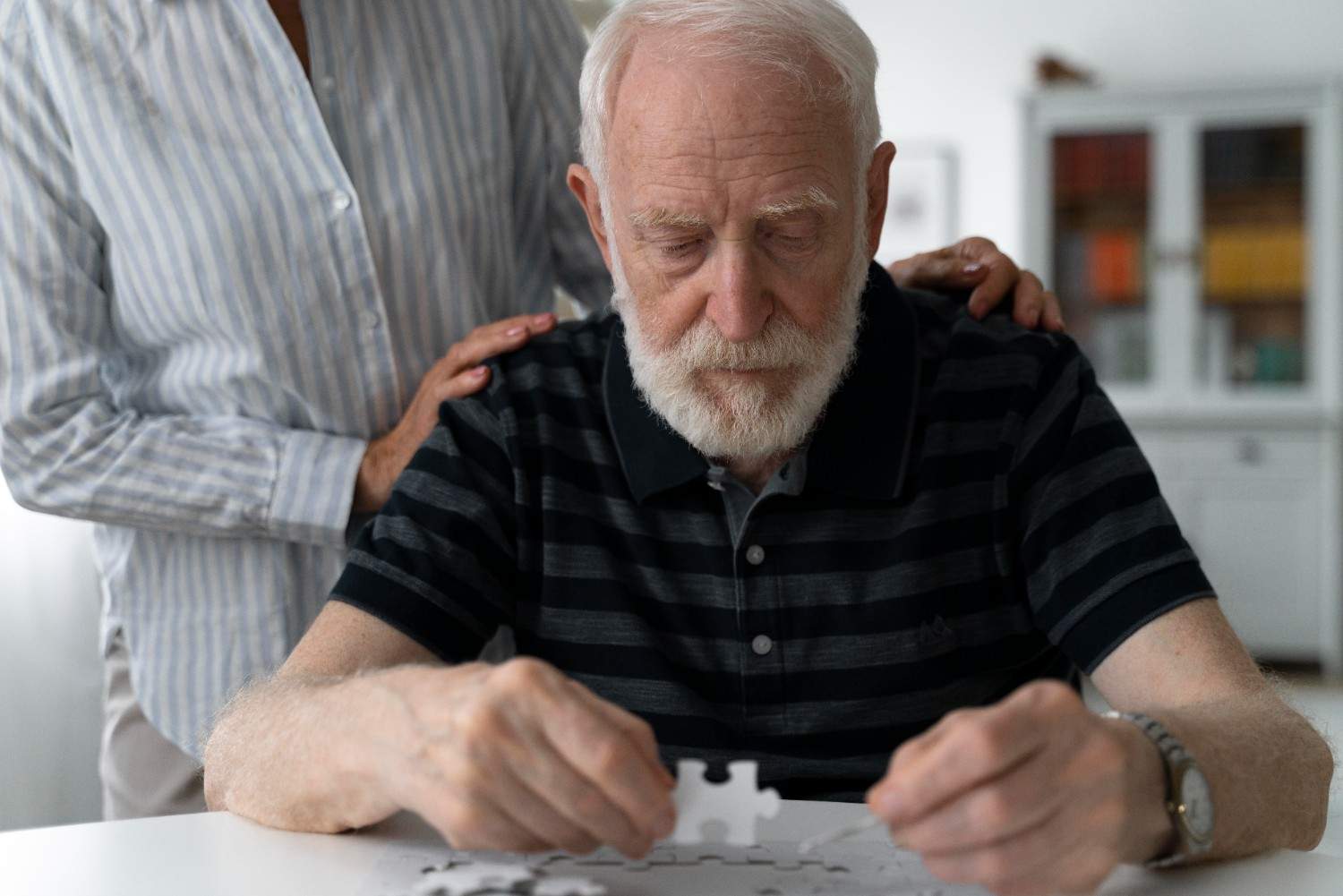
Dementia affects memory, thinking, behavior, and daily functioning. As the condition progresses, some older adults may develop symptoms such as aggression, agitation, hallucinations, severe anxiety, wandering, or confusion that becomes difficult for families and caregivers to manage. These behaviors can be emotionally exhausting and sometimes dangerous, especially when the person becomes aggressive or unable to


Antipsychotics in Dementia: Risks Explained Read More »

When It’s Time for Assisted Living

For many older adults, remaining at home represents independence, familiarity, and comfort. It is where memories were made, families were raised, and routines were established over decades. Because of this emotional connection, conversations about assisted living can be difficult for both seniors and their families. Many people view assisted living as giving up independence, when

When It’s Time for Assisted Living Read More »

Sibling Conflict Over Elderly Parents

Caring for aging parents can bring families closer together, but it can also create some of the most difficult conflicts siblings will ever face. Decisions about healthcare, finances, living arrangements, driving, safety, caregiving responsibilities, and end-of-life planning often involve strong emotions and differing opinions. Brothers and sisters who have gotten along for years may suddenly

Sibling Conflict Over Elderly Parents Read More »

How to Talk to Parents About Driving

For many older adults, driving represents much more than transportation. It symbolizes independence, freedom, self-reliance, and the ability to maintain an active lifestyle. A driver’s license often allows seniors to attend medical appointments, visit friends, shop for groceries, participate in community activities, and remain connected to the world around them. Because driving is closely tied

How to Talk to Parents About Driving Read More »