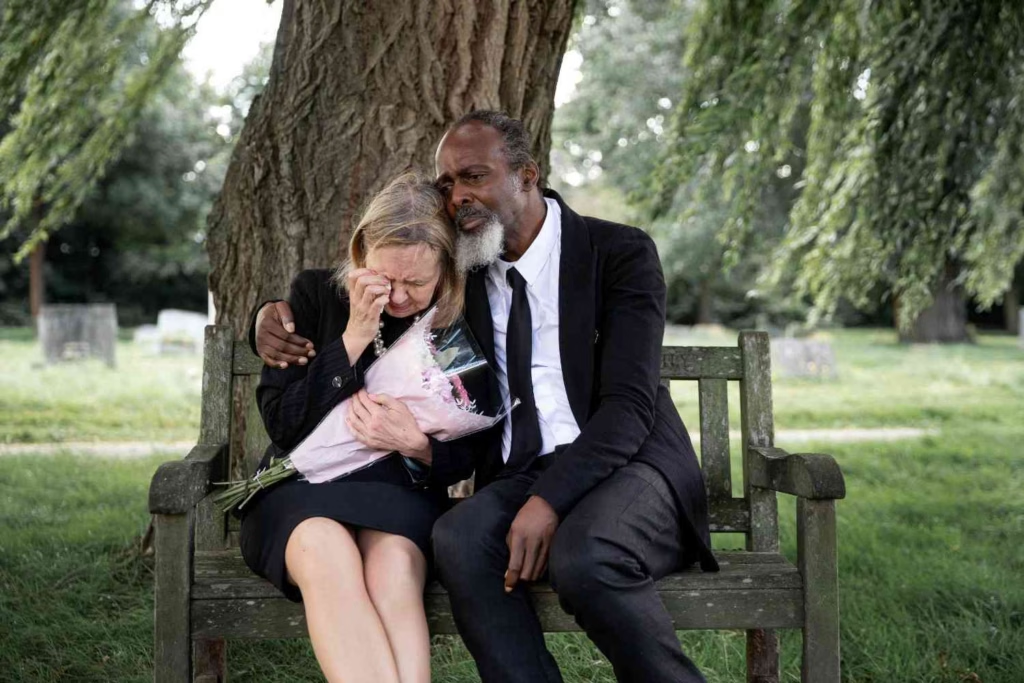
In medicine, the phrase “a good death” may sound surprising at first. Death is always painful for families, and no one truly wants to lose someone they love. But in healthcare, a good death does not mean the loss is easy. It means the person’s final days, hours, and moments are handled with as much comfort, dignity, peace, and respect as possible. It means suffering is reduced, fear is eased, and the person is cared for in a way that honors who they are. For families, it often means fewer regrets and the comfort of knowing their loved one was not in pain or distress.
A good death is not about controlling the exact time of death. It is about creating the best possible experience when death is near and cannot be prevented. This often includes honest communication, relief from pain, emotional support, respect for the person’s wishes, and a calm environment. In many cases, families later remember these details for the rest of their lives. The way someone dies can shape how loved ones grieve, heal, and find peace afterward. That is why medicine places great importance on understanding what a good death truly looks like.
Table of Contents
- What a Good Death Means
- Why It Matters in Medicine
- Freedom from Pain and Suffering
- Breathing Comfortably
- Respecting the Person’s Wishes
- Honest Communication with Family
- The Right Place to Die
- Emotional Peace and Closure
- Spiritual and Cultural Respect
- Avoiding Unnecessary Procedures
- The Role of Comfort Care
- Family Presence and Goodbye Moments
- Dignity in the Final Hours
- How Healthcare Teams Support a Good Death
- What Families Remember Most
- A Word from Dr. Zara
- Frequently Asked Questions
What a Good Death Means
A good death means the person dies in a way that is peaceful, respectful, and as free from suffering as possible. It does not mean there is no sadness. Families will still grieve deeply. But it means the final stage of life was handled with care and humanity.
For one person, a good death may mean being at home in bed, surrounded by family voices. For another, it may mean being in hospital with excellent pain control and trusted nurses nearby.
The most important part is that the care matches the person’s needs and values.
Why It Matters in Medicine
Medicine is not only about curing illness. There comes a point when cure is no longer possible, and the focus shifts to care, comfort, and dignity.
A good death matters because the final stage of life can deeply affect both the patient and the family. If the person is in severe pain, frightened, or going through painful procedures that no longer help, the experience can become traumatic.
On the other hand, when death is calm and supported, families often feel more at peace later.
Freedom from Pain and Suffering
One of the clearest signs of a good death is freedom from pain.
Serious illness can bring pain from the disease itself, weakness, pressure on the body, or difficulty moving. Good medical care makes pain relief a priority.
Doctors and nurses use medicines such as morphine and other comfort treatments to make sure the person is not suffering unnecessarily.
Pain relief is not just physical. It allows the person to relax, breathe better, and feel safer.
Breathing Comfortably
Breathing distress can be one of the hardest symptoms near the end of life.
A good death includes easing this discomfort as much as possible. This may involve oxygen, medicine, repositioning, or simply keeping the room calm.
The goal is not to force the body to keep going at all costs, but to make breathing feel less frightening.
Families often feel reassured when they see their loved one breathing peacefully.
Respecting the Person’s Wishes
A good death should reflect what the person wanted.
Some people wish to stay at home. Others want every family member nearby. Some may not want machines or aggressive procedures.
Respecting these wishes is one of the most important parts of good medical care. It keeps the person at the center of every decision.
When wishes are honored, families often feel comfort in knowing they did what their loved one truly wanted.
Honest Communication with Family
Families need clear and compassionate communication.
A good death often begins with honest conversations before the final stage. Doctors explain what is happening, what changes to expect, and what choices matter most.
This helps families prepare emotionally and practically.
Without communication, families may feel shocked, confused, or guilty later.
The Right Place to Die
Where someone dies can shape the experience.
Many people prefer home because it feels familiar and peaceful. They are surrounded by personal belongings, familiar sounds, and loved ones.
Others may need hospice or hospital care because symptoms are difficult to manage.
A good death happens in the place that best supports comfort and dignity.
Emotional Peace and Closure
The emotional side of dying matters just as much as the physical side.
A peaceful death often includes time for important conversations, expressions of love, and meaningful goodbyes.
Families may say thank you, offer forgiveness, or simply sit quietly together.
These moments can bring deep healing later.
Spiritual and Cultural Respect
Every family has different beliefs about death. Some want prayer, sacred readings, or religious rituals. Others may have cultural traditions around the final hours.
A good death respects these beliefs fully.
This respect helps the person and family feel seen and honored.
Avoiding Unnecessary Procedures
A good death usually avoids painful tests or treatments that no longer help.
Repeated blood draws, hospital transfers, or invasive machines can add suffering without improving comfort.
Medicine recognizes that at the end of life, doing less can sometimes be the kindest choice.
This is not neglect. It is thoughtful care.
The Role of Comfort Care
Comfort care plays a major role in creating a good death.
This means controlling pain, easing breathing, treating agitation, and making sure the person is clean, warm, and calm.
It also means supporting the family emotionally.
Comfort care is active care focused on what matters most.
Family Presence and Goodbye Moments
For many people, a good death includes family presence.
Holding a hand, hearing a familiar voice, or feeling a gentle touch can be deeply reassuring.
Even when the person seems less awake, they may still sense that loved ones are nearby.
Families often remember these final moments forever.
Dignity in the Final Hours
Dignity means the person is treated as a human being, not just a patient.
This includes privacy, gentle care, clean bedding, respectful touch, and avoiding unnecessary chaos.
Even small details matter deeply in the final hours.
How Healthcare Teams Support a Good Death
Doctors, nurses, hospice teams, and caregivers all help create the conditions for a good death.
They manage symptoms, answer family questions, and keep the environment calm.
Their work is not only medical. It is emotional and deeply human.
What Families Remember Most
Families often remember small details: the calmness of the room, the absence of pain, the chance to say goodbye, and the feeling that their loved one was not alone.
These memories can shape grief for years.
A good death does not remove sadness, but it can reduce trauma and regret.
A Word from Dr. Zara
A good death in medicine means dignity, comfort, and respect in the final stage of life. It is not about making death easy, but about making sure the person is safe, peaceful, and surrounded by compassionate care.
Frequently Asked Questions
1. Can death ever be peaceful?
Yes, with good comfort care and support.
2. Does a good death mean no sadness?
No, it means less suffering.
3. Is home the best place?
Only if it supports comfort and safety.
4. Why is family presence important?
It brings reassurance and connection.
5. What matters most?
Comfort, dignity, wishes, and peace.