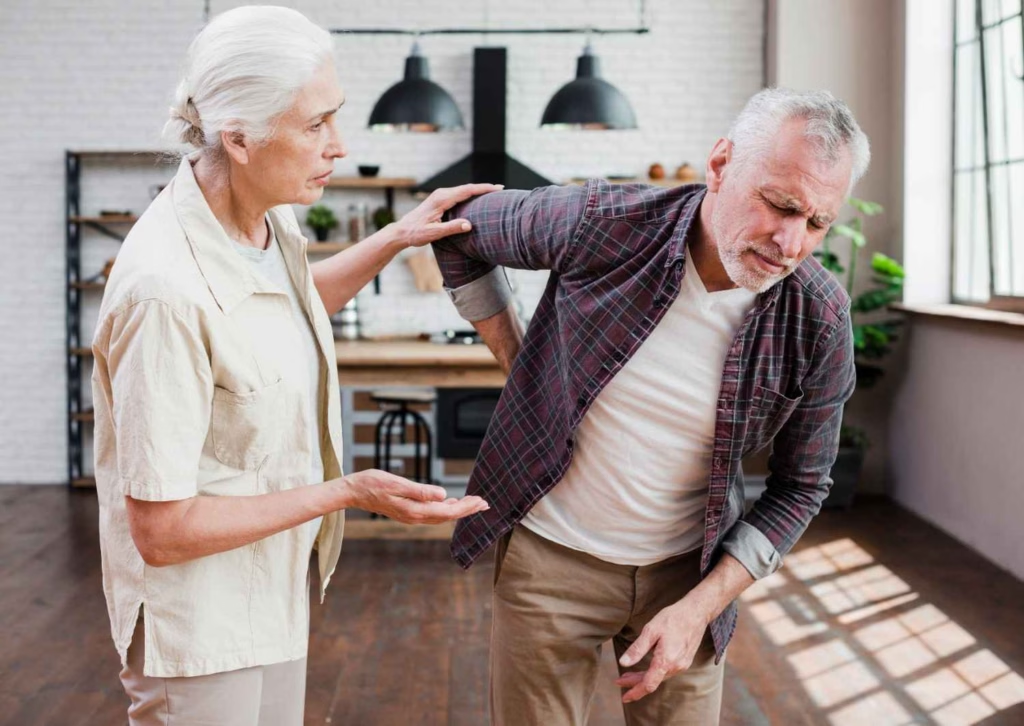
Chronic pain is one of the most common and challenging health issues faced by older adults. Unlike acute pain, which serves as a warning signal for injury or illness, chronic pain persists for months or years, often affecting physical abilities, mental health, and overall quality of life. Aging naturally increases susceptibility to conditions such as arthritis, neuropathy, osteoporosis, and musculoskeletal disorders, all of which contribute to long-term pain. If left unaddressed, chronic pain can lead to depression, social isolation, sleep disturbances, reduced mobility, and increased dependence on others.
Managing chronic pain in older adults requires a comprehensive approach that considers the physical, emotional, and social aspects of pain. Treatment plans may include lifestyle changes, physical therapy, medications, alternative therapies, and support from caregivers or healthcare professionals. Education about pain management empowers older adults to regain independence, improve function, and maintain a higher quality of life.
Early recognition and intervention are crucial. Chronic pain should never be dismissed as a normal part of aging, and older adults experiencing persistent discomfort should consult a healthcare provider for proper evaluation and tailored treatment. With the right strategies, older adults can manage pain effectively, remain active, and continue to engage meaningfully in daily life.
Table of Contents
- Understanding Chronic Pain in Older Adults
- Common Causes of Chronic Pain
- Risk Factors
- Symptoms and Complications
- Diagnosis and Assessment
- Lifestyle Modifications
- Physical Therapy and Exercise
- Medications for Chronic Pain
- Alternative and Complementary Therapies
- Support and Caregiver Strategies
- A Word from Dr. Zara
- Frequently Asked Questions
Understanding Chronic Pain in Older Adults
Chronic pain is defined as pain lasting longer than three months, and it can range from mild discomfort to debilitating pain that affects daily activities. Older adults may experience chronic pain due to natural aging processes, long-standing medical conditions, or injury. Chronic pain is more than a physical sensation; it has emotional and social consequences, often leading to frustration, depression, and reduced social engagement. Understanding chronic pain as a complex condition involving physical, psychological, and social dimensions is essential for developing effective management strategies and improving quality of life.
Common Causes of Chronic Pain
The most common causes of chronic pain in older adults include osteoarthritis, rheumatoid arthritis, neuropathic pain, osteoporosis-related fractures, musculoskeletal injuries, and degenerative spinal conditions. Arthritis leads to joint inflammation, stiffness, and persistent discomfort, while neuropathy causes burning, tingling, or numbness in the extremities. Osteoporosis increases fracture risk, often resulting in prolonged pain and reduced mobility. Musculoskeletal disorders, including back and neck pain, are also prevalent in older adults. Identifying the specific cause of pain is critical for selecting the most effective treatments and improving daily function.
Risk Factors
Several factors increase the risk of chronic pain in older adults. Advancing age naturally contributes to the wear and tear of joints, bones, and muscles. Obesity places additional strain on weight-bearing joints, worsening pain in the knees, hips, and lower back. Sedentary lifestyles can weaken muscles and reduce flexibility, increasing susceptibility to injury. Chronic medical conditions such as diabetes, cardiovascular disease, and neurological disorders also contribute to long-term pain. Mental health conditions like depression and anxiety can amplify the perception of pain, creating a cycle that is difficult to break. Recognizing these risk factors helps in designing comprehensive pain management plans tailored to individual needs.
Symptoms and Complications
Symptoms of chronic pain vary depending on the cause and location but may include persistent aching, sharp or stabbing sensations, stiffness, numbness, tingling, or reduced mobility. Chronic pain often leads to fatigue, sleep disturbances, irritability, and difficulty concentrating. If untreated, complications can include depression, anxiety, social isolation, loss of independence, and decreased ability to perform activities of daily living. Effective management not only reduces physical pain but also improves mental wellbeing and overall quality of life.
Diagnosis and Assessment
Diagnosing chronic pain in older adults requires a comprehensive evaluation by a healthcare provider. The assessment typically includes a detailed medical history, physical examination, review of medications, and imaging studies if necessary. Pain scales, questionnaires, and functional assessments help quantify pain severity and its impact on daily life. Identifying the underlying cause of pain, evaluating comorbid conditions, and understanding the patient’s personal goals are essential for designing an individualized management plan. Accurate diagnosis ensures targeted interventions that address both the physical and psychological aspects of pain.
Lifestyle Modifications
Lifestyle adjustments can significantly improve chronic pain management. Maintaining a healthy weight reduces stress on joints and bones. Balanced nutrition supports tissue repair and reduces inflammation. Regular low-impact exercise such as walking, swimming, or yoga improves flexibility, strengthens muscles, and enhances overall mobility. Avoiding smoking and limiting alcohol intake also contribute to better pain control. Implementing these lifestyle changes can reduce pain severity, prevent further deterioration, and improve overall health and function in older adults.
Physical Therapy and Exercise
Physical therapy is a cornerstone of chronic pain management. A trained therapist can develop customized exercise programs that strengthen muscles, improve joint function, enhance balance, and reduce the risk of falls. Stretching, range-of-motion exercises, and low-impact aerobic activities help maintain mobility and relieve stiffness. Consistency is critical, as regular practice leads to gradual improvement in pain levels and physical function. Physical therapy not only addresses physical symptoms but also empowers older adults with knowledge and strategies to manage pain independently.
Medications for Chronic Pain
Medications are often used as part of a comprehensive pain management strategy. Common options include acetaminophen, non-steroidal anti-inflammatory drugs, topical creams, and, in some cases, prescription analgesics. For neuropathic pain, medications such as certain anticonvulsants or antidepressants may be prescribed. It is essential that medications are carefully monitored by healthcare providers to minimize side effects, avoid interactions with other drugs, and ensure safe and effective pain relief. Combining medications with lifestyle changes and physical therapy often produces the best outcomes.
Alternative and Complementary Therapies
Alternative therapies can complement conventional treatments for chronic pain. Techniques such as acupuncture, massage therapy, heat or cold therapy, mindfulness meditation, and gentle yoga can provide relief and promote relaxation. Cognitive behavioral therapy, or CBT, can help manage the emotional and psychological aspects of chronic pain, reducing anxiety and improving coping strategies. Integrating these approaches into a comprehensive pain management plan can enhance effectiveness and support holistic wellbeing in older adults.
Support and Caregiver Strategies
Caregivers and family members play a vital role in supporting older adults with chronic pain. Assistance may include helping with daily activities, encouraging adherence to exercise or treatment plans, monitoring symptoms, and providing emotional support. Understanding the limitations imposed by pain and fostering a supportive environment helps maintain independence and quality of life. Caregivers can also facilitate access to healthcare resources, educational programs, and community support groups, empowering older adults to manage pain effectively and remain engaged in social and physical activities.
A Word from Dr. Zara
“Chronic pain is a complex condition that affects both physical and emotional health, especially in older adults. While pain may never disappear completely, effective management can greatly improve quality of life, mobility, and independence. Combining lifestyle modifications, physical therapy, medications, alternative therapies, and caregiver support offers a comprehensive approach to living well with chronic pain. I encourage anyone experiencing persistent pain to seek medical evaluation and create an individualized plan with their healthcare provider. I am a qualified physician and welcome your questions via email at drzaramulla@gmail.com or on Instagram @drzaramulla.”
Frequently Asked Questions
1. Is chronic pain a normal part of aging?While aging increases the risk of certain conditions that cause pain, chronic pain is not inevitable and should be addressed.
2. What are common causes of chronic pain in older adults?Osteoarthritis, neuropathy, osteoporosis, musculoskeletal injuries, and degenerative spinal conditions are common causes.
3. Can exercise help manage chronic pain?Yes, low-impact exercise and physical therapy strengthen muscles, improve flexibility, and reduce pain over time.
4. Are medications safe for older adults with chronic pain?
Medications can be safe if monitored by a healthcare provider, with attention to side effects, interactions, and dosing.
5. How can caregivers support older adults with chronic pain?Caregivers can provide practical assistance, emotional support, encourage treatment adherence, and facilitate access to healthcare resources.