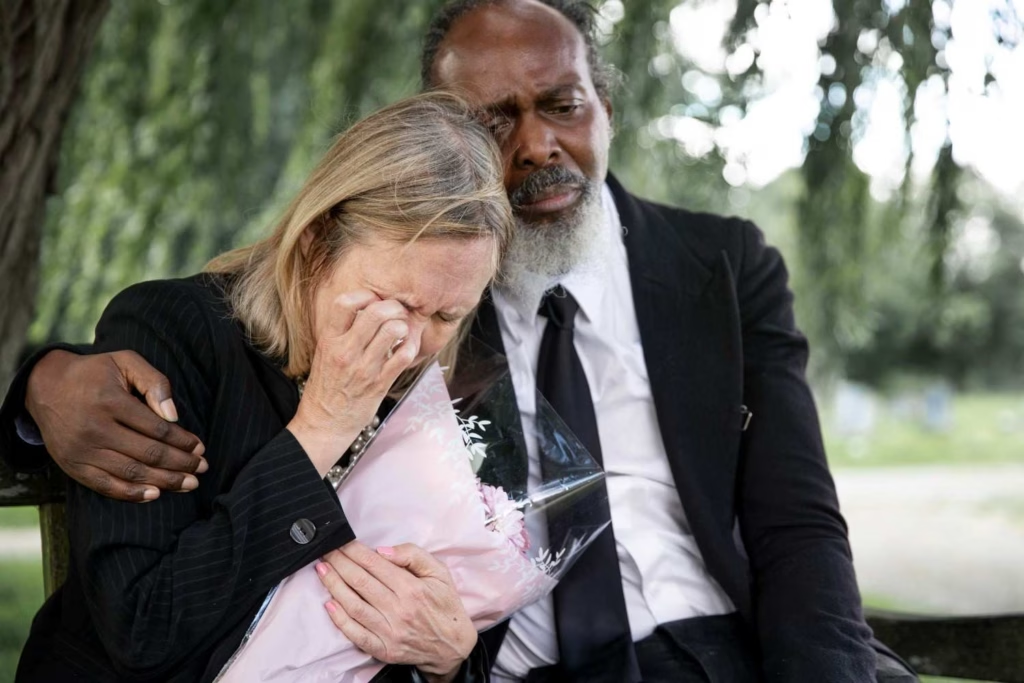
When someone we love is very sick or nearing the end of life, it can be a very emotional and confusing time. Families try their best to care, support, and make the right choices. But after the person passes, many people take time to think back. They remember moments, conversations, and decisions. Sometimes they feel peaceful, but sometimes they feel regret. Regret is the feeling of wishing something had been done differently. In end-of-life care, these regrets are often not about big mistakes. They are about small moments that mattered deeply. These are the things families wish they had done, said, or understood earlier. Learning about these common regrets can help others make better choices now. It can help people focus on what truly matters before it is too late.
Table of Contents
- Why Regret Happens at the End of Life
- Not Spending Enough Time Together
- Thinking There Will Be More Time
- Not Saying Important Words
- Avoiding Honest Conversations
- Focusing Too Much on Treatment
- Not Understanding the End Was Near
- Not Asking Enough Questions
- Not Knowing How to Comfort Their Loved One
- Being Afraid to Be Present
- Not Being There at the Final Moment
- Unresolved Family Conflict
- Feeling Emotionally Unprepared
- What These Regrets Teach Us
- How Families Can Avoid These Regrets
- A Word from Dr. Zara
- Frequently Asked Questions
Why Regret Happens at the End of Life
Regret is a very natural feeling. It happens because people care deeply. When someone we love is leaving us, we want to do everything right. But at the time, things are not always clear. Emotions are strong, and decisions can feel confusing. People may feel fear, sadness, or even denial. Because of this, they may not always act the way they later wish they had. After the loss, the mind becomes clearer. People look back and notice small moments they wish they had handled differently. It is important to understand that most families do their best with the knowledge they have at the time. Regret does not mean failure. It simply shows love and care.
Not Spending Enough Time Together
One of the most common regrets families share is not spending enough time with their loved one. Life can be very busy. People have jobs, responsibilities, and daily stress. Sometimes they think they will visit later or call another day. They may not realize how important each moment is. When the person is gone, they wish they had spent more time sitting together, talking, or even just being present. It is often not about doing something special. It is about simple moments, like holding hands or sharing a quiet space. Time is one of the most valuable gifts we can give, and once it is gone, it cannot be taken back.
Thinking There Will Be More Time
Many families believe there will always be more time. They may think the illness is not that serious or that the person will recover. Because of this, they delay visits or conversations. They may say, “I will go tomorrow” or “I will talk to them next week.” Sadly, sometimes that extra time does not come. This leads to deep regret. People wish they had acted sooner instead of waiting. This regret teaches an important lesson: when someone is seriously ill, it is better to act now rather than later. Even a short visit or a simple phone call can mean a lot.
Not Saying Important Words
Another very common regret is not saying important words. These are simple but powerful words like “I love you,” “Thank you,” “I forgive you,” or “I am sorry.” Many people find it hard to say these things. They may feel shy, uncomfortable, or unsure how to express their feelings. Some think the other person already knows, so they do not say it out loud. But at the end of life, these words become very important. They can bring peace, closure, and comfort. Many families later wish they had spoken more openly and shared their true feelings.
Avoiding Honest Conversations
Talking about illness and death is not easy. Many families avoid these conversations because they are afraid of causing sadness or worry. They may pretend everything is fine, even when it is not. But avoiding these talks can lead to regret. Important wishes may not be shared. Families may not know what their loved one truly wanted. Honest conversations, even though they are difficult, can bring clarity and peace. They allow people to understand each other better and make decisions that respect the person’s wishes.
Focusing Too Much on Treatment
In many cases, families focus only on trying to cure the illness. They may keep searching for new treatments or hope for a miracle. While hope is important, sometimes this focus can take attention away from comfort and connection. Families may spend less time talking, resting, or simply being together. Afterward, they may feel they missed the chance to create meaningful moments. They may wish they had focused more on quality of life instead of only trying to extend time.
Not Understanding the End Was Near
Some families do not realize that the end of life is close. They may think the person is just having a bad day or will get better soon. Because of this, they may not prepare emotionally. When the person passes, it feels sudden and shocking. This can lead to regret. Understanding the signs of decline can help families be more prepared. It allows them to use the remaining time in a more meaningful way.
Not Asking Enough Questions
Many families feel unsure but do not ask questions. They may feel shy or afraid of hearing difficult answers. But doctors and nurses are there to help. Not asking questions can lead to confusion and misunderstanding. Families may later feel they did not fully understand the situation. Asking questions can bring clarity and help families feel more confident in their decisions.
Not Knowing How to Comfort Their Loved One
Some people worry that they do not know how to help. They may think they need to do something big or medical. But comfort is often simple. It can be sitting nearby, holding a hand, or speaking softly. Some families later regret not doing these small things more often. They may not realize how much these simple actions can mean.
Being Afraid to Be Present
Fear can stop people from being present. Seeing a loved one weak or unwell can be very hard. Some people avoid visiting because they do not want to see the changes. Others may feel unsure how to act. Later, they regret not being there more often. Being present, even in silence, can be very meaningful.
Not Being There at the Final Moment
Some families feel deep regret if they were not there when their loved one passed. This can happen for many reasons. They may have stepped away or not expected it to happen so soon. It is important to understand that this is not always within control. What matters most is the care and love given throughout the journey, not just the final moment.
Unresolved Family Conflict
Sometimes there are unresolved issues in families. There may be arguments, distance, or hurt feelings. When the end comes, people may regret not fixing these problems. They may wish they had reached out or made peace. Forgiveness can be very powerful and can bring healing.
Feeling Emotionally Unprepared
Many families say they felt unprepared. They did not know what to expect or how to handle their emotions. This can make the experience more difficult. Learning about end-of-life care can help families feel more ready. Preparation does not remove sadness, but it can reduce fear.
What These Regrets Teach Us
These regrets are not meant to make people feel bad. They are lessons. They show what truly matters at the end of life. Time, love, honesty, and presence are more important than anything else. Learning from these experiences can help others make better choices.
How Families Can Avoid These Regrets
Families can take simple steps to avoid regret. They can spend time together, speak openly, and ask questions. They can focus on comfort and connection instead of fear. Small actions, done with care, can make a big difference.
A Word from Dr. Zara
Regret often comes from missed small moments, not big mistakes. The good news is that we can learn from this. Being present, kind, and honest can make a powerful difference at the end of life.
Frequently Asked Questions
1. Is regret normal?
Yes, it is very common.
2. Can regret be avoided?
It can be reduced by being present and open.
3. What matters most at the end of life?
Time, love, and connection.
4. Should families talk openly?
Yes, it helps bring peace.
5. Are small actions important?
Yes, they matter a lot.