Introduction
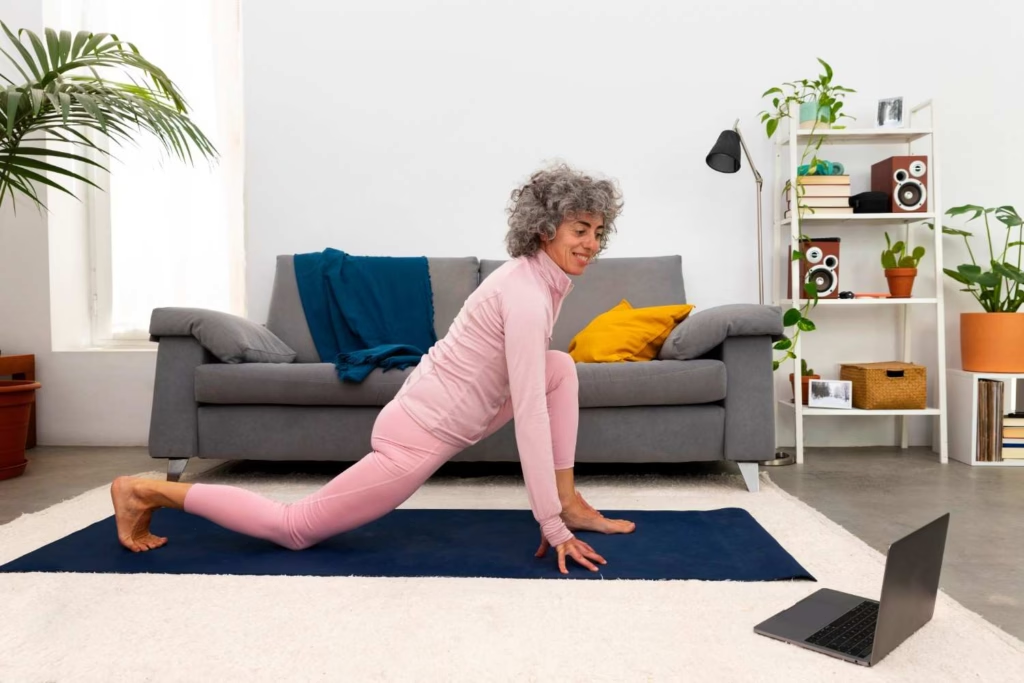
Staying active after 60 is one of the best ways to protect your independence, strength, and overall health. Many people believe they need a gym, special equipment, or long workouts, but that is not true. A simple 25-minute routine done regularly can improve balance, mobility, strength, and heart health. The key is to keep it safe, practical, and easy to repeat.
Table of Contents
Why a 25 Minute Routine Works So Well for Seniors
What the Best Senior Routine Must Include
The Complete 25 Minute Exercise Routine
Minute 1 to 5: Gentle Warm Up and Joint Mobility
Minute 6 to 12: Functional Strength for Daily Independence
Minute 13 to 17: Balance and Stability Training
Minute 18 to 23: Light Cardio for Heart and Endurance
Minute 24 to 25: Cool Down and Recovery
How Often Seniors Over 60 Should Do This Routine
Beginner Modifications and Chair Friendly Options
When to Stop and When to Seek Medical Advice
Why This Routine Works Better Than Random Exercises
A Word from Dr. Zara
Frequently Asked Questions
Why a 25 Minute Routine Works So Well for Seniors
A 25-minute routine is long enough to be effective but short enough to feel manageable. Many older adults struggle to stay active not because they cannot exercise, but because long workouts feel overwhelming. A 45- or 60-minute session can seem tiring before it even begins. In contrast, 25 minutes feels achievable and easier to fit into daily life.
Consistency is the most important factor when it comes to exercise after 60. Doing a simple routine regularly will lead to better results than doing a complicated workout once in a while. Short sessions also reduce fatigue and make it easier to stay motivated.
Health guidelines recommend that older adults aim for about 150 minutes of moderate activity each week. This might sound like a lot, but it can be broken into smaller sessions. A 25-minute routine done 5 times a week already gets you close to that goal, especially when combined with walking or light daily movement.
What the Best Senior Routine Must Include
A well-balanced exercise routine for seniors should focus on five key areas:
Mobility
Mobility exercises help keep joints flexible and reduce stiffness. This makes everyday movements like bending, turning, and reaching much easier.
Strength
Muscle strength is essential for daily independence. Strong legs, hips, and arms help with standing up, climbing stairs, and carrying items safely.
Balance
Balance becomes more important with age. Training balance regularly helps reduce the risk of falls and builds confidence when walking or moving.
Cardiovascular Endurance
Cardio exercises support heart health, improve circulation, and increase energy levels. Even light movement can make a big difference.
Recovery
Cooling down after exercise helps the body relax, reduces stiffness, and supports flexibility.
When these five elements are combined into one routine, the result is a complete program that supports healthy aging.
The Complete 25 Minute Exercise Routine
- 5 minutes warm up and mobility
- 7 minutes functional strength
- 5 minutes balance and stability
- 6 minutes light cardio
- 2 minutes cool down
This routine can be done safely at home with a chair or wall nearby for support.
Minute 1 to 5: Gentle Warm Up and Joint Mobility
The warm-up prepares your body for movement. It increases blood flow, reduces stiffness, and helps prevent injury.
March in Place (1 minute)
Stand tall and gently lift your knees one at a time. Swing your arms naturally. Start slowly and increase the pace slightly.
Shoulder Rolls and Arm Circles (1 minute)
Roll your shoulders forward and backward. Then make small circles with your arms. Keep movements gentle and controlled.
Ankle Pumps and Heel-Toe Rocking (1 minute)
Hold a chair for support. Rise onto your toes, then rock back onto your heels. This strengthens your ankles and improves stability.
Gentle Trunk Rotations (1 minute)
Turn your upper body slowly from side to side. Keep the movement smooth and pain-free.
Sit to Stand Prep (1 minute)
Sit in a chair and stand up slowly, then sit back down with control. This prepares your legs for the strength exercises.
Minute 6 to 12: Functional Strength for Daily Independence
Strength training is essential for staying independent and reducing the risk of weakness and injury.
Sit to Stand from a Chair (2 minutes)
Sit with your feet flat on the floor. Lean forward slightly, stand up, then sit down slowly. Aim for 8–12 repetitions. This strengthens your thighs and hips.
Wall Push-Ups (2 minutes)
Stand facing a wall. Place your hands on the wall and lower your body toward it, then push back. This builds upper body strength safely.
Standing Side Leg Raises (1.5 minutes)
Hold a chair and lift one leg to the side. Keep your body upright. This strengthens your hips and improves walking stability.
Heel Raises (1.5 minutes)
Hold a chair and lift your heels off the ground. Lower slowly. This strengthens your calves and improves balance.
Minute 13 to 17: Balance and Stability Training
Balance exercises help prevent falls and improve confidence in daily movement.
Single Leg Stand with Support (2 minutes)
Hold a chair and lift one foot slightly. Try to hold for a few seconds, then switch sides.
Tandem Stance (1.5 minutes)
Place one foot directly in front of the other. Hold your balance while standing tall.
Side Steps Along a Counter (1.5 minutes)
Step sideways slowly while holding a surface for support. This improves side-to-side stability.
Minute 18 to 23: Light Cardio for Heart and Endurance
Cardio exercises improve heart health, stamina, and mood.
Brisk Marching or Indoor Walking (3 minutes)
March in place or walk around your home at a steady pace. You should feel slightly out of breath but still able to talk.
Step Touch Pattern (2 minutes)
Step one foot to the side, then bring the other foot in. Repeat in both directions.
Faster March Finish (1 minute)
Increase your pace slightly if you feel comfortable.
Minute 24 to 25: Cool Down and Recovery
Cooling down helps your body relax and return to normal.
Slow March and Deep Breathing (1 minute)
Slow your movements and take deep breaths.
Calf Stretch and Chest Opening (1 minute)
Stretch your calves gently and open your chest by pulling your shoulders back.
How Often Seniors Over 60 Should Do This Routine
Aim to do this routine 3 to 5 times per week.
You can also add:
- Walking
- Light stretching
- Daily movement
Regular activity is more important than intensity.
Beginner Modifications and Chair Friendly Options
If you are just starting or feel less steady:
- Use a chair or wall for support
- Reduce the number of repetitions
- Move slowly and carefully
- Do seated exercises if needed
- Take breaks between movements
Even small amounts of movement can improve health over time.
When to Stop and When to Seek Medical Advice
Stop exercising and seek medical advice if you experience:
- Chest pain
- Severe shortness of breath
- Dizziness or fainting
- Sudden or severe pain
- Irregular heartbeat
If you have a medical condition, speak with a healthcare professional before starting.
Why This Routine Works Better Than Random Exercises
Many people do random stretches or occasional walks but do not see much improvement. This is because the body needs a combination of movements to stay strong and functional.
This routine works because it focuses on real-life movements such as:
- Standing up from a chair
- Walking and turning
- Balancing on one leg
- Reaching and lifting
By training these movements, you improve your ability to handle daily tasks safely and confidently.
A Word from Dr. Zara
For adults over 60, the best exercise routine is not the hardest one. It is the one that is safe, balanced, and easy to repeat. A simple 25-minute routine can help you stay strong, steady, and independent for years to come.
Frequently Asked Questions
1. Is 25 minutes of exercise enough?
Yes. When done regularly, it can improve strength, balance, and overall health.
2. How many times a week should I exercise?
Aim for 3 to 5 times per week.
3. What is the most important exercise?
Sit-to-stand is one of the most helpful because it supports daily independence.
4. Can I do this at home?
Yes. This routine is designed to be done at home without equipment.
5. What if I cannot stand for long?
You can do seated exercises and adjust the routine to your comfort level.