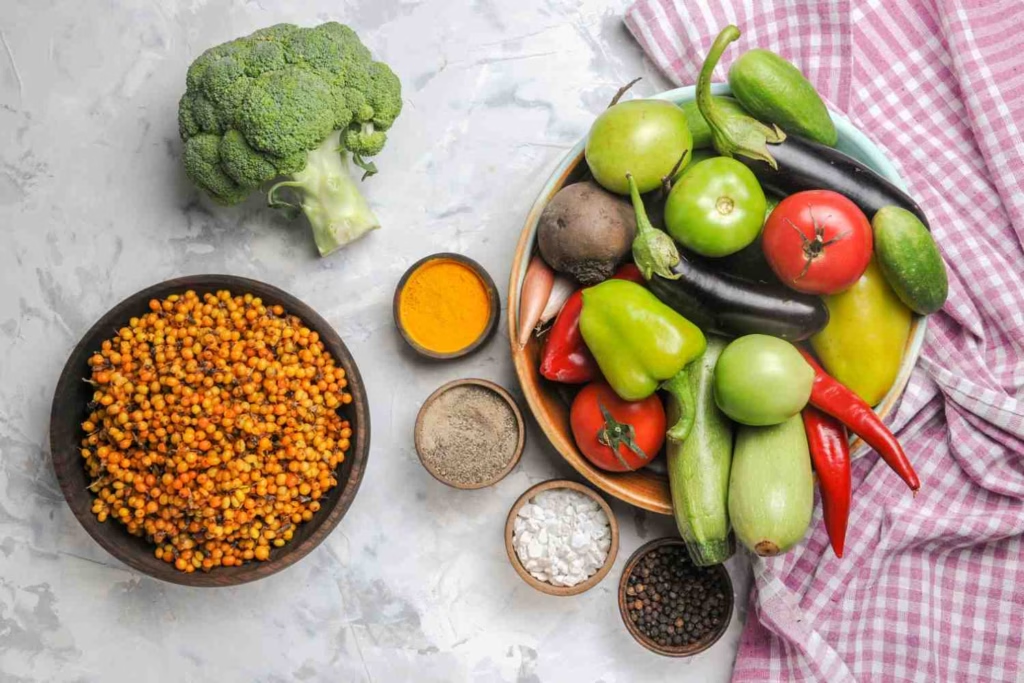
All foods are important for human growth and general health. A balanced diet made up of carbohydrates, proteins, fats, vitamins, and minerals is essential for survival and wellbeing. However, some foods stand out because they provide a higher concentration of nutrients compared to others. These are often referred to as nutrient-dense foods, such as fish, dairy products, fruits, vegetables, whole grains, and foods rich in vitamins, minerals, and antioxidants. In recent years, these highly nutritious foods have gained global attention under the popular name “superfoods.” While no single food can guarantee perfect health, incorporating superfoods into your daily diet can significantly support overall wellness, reduce the risk of chronic diseases, and help the body function at its best.
Table of Contents
- What Are Superfoods?
- How Superfoods Promote Health
- Importance of Superfoods
- Heart Health
- Stronger Immune System
- Cancer Prevention
- Reduced Inflammation
- Lower Cholesterol
- What Makes a Superfood a Superfood?
- Top 25 Superfoods
- Benefits of Superfoods
- Health Risks and Considerations
- A Word from Dr. Zara
- Frequently Asked Questions (FAQs)
What Are Superfoods?
Superfoods are not a scientifically or nutritionally recognized category of foods, and there is no specific official criterion a food must meet to be labeled a superfood. The term is commonly used to describe natural foods that are exceptionally nutrient-dense while being relatively low in calories. These foods are packed with essential vitamins, minerals, antioxidants, and other beneficial compounds that support the body’s natural processes.
Superfoods help promote health by strengthening immune function, reducing inflammation, and decreasing the risk of disease progression. They also play an important role in disease prevention by protecting cells from damage and supporting vital organs.
Importance of Superfoods
Each superfood has unique natural properties that contribute to health in different ways:
1. Heart Health
Many superfoods, such as olive oil, fatty fish, nuts, seeds, and leafy green vegetables, support cardiovascular health. They are rich in omega-3 fatty acids, fiber, and antioxidants that help reduce bad cholesterol (LDL), improve blood circulation, and lower blood pressure. Regular consumption can reduce the risk of heart disease and stroke.
2. Stronger Immune System
Superfoods like garlic, ginger, berries, yogurt, and green tea boost immune function by providing vitamins such as vitamin C, zinc, and probiotics. These nutrients help the body fight infections, support gut health, and improve the production of immune cells.
3. Cancer Prevention
Certain superfoods contain powerful antioxidants and phytochemicals that help neutralize free radicals, which are unstable molecules that can damage cells and lead to cancer. Foods such as turmeric, cruciferous vegetables, berries, and tomatoes contain compounds linked to reduced cancer risk.
4. Reduced Inflammation
Chronic inflammation is linked to many diseases, including arthritis, diabetes, and heart disease. Superfoods like fatty fish, ginger, turmeric, and leafy greens contain anti-inflammatory compounds that help calm inflammation and support long-term health.
5. Lower Cholesterol
Foods rich in soluble fiber, healthy fats, and plant sterols—such as oats, beans, lentils, nuts, seeds, and avocados—help lower cholesterol levels. This reduces strain on the heart and improves overall metabolic health.
What Makes a Superfood a Superfood?
Superfoods are characterized by their high concentration of beneficial nutrients, including:
- Antioxidants: Protect cells from oxidative stress and slow aging
- Vitamins: Support immunity, energy production, and organ function
- Minerals: Strengthen bones, support nerve function, and regulate metabolism
Many superfoods are also rich in:
- Fiber: Improves digestion and gut health
- Flavonoids: Plant compounds with anti-inflammatory and antioxidant properties
- Healthy Fats: Support brain health, heart health, and hormone balance
Top 25 Superfoods
- Avocado
- Beets
- Chia Seeds
- Cinnamon
- Dark Leafy Greens (Spinach, Kale)
- Garlic
- Ginger
- Green Tea
- Berries (Blueberries, Strawberries, Raspberries)
- Lentils
- Pumpkin
- Salmon
- Yogurt and Kefir
- Turmeric
- Nutritional Yeast
- Fatty Fish (Sardines, Mackerel)
- Bee Pollen
- Mushrooms
- Cruciferous Vegetables (Broccoli, Cabbage, Cauliflower)
- Nuts and Seeds
- Coconut
- Sea Vegetables (Seaweed, Nori)
- Olive Oil
- Beans and Legumes
- Tomatoes
Benefits of Superfoods
- High nutrient density
- Improved heart health
- Better weight management
- Improved digestion
- Stronger immune function
- Chronic disease prevention
- Enhanced brain health and cognitive function
- Improved liver health
- Better metabolic health
Health Risks to Note About Superfoods
In the modern world, where health has become a global concern, there is an overwhelming amount of information about “this superfood” and “that superfood.” While superfoods are beneficial, they are not magic cures. Overconsumption, reliance on a single food, or ignoring individual health conditions can lead to imbalances or adverse effects. Some superfoods may interact with medications or cause allergic reactions. Balance, moderation, and personalization are key.
A Word from Dr. Zara
“Living a healthy and fulfilling life starts with you. It is important to be mindful of what we eat, especially in a world filled with countless consumable products where we rarely take time to understand what is inside the package. It is therefore very important to consult your medical doctor or nutritionist for tailored food plans based on your health conditions or allergies. If you have any health-related questions, I would be glad to address your concerns. However, this information is not a substitute for visiting your doctor or nutritionist.”
Frequently Asked Questions (FAQs)
1. Are superfoods necessary for good health?
No, but they can greatly enhance health when included as part of a balanced diet.
2. Can superfoods cure diseases?
Superfoods cannot cure diseases, but they can help reduce risk and support overall health.
3. How often should I eat superfoods?
You can include them daily in moderate amounts as part of a varied diet.
4. Are superfoods expensive?
Not all superfoods are costly. Foods like beans, lentils, garlic, and leafy greens are affordable and highly nutritious.
5. Can children and elderly people consume superfoods?
Yes, most superfoods are safe for all ages, but portion sizes and individual needs should be considered.
6. Should I consult a professional before changing my diet?
Yes. Consulting a doctor or nutritionist ensures dietary choices are safe and tailored to your health needs.