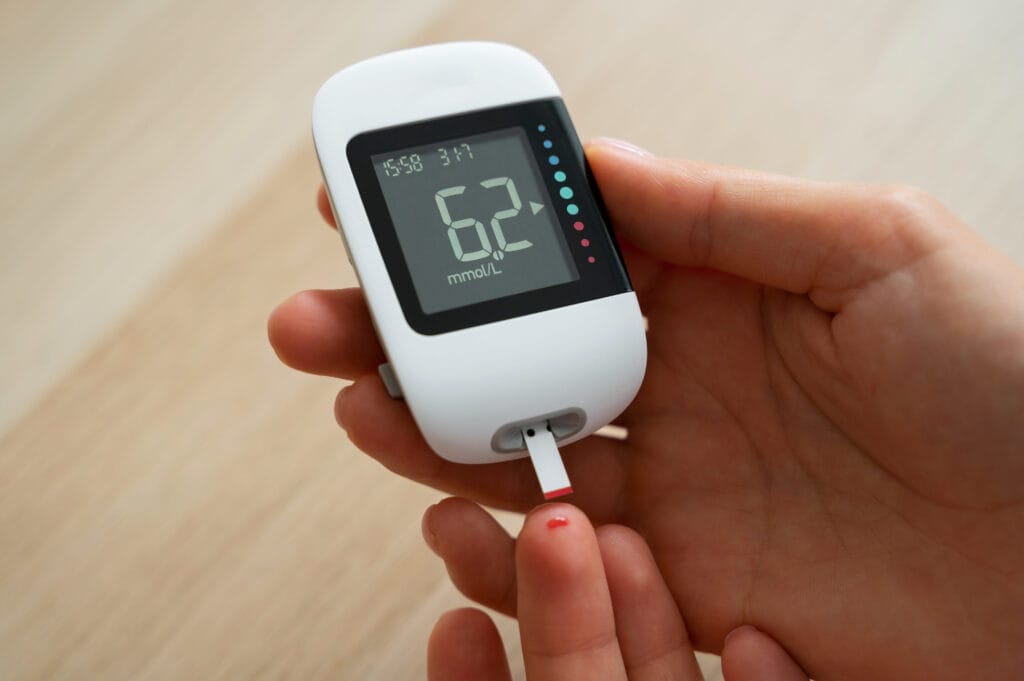
The holiday season is meant to be joyful, a time for family, celebration, travel, and well-earned rest. Yet for people living with chronic conditions, this festive period can feel overwhelming. Chronic pain and long-term illnesses don’t take holidays. They live with you every day, often for a lifetime, which makes extra care and planning essential during Christmas, New Year, and other celebrations.
Between busy schedules, rich foods, late nights, travel stress, and social obligations, it’s easy to overlook your health. Unfortunately, small lapses can sometimes trigger flare-ups or emergencies. The good news? With the right preparation and mindset, you can enjoy the festive season while protecting your well-being.
This comprehensive guide is designed to help you live a healthy, stress-free holiday life while managing a chronic condition. It’s written to be easy to navigate, so you can quickly find what matters most to you.
Table of Contents
- Why Managing Chronic Conditions During the Holidays Matters
- Common Holiday Challenges for People With Chronic Illness
- Tips for Managing Chronic Conditions This Festive Season
- Stick to Your Medication Schedule
- Monitor Your Symptoms Consistently
- Listen to Your Body
- Avoid Alcohol and Smoking
- Consult Your Doctor Ahead of Time
- Stay Active-Even During the Holidays
- Plan Your Travel With Your Health in Mind
- Be Mindful of What You Eat
- A Word From Doctor Zara
- Frequently Asked Questions (FAQs)
Why Managing Chronic Conditions During the Holidays Matters
The festive season is a time of joy, togetherness, and celebration. It’s when families reunite, vacations finally happen, and routines loosen. But for people living with chronic illnesses, this season adds an extra layer of complexity.
Conditions such as asthma, diabetes, heart disease, cancer, arthritis, and autoimmune disorders require ongoing care and attention. During the holidays, normal routines are disrupted by travel, family duties, social gatherings, and last-minute preparations. These disruptions can make it harder to manage medications, maintain healthy habits, and recognize early warning signs.
Taking your health seriously during the holidays isn’t about missing out, it’s about protecting yourself so you can truly enjoy the season. When your condition is well managed, you reduce stress, prevent complications, and create space for meaningful moments with loved ones.
Tips for Managing Chronic Conditions This Festive Season
With the right strategies, it’s entirely possible to enjoy a healthy and fulfilling holiday season while living with a chronic condition. Prioritizing your health is not selfish, it’s necessary. Below are practical, effective tips to help you stay well and merry throughout the festivities.
1. Stick to Your Medication Schedule
One of the most common holiday health risks for chronic patients is missing or delaying medication. Travel, late nights, and busy schedules can easily disrupt your routine.
To stay on track:
- Set alarms or reminders on your phone.
- Pack medications in your carry-on bag when traveling.
- Bring extra doses in case of delays or emergencies.
- Keep a written list of your medications, dosages, and timing.
If you’re attending long events or staying away from home, plan ahead so your treatment schedule isn’t compromised. Consistency is key, your medication works best when taken exactly as prescribed, even during celebrations.
2. Monitor Your Symptoms Consistently
The holidays can mask early warning signs of flare-ups because you’re distracted or pushing through fatigue. Monitoring your symptoms regularly helps you catch issues before they escalate.
Pay attention to changes such as:
- Increased pain or fatigue
- Shortness of breath
- Blood sugar fluctuations
- Digestive discomfort
- Sleep disturbances
Keeping a simple symptom journal, either on paper or your phone can help you track patterns and triggers. If something feels off, don’t ignore it. Early action can prevent serious complications.
3. Listen to Your Body
Your body is your most reliable clinic. It constantly sends signals about what it needs, rest, hydration, nourishment, or a break.
During the holidays, it’s tempting to push through exhaustion to meet social expectations. However, ignoring your body’s signals can lead to flare-ups or emergencies. Learn to pause when needed, excuse yourself from activities, and rest without guilt.
Listening to your body means honoring your limits. Doing so helps you stay present and well throughout the season, rather than recovering afterward.
4. Avoid Alcohol and Smoking
The celebratory atmosphere of the holidays often comes with alcohol and smoking. While it may seem harmless, these substances can be serious triggers for many chronic conditions.
Alcohol and smoking can:
- Interfere with medications
- Increase inflammation
- Worsen heart and lung conditions
- Disrupt blood sugar control
- Weaken the immune system
If possible, avoid them entirely. Choose non-alcoholic alternatives and step away from smoky environments. Protecting your health now can prevent catastrophic complications later.
5. Consult Your Doctor Ahead of Time
Before the festive season begins, schedule a consultation with your healthcare provider. This is especially important if you plan to travel, change your routine, or attend multiple events.
Your doctor can:
- Adjust medications if needed
- Provide travel or diet advice
- Offer guidance on managing flare-ups
- Help you create a holiday health plan
Being proactive gives you confidence and clarity. It also reduces anxiety, knowing you have professional guidance tailored to your condition.
6. Stay Active—Even During the Holidays
Just because it’s the holiday season, it doesn’t mean exercise should be put aside. Physical activity helps manage symptoms, improve mood, and reduce stress.
You don’t need intense workouts. Simple activities such as:
- Walking after meals
- Gentle stretching
- Light home exercises
- Breathing or mobility routines
can make a big difference. Staying active supports circulation, digestion, and mental well-being.
7. Plan Your Travel With Your Health in Mind
Travel can be physically demanding, especially for people with chronic conditions. Planning ahead can make the experience safer and more comfortable.
Consider the following:
- Carry medical documents and prescriptions
- Schedule rest breaks during long trips
- Stay hydrated
- Know where nearby medical facilities are
Avoid overpacking your itinerary. Leaving room for rest and flexibility ensures your health remains a priority wherever you go.
8. Be Mindful of What You Eat
Holiday meals are often rich, indulgent, and frequent. While enjoying food is part of the celebration, it’s important to be mindful of what and how much you eat.
To protect your health:
- Stick to foods that support your condition
- Watch portion sizes
- Balance treats with nutritious meals
- Stay hydrated
Mindful eating helps prevent complications such as blood sugar spikes, digestive distress, or inflammation. You can still enjoy festive foods, just with intention and moderation.
A Word From Doctor Zara
The festive season is a time for family and celebration, but your health should always come first. Many chronic patients end up hospitalized during holidays due to small acts of carelessness that could have been avoided.
Chronic patients are delicate, and even minor neglect can lead to serious or fatal outcomes. I strongly encourage you to visit your doctor and discuss any activities, travel plans, or precautions you should take during the festive season.
You may also consult me for general health-related advice by reaching me at drzaramulla@gmail.com. Please note that this inquiry is not a substitute for visiting your doctor in person.
Stay healthy, stay mindful, and enjoy the holidays.
Frequently Asked Questions (FAQs)
1. Can people with chronic illnesses enjoy the holidays normally?
Yes. With proper planning, self-care, and awareness, people with chronic conditions can fully enjoy the festive season safely.
2. What is the biggest holiday risk for chronic patients?
Disrupted routines, especially missed medications, poor diet choices, and overexertion are among the biggest risks.
3. Should I avoid traveling if I have a chronic condition?
Not necessarily. Travel is possible with careful planning, medical preparation, and attention to your body’s needs.
4. How can I say no to activities without feeling guilty?
Remember that protecting your health allows you to enjoy more moments in the long run. Setting boundaries is an act of self-respect, not selfishness.
5. When should I seek medical advice during the holidays?
If symptoms worsen, feel unusual, or persist, seek medical advice promptly. Early action can prevent serious complications.