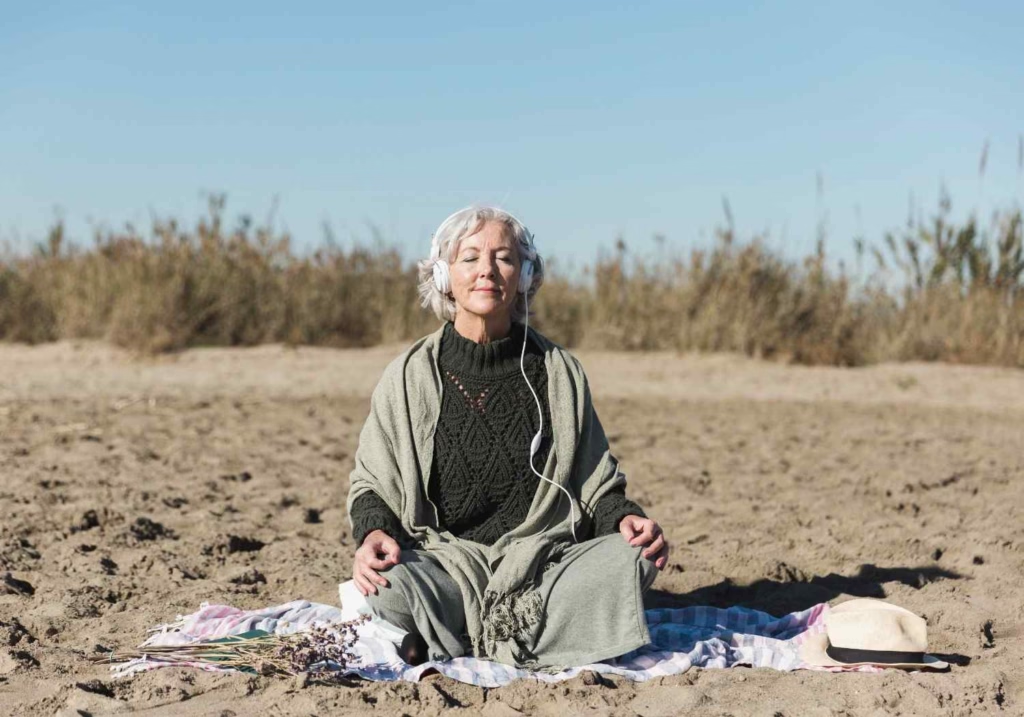
Stress is often thought of as a problem of younger life, linked to work pressure, deadlines, or raising children. However, stress remains very present in older age, although its sources may change. Aging adults may experience stress related to health concerns, chronic illness, financial stability, loss of independence, caregiving responsibilities, loneliness, or grief. When stress is left unmanaged, it can quietly erode both physical and mental health, reducing quality of life and accelerating age related decline. Effective stress management is therefore not a luxury but a necessity for healthy aging.
Stress management for older adults is not about eliminating stress entirely, which is unrealistic, but about learning how to respond to stress in ways that protect the body and mind. With the right techniques, seniors can reduce emotional strain, improve physical comfort, enhance sleep, and regain a sense of control. Understanding how stress affects aging adults and learning practical strategies to manage it can lead to calmer, healthier, and more fulfilling later years.
Table of Contents
- Understanding Stress in Older Adults
- Common Sources of Stress in Later Life
- How Stress Affects the Aging Body
- The Impact of Stress on Mental and Emotional Health
- Recognizing Signs of Chronic Stress
- Relaxation Based Stress Management Techniques
- Cognitive and Emotional Coping Strategies
- Lifestyle Approaches to Reducing Stress
- The Role of Social Support in Stress Relief
- Stress Management for Chronic Illness and Pain
- When Professional Help Is Needed
- A Word from Dr. Zara
- Frequently Asked Questions
Understanding Stress in Older Adults
Stress is the body’s natural response to perceived threats or challenges. When faced with stress, the nervous system activates a cascade of physical reactions designed to protect survival. While this response is helpful in short bursts, chronic stress keeps the body in a constant state of alert. For older adults, this prolonged stress response can be especially harmful due to age related changes in the immune system, cardiovascular system, and hormonal balance.
Stress in later life often develops gradually and may go unnoticed. Many seniors accept stress as a normal part of aging and do not recognize its impact. However, unmanaged stress significantly increases the risk of illness, emotional distress, and reduced independence. Learning to identify and manage stress is a crucial part of elder care.
Common Sources of Stress in Later Life
Older adults face unique stressors that differ from those earlier in life. Health related stress is one of the most common. Chronic conditions, frequent medical appointments, medication management, and fear of illness progression create ongoing emotional strain. Physical limitations may lead to frustration and grief over lost abilities.
Emotional stress often stems from loss. The death of a spouse, friends, or siblings can deeply affect emotional stability. Social changes, such as reduced interaction or isolation, contribute to loneliness and sadness. Financial concerns related to retirement income, healthcare costs, or housing can also be significant stressors.
Loss of independence is another major source of stress. Relying on others for daily activities can challenge self identity and dignity. These stressors often occur simultaneously, increasing emotional burden and reducing coping capacity.
How Stress Affects the Aging Body
Chronic stress has widespread effects on the aging body. Prolonged activation of stress hormones increases inflammation, which accelerates aging and worsens conditions such as heart disease, arthritis, and diabetes. Stress raises blood pressure and heart rate, increasing cardiovascular risk.
The immune system becomes less effective under chronic stress, making older adults more susceptible to infections and slower healing. Stress also disrupts sleep, digestion, and appetite. Muscle tension increases pain and stiffness, while fatigue reduces motivation for physical activity. Over time, these physical effects compound and significantly impair health.
The Impact of Stress on Mental and Emotional Health
Emotionally, chronic stress contributes to anxiety, irritability, depression, and emotional exhaustion. Older adults under stress may experience difficulty concentrating, memory problems, or increased confusion. Stress also reduces emotional resilience, making it harder to cope with everyday challenges.
Persistent worry and fear may dominate thoughts, reducing enjoyment of life. Stress often amplifies feelings of helplessness and loss of control. Without effective coping strategies, emotional distress may deepen and lead to withdrawal or worsening mental health conditions.
Recognizing Signs of Chronic Stress
Recognizing stress is the first step toward managing it. Signs of chronic stress in older adults may be subtle and mistaken for normal aging. Emotional signs include persistent worry, irritability, sadness, or feeling overwhelmed. Behavioral signs may include withdrawal from social activities, changes in sleep patterns, or increased reliance on alcohol or medication.
Physical signs include headaches, muscle tension, digestive problems, fatigue, or worsening chronic pain. Cognitive signs include forgetfulness, difficulty focusing, or negative thinking patterns. Identifying these signs early allows for timely intervention and prevention of further harm.
Relaxation Based Stress Management Techniques
Relaxation techniques are highly effective in reducing stress by calming the nervous system. Slow, deep breathing activates the body’s relaxation response, lowering heart rate and blood pressure. Practicing controlled breathing for a few minutes daily can significantly reduce anxiety.
Progressive muscle relaxation involves gently tensing and releasing muscle groups to relieve physical tension. This technique is particularly helpful for seniors with chronic pain or stiffness. Gentle stretching and quiet rest also promote relaxation and physical comfort.
Mindfulness and meditation practices encourage present moment awareness and reduce rumination. These practices help older adults observe stress without becoming consumed by it, creating emotional distance and clarity.
Cognitive and Emotional Coping Strategies
Stress is influenced not only by events but by how they are interpreted. Cognitive coping strategies help older adults manage stress by changing thought patterns. Learning to challenge negative thoughts and focus on realistic perspectives reduces emotional strain.
Emotional coping involves expressing feelings rather than suppressing them. Talking with trusted individuals, journaling, or engaging in creative activities helps release emotional tension. Acceptance is a powerful coping strategy that reduces resistance to unavoidable changes and preserves emotional energy.
Lifestyle Approaches to Reducing Stress
Healthy lifestyle habits form the foundation of effective stress management. Regular physical activity reduces stress hormones and improves mood. Balanced nutrition stabilizes energy levels and supports brain function. Adequate sleep is essential for emotional regulation and stress recovery.
Maintaining a structured daily routine provides predictability and reduces anxiety. Limiting exposure to distressing news and setting boundaries around stressful interactions protect emotional well being. Engaging in enjoyable activities restores balance and joy.
The Role of Social Support in Stress Relief
Social connection is one of the most powerful buffers against stress. Supportive relationships provide comfort, reassurance, and perspective. Talking through concerns reduces emotional burden and prevents isolation.
Participation in community groups, support groups, or faith based activities enhances emotional stability. Even brief interactions can significantly reduce stress levels. Asking for help is a sign of strength and an essential part of stress management.
Stress Management for Chronic Illness and Pain
Chronic illness and pain create ongoing stress that affects both body and mind. Stress can worsen symptoms and reduce coping ability. Learning relaxation techniques helps reduce pain perception and emotional distress.
Stress management improves treatment adherence and emotional adjustment to illness. Integrating stress reduction into medical care enhances overall outcomes and quality of life.
When Professional Help Is Needed
Sometimes stress becomes overwhelming and difficult to manage alone. Persistent anxiety, depression, sleep problems, or emotional withdrawal signal the need for professional support. Counseling or therapy provides tools to manage stress and process emotional challenges.
Mental health care is appropriate at any age and should be viewed as an essential part of overall health. Early support prevents stress related complications and restores emotional balance.
A Word from Dr. Zara
Stress is not an inevitable burden of aging. With the right tools and support, older adults can manage stress effectively and protect their health. Stress management is about restoring balance, not eliminating life’s challenges. I encourage seniors and caregivers to prioritize emotional calm as an essential part of healthy aging.
Frequently Asked Questions
- Is stress normal in older ageYes, but chronic stress should never be ignored.
- Can stress worsen physical illnessYes, stress increases inflammation and worsens many chronic conditions.
- Are relaxation techniques safe for seniorsYes, when practiced gently and consistently.
- How long does stress management take to workBenefits often begin within weeks of regular practice.
- When should professional help be soughtWhen stress interferes with daily life or emotional well being.