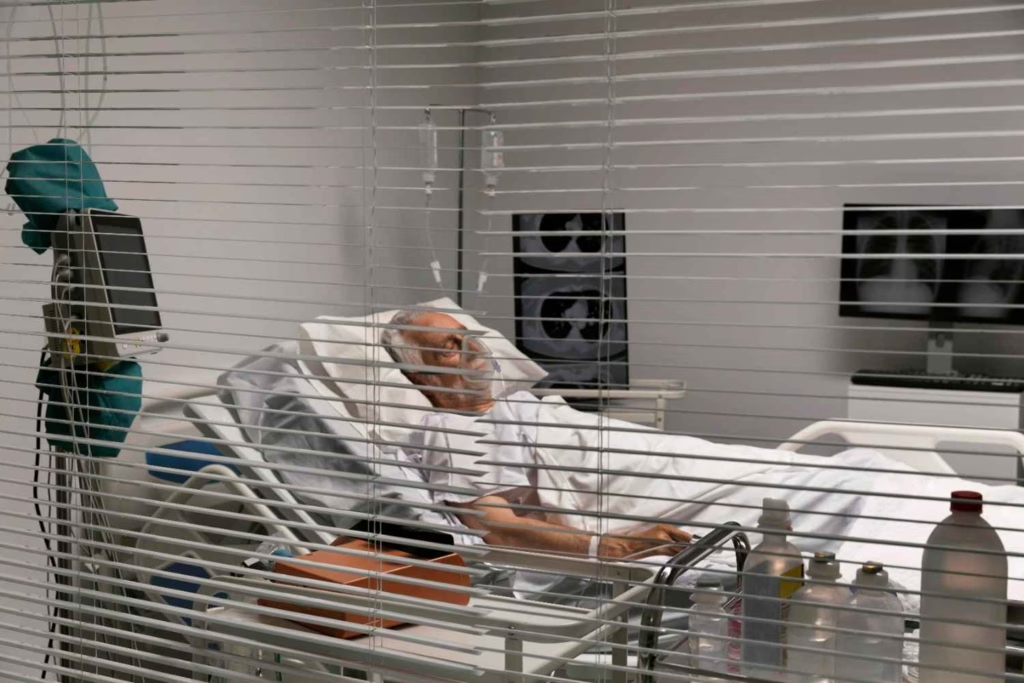
When someone is very sick or very old, families often begin to notice changes. These changes can be confusing and sometimes scary. Many people ask, “Are these signs that the end of life is near?” Understanding these signs can help families feel more prepared and less afraid. The body does not stop all at once. It slowly changes over time. These changes are part of a natural process. Knowing what to expect can help families focus on comfort, care, and spending meaningful time together. This guide explains the common signs in simple words so anyone can understand.
Table of Contents
- Why It Is Important to Recognize the Signs
- How the Body Slows Down
- Changes in Energy Levels
- Sleeping More Often
- Loss of Appetite and Thirst
- Changes in Breathing
- Changes in Skin and Body Temperature
- Changes in Movement and Strength
- Changes in Awareness and Communication
- Emotional and Mental Changes
- Changes in Bathroom Habits
- Signs in the Final Days and Hours
- Why These Changes Are Natural
- How Families Can Help
- A Word from Dr. Zara
- Frequently Asked Questions
Why It Is Important to Recognize the Signs
Recognizing the signs that the end of life may be near can help families prepare. It allows them to understand what is happening and reduces fear.
When people do not know what to expect, they may feel confused or worried. They may think something is wrong or that the person is suffering more than they are.
Understanding these signs helps families stay calm. It helps them focus on comfort, care, and being present with their loved one.
It also allows time for important moments, like talking, sharing memories, or simply sitting together quietly.
How the Body Slows Down
The body is made up of many systems that work together. These include the heart, lungs, brain, and muscles.
As a person nears the end of life, these systems begin to slow down.
The body uses less energy. It does not need as much food or water. It moves less and rests more.
This slowing down is not sudden. It happens step by step.
Each person is different, but many people show similar signs.
Changes in Energy Levels
One of the first signs families may notice is a drop in energy.
The person may feel tired most of the time. They may not want to do activities they used to enjoy.
Even small tasks like talking, sitting up, or eating may feel exhausting.
They may spend more time resting or lying down.
This happens because the body no longer has the strength it once had.
Sleeping More Often
As energy levels drop, the person may sleep much more.
They may nap during the day and sleep longer at night.
Sometimes they may be hard to wake up.
This can worry families, but it is a normal part of the process.
The body is saving energy and moving toward rest.
Even if the person is sleeping, being nearby can still bring comfort.
Loss of Appetite and Thirst
Another common sign is eating and drinking less.
The person may say they are not hungry or not thirsty.
They may take only small bites or sips, or refuse food altogether.
This can be difficult for families to see. Feeding is often seen as a way to care.
But at this stage, the body does not need as much food.
Forcing food can cause discomfort.
It is better to offer small amounts and focus on comfort.
Changes in Breathing
Breathing patterns often change near the end of life.
The person may breathe more slowly or unevenly.
There may be pauses between breaths.
Sometimes breathing may sound noisy or like a soft rattling sound.
This happens because the body is no longer controlling breathing in the same way.
Even though it may look uncomfortable, it does not always mean the person is in pain.
Care teams can help manage comfort.
Changes in Skin and Body Temperature
The skin may also change.
Hands and feet may feel cold.
The skin may look pale, bluish, or patchy.
This happens because blood flow is slowing down.
The body sends blood to important organs and less to the outer areas.
The person may also feel warmer or cooler at times.
Keeping them comfortable with blankets or light clothing can help.
Changes in Movement and Strength
As the body weakens, movement becomes harder.
The person may need help to sit, stand, or turn.
They may spend most of their time in bed.
Muscles become weaker, and the body feels heavy.
This is a natural part of the body slowing down.
Helping the person change position gently can improve comfort.
Changes in Awareness and Communication
Awareness may change as the end of life approaches.
The person may talk less or not respond as much.
They may seem confused or not recognize people.
Sometimes they may say things that do not make sense.
At times, they may become very quiet.
Even if they are not responding, they may still hear voices.
Speaking gently and calmly can still provide comfort.
Emotional and Mental Changes
The person may also go through emotional changes.
They may feel calm and peaceful at times.
Other times, they may feel worried or restless.
Some people may talk about seeing people or places that are not there.
This can be part of the body and mind preparing for the end.
It is important to stay calm and supportive.
Holding a hand or speaking softly can help.
Changes in Bathroom Habits
The body may also change how it handles waste.
The person may urinate less because they are drinking less.
Bowel movements may become less frequent.
Sometimes control over bladder or bowels may be lost.
This can be uncomfortable for families, but it is normal.
Caregivers can help keep the person clean and comfortable.
Signs in the Final Days and Hours
In the last days or hours, changes become more clear.
The person may:
- Sleep almost all the time
- Stop eating and drinking completely
- Have very slow or irregular breathing
- Become unresponsive
There may be long pauses between breaths.
The body is now in its final stage.
This can be a quiet and peaceful time.
Families may choose to sit nearby, hold hands, or speak gently.
Why These Changes Are Natural
All these signs are part of a natural process.
The body is slowly shutting down.
It is not something that needs to be stopped.
Understanding this can help families feel less afraid.
The goal is not to fight these changes, but to support comfort.
How Families Can Help
Families play a very important role.
They can help by:
- Staying calm
- Speaking gently
- Offering comfort
- Being present
They do not need to do anything complicated.
Simple actions like sitting nearby or holding a hand can mean a lot.
Why Understanding Helps
Understanding these signs helps families feel more prepared.
It reduces fear and confusion.
It allows them to focus on what truly matters.
That is comfort, care, and connection.
A Word from Dr. Zara
Seeing these changes can be emotional, but they are a natural part of life. Understanding them helps families focus on comfort and meaningful moments. The goal is not to stop the process, but to support the person with dignity and care.
Frequently Asked Questions
1. Are these signs the same for everyone?
No, each person is different.
2. Is loss of appetite normal?
Yes, it is very common.
3. Can the person still hear?
Yes, hearing may still be present.
4. Are breathing changes painful?
Not always. Care teams help manage comfort.
5. What should families do most?
Stay calm and provide comfort.