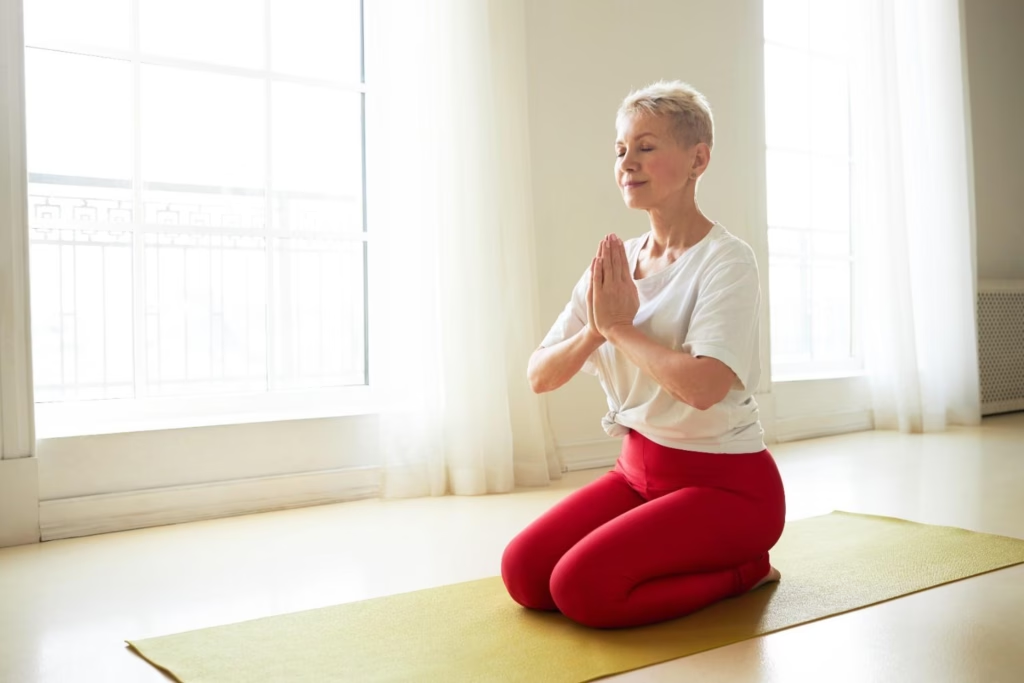
As people grow older, life often becomes quieter on the surface but more complex internally. Physical changes, health concerns, emotional losses, and shifts in daily routine can create persistent stress and mental fatigue. While these challenges are a natural part of aging, chronic stress and mental overload are not. Mindfulness and relaxation practices offer older adults practical and powerful tools to calm the mind, ease the body, and restore emotional balance. These practices are not about emptying the mind or achieving perfection. They are about learning how to be present, gentle, and compassionate with oneself.
Mindfulness and relaxation play a critical role in elder care because they support both mental and physical health. Research shows that regular mindfulness practices reduce anxiety, improve sleep, lower blood pressure, decrease chronic pain, and enhance emotional resilience. For older adults, mindfulness creates space to process emotions, accept change, and experience peace even during uncertainty. Understanding how mindfulness and relaxation work, and how they can be integrated into daily life, can significantly improve quality of life in later years.
Table of Contents
- Understanding Mindfulness and Relaxation
- Why Mindfulness Matters in Older Age
- The Impact of Stress on Aging Adults
- How Mindfulness Supports Mental Health
- Physical Benefits of Relaxation Practices
- Common Mindfulness Techniques for Seniors
- Relaxation Methods That Calm the Body
- Mindfulness for Chronic Pain and Illness
- Overcoming Barriers to Mindfulness Practice
- Creating a Daily Mindfulness Routine
- The Role of Caregivers and Healthcare Providers
- A Word from Dr. Zara
- Frequently Asked Questions
Understanding Mindfulness and Relaxation
Mindfulness is the practice of paying attention to the present moment with openness and without judgment. It involves noticing thoughts, emotions, bodily sensations, and surroundings as they are, rather than resisting or reacting to them. Relaxation refers to techniques that calm the nervous system and reduce physical tension. While mindfulness and relaxation are closely related, mindfulness emphasizes awareness, while relaxation emphasizes physical and mental calm.
For older adults, mindfulness is not about sitting for long periods or clearing the mind completely. It can be practiced while walking, breathing, eating, or simply sitting quietly. Relaxation can occur through gentle breathing, listening to calming music, or resting the body intentionally. Together, these practices support balance and inner stability.
Why Mindfulness Matters in Older Age
Aging brings increased vulnerability to stress due to health changes, loss, and uncertainty. The mind may dwell on past regrets or future worries, which can intensify emotional distress. Mindfulness helps older adults stay grounded in the present moment, reducing unnecessary mental suffering.
Practicing mindfulness allows seniors to respond to challenges rather than react impulsively. It improves emotional regulation and reduces the intensity of anxiety and fear. Over time, mindfulness strengthens emotional resilience and promotes acceptance, which is especially valuable in later life.
The Impact of Stress on Aging Adults
Chronic stress has a profound effect on aging bodies and minds. Prolonged stress increases inflammation, weakens the immune system, disrupts sleep, and worsens chronic conditions such as heart disease, diabetes, and arthritis. Emotionally, stress contributes to anxiety, depression, irritability, and cognitive decline.
Older adults may experience stress related to health concerns, financial worries, caregiving responsibilities, or loneliness. Without healthy coping strategies, stress accumulates and reduces quality of life. Mindfulness and relaxation directly counteract the stress response by calming the nervous system and restoring balance.
How Mindfulness Supports Mental Health
Mindfulness supports mental health by creating awareness of thoughts and emotions without becoming overwhelmed by them. Older adults often carry emotional memories and unresolved experiences. Mindfulness allows these thoughts to be observed without judgment, reducing their emotional power.
Regular mindfulness practice has been shown to reduce symptoms of depression and anxiety. It improves focus, attention, and emotional clarity. By staying present, seniors can experience moments of peace even during difficult circumstances. Mindfulness also promotes self compassion, which protects against self criticism and emotional exhaustion.
Physical Benefits of Relaxation Practices
Relaxation techniques have measurable physical benefits. Slow, deep breathing activates the parasympathetic nervous system, which lowers heart rate and blood pressure. Muscle relaxation reduces tension and discomfort. Regular relaxation improves sleep quality and digestion.
For older adults, relaxation practices can ease chronic pain by reducing muscle tightness and stress related pain amplification. Improved circulation and oxygen flow support overall physical health. These benefits accumulate over time and contribute to healthier aging.
Common Mindfulness Techniques for Seniors
Mindful breathing is one of the simplest and most effective practices. Focusing on the natural rhythm of breathing anchors attention in the present moment. Even a few minutes of mindful breathing can reduce anxiety.
Body awareness practices involve noticing physical sensations without judgment. This helps older adults reconnect with their bodies in a gentle and respectful way. Mindful walking encourages awareness of movement, balance, and surroundings, turning simple activity into a calming practice.
Mindful eating involves paying attention to taste, texture, and sensation during meals. This enhances enjoyment and supports healthier digestion.
Relaxation Methods That Calm the Body
Progressive muscle relaxation involves gently tensing and releasing muscle groups to reduce physical tension. This technique is especially helpful for older adults with chronic stiffness or pain. Guided imagery uses calming mental images to promote relaxation and emotional comfort.
Listening to calming music or nature sounds can soothe the nervous system. Warm baths, gentle stretching, and quiet rest also support relaxation. These methods are accessible and can be easily incorporated into daily routines.
Mindfulness for Chronic Pain and Illness
Chronic pain is common in older adults and often worsened by stress and emotional tension. Mindfulness helps reduce pain perception by changing the relationship to discomfort. Rather than resisting pain, mindfulness encourages observing sensations with acceptance, which reduces suffering.
For chronic illness, mindfulness supports emotional coping and reduces fear related to symptoms. It helps older adults feel more in control and less defined by their condition. Mindfulness does not replace medical treatment but complements it by supporting emotional well being.
Overcoming Barriers to Mindfulness Practice
Some older adults believe mindfulness is too difficult or unfamiliar. Others worry about doing it incorrectly. Mindfulness does not require special skills or equipment. It begins with simple awareness.
Physical discomfort, restlessness, or wandering thoughts are normal. Short practices are often more effective than long sessions. Guidance from recordings, classes, or healthcare providers can help build confidence.
Creating a Daily Mindfulness Routine
Consistency is more important than duration. Practicing mindfulness for a few minutes each day builds lasting benefits. Choosing a regular time and comfortable setting supports routine formation.
Mindfulness can be integrated into daily activities such as breathing before sleep, walking, or enjoying a meal. Over time, mindfulness becomes a natural way of relating to life rather than a separate task.
The Role of Caregivers and Healthcare Providers
Caregivers and healthcare providers play an important role in encouraging mindfulness and relaxation. Education, reassurance, and modeling calm behavior support adoption. Group practices and guided sessions increase accessibility.
Mindfulness programs tailored for older adults are increasingly available and can be safely adapted for physical limitations. Supportive guidance ensures that practices are beneficial and sustainable.
A Word from Dr. Zara
Mindfulness and relaxation are powerful tools for aging with grace and balance. They help calm the mind, ease the body, and strengthen emotional resilience. I encourage older adults to approach these practices gently and without pressure. Even a few mindful moments each day can create profound changes in well being.
Frequently Asked Questions
- Can mindfulness really help older adultsYes, research shows significant benefits for mental and physical health.
- How long should mindfulness be practicedEven five to ten minutes daily can be effective.
- Is mindfulness safe for everyoneYes, when practiced gently and adapted to individual needs.
- Can mindfulness reduce painIt can reduce pain perception and emotional distress related to pain.
- Do I need special training to practice mindfulnessNo, simple awareness practices are enough to begin.