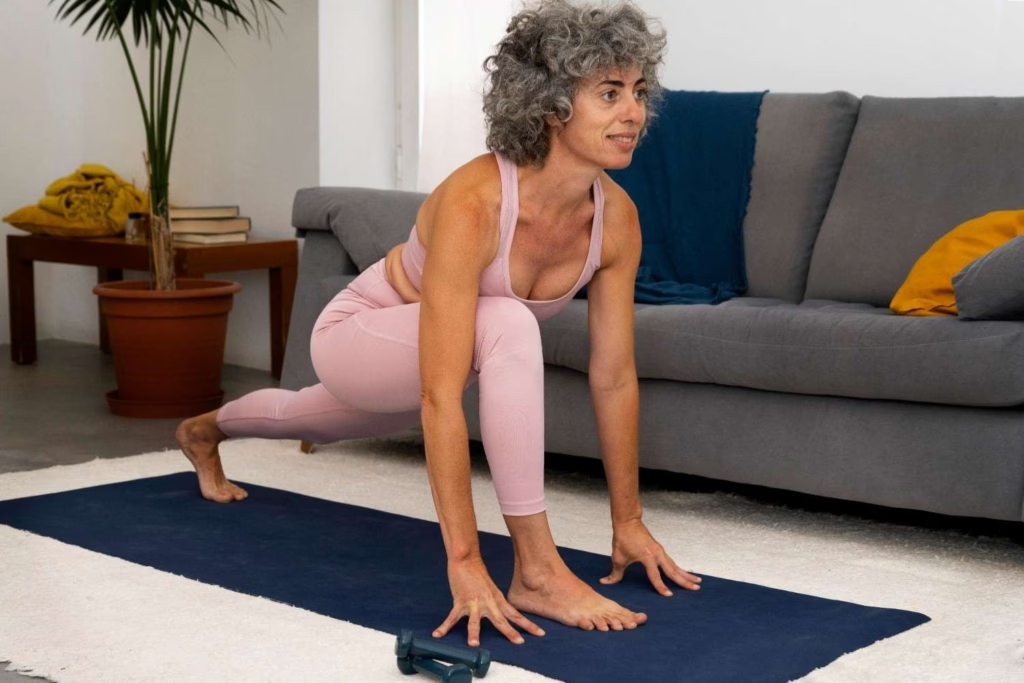
Physical activity is one of the most powerful tools for healthy aging, yet it is often underestimated or avoided due to fear of injury, pain, or fatigue. As people grow older, the body naturally undergoes changes in muscle mass, bone density, flexibility, balance, and cardiovascular endurance. While these changes are a normal part of aging, inactivity accelerates them and increases the risk of chronic disease, disability, and loss of independence. Regular physical activity, when adapted to individual ability, can slow physical decline, improve mental health, and significantly enhance quality of life for older adults.
Staying physically active does not require intense workouts or athletic ability. For aging adults, movement is about consistency, safety, and function. Whether it is walking, stretching, strength training, or balance exercises, physical activity supports not only the body but also emotional well being, cognitive health, and social engagement. Understanding how physical activity benefits aging adults and how to incorporate it safely into daily life is essential for long term health and independence.
Table of Contents
What Physical Activity Means for Aging AdultsWhy Physical Activity Is Essential in Older AgePhysical Changes That Occur With AgingBenefits of Regular Physical Activity for SeniorsCardiovascular Health and EnduranceMuscle Strength and Bone HealthBalance, Flexibility, and Fall PreventionMental Health and Cognitive BenefitsTypes of Physical Activity Suitable for Older AdultsAerobic ActivitiesStrength TrainingFlexibility and StretchingBalance Focused ExercisesOvercoming Common Barriers to Exercise in Older AgeSafety Considerations and Injury PreventionCreating a Sustainable Physical Activity RoutineThe Role of Healthcare Providers and CaregiversA Word from Dr. ZaraFrequently Asked Questions
What Physical Activity Means for Aging Adults
Physical activity for aging adults refers to any movement that engages the muscles and increases energy use above resting levels. This includes structured exercise as well as everyday activities such as walking, gardening, cleaning, or climbing stairs. The goal is not perfection or intensity, but regular movement that supports strength, mobility, and function.
As people age, the focus of physical activity shifts from performance to preservation. Movement helps older adults maintain independence, perform daily tasks with ease, and reduce reliance on others. Physical activity also supports confidence and self efficacy, reinforcing the belief that the body is still capable and adaptable.
Why Physical Activity Is Essential in Older Age
Aging does not mean slowing down completely. In fact, inactivity is one of the greatest threats to health in later life. Prolonged inactivity contributes to muscle loss, joint stiffness, reduced balance, poor circulation, and increased risk of chronic disease. It also accelerates cognitive decline and emotional distress.
Regular physical activity improves circulation, supports metabolism, and keeps joints lubricated. It enhances immune function and reduces inflammation, which is closely linked to aging related diseases. Older adults who remain physically active tend to live longer, experience fewer hospitalizations, and maintain better overall function.
Physical Changes That Occur With Aging
As the body ages, muscle mass naturally declines in a process known as sarcopenia. Bone density decreases, increasing the risk of fractures. Joints may become stiffer due to reduced cartilage and fluid. Balance and coordination may weaken as sensory systems change. Heart and lung efficiency may also decline.
These changes are influenced by genetics, lifestyle, and health conditions, but physical activity can slow many of them. While aging cannot be stopped, the rate and impact of physical decline can be significantly reduced through regular movement.
Benefits of Regular Physical Activity for Seniors
Physical activity provides wide ranging benefits that extend beyond physical strength. One of the most important benefits is improved cardiovascular health. Activities that elevate the heart rate strengthen the heart muscle, improve circulation, and help regulate blood pressure and cholesterol levels. This reduces the risk of heart disease and stroke.
Muscle strengthening exercises preserve lean muscle mass and improve functional strength. Strong muscles support joints, improve posture, and reduce the risk of falls. Weight bearing activities also stimulate bone growth, helping to slow bone loss and reduce fracture risk.
Balance and flexibility exercises enhance coordination and joint range of motion. Improved balance is especially important for fall prevention, which is a major concern in older adults. Falls are a leading cause of injury and loss of independence, and physical activity is one of the most effective preventive strategies.
Mental health also benefits greatly from physical activity. Regular movement reduces symptoms of depression and anxiety, improves sleep quality, and boosts mood through the release of endorphins. Physical activity also supports cognitive health by improving blood flow to the brain and stimulating neural connections.
Types of Physical Activity Suitable for Older Adults
Aerobic activities improve heart and lung function and can be adapted to all fitness levels. Walking is one of the most accessible forms of aerobic exercise and can be done indoors or outdoors. Swimming and water based exercises are gentle on joints while providing excellent cardiovascular benefits. Cycling on a stationary bike is another safe option for many seniors.
Strength training is essential for preserving muscle and bone health. This can include body weight exercises, resistance bands, or light weights. Strength exercises should target major muscle groups and be performed with proper technique. Even small improvements in strength can make daily activities easier and safer.
Flexibility and stretching exercises maintain joint mobility and reduce stiffness. Gentle stretching improves posture and reduces discomfort. Stretching should be done slowly and comfortably, without forcing movements.
Balance focused exercises help improve stability and coordination. Activities such as standing on one foot, heel to toe walking, or gentle forms of yoga and tai chi enhance balance and body awareness. These exercises are especially valuable for fall prevention.
Overcoming Common Barriers to Exercise in Older Age
Many older adults avoid physical activity due to fear of injury, pain, fatigue, or lack of confidence. Chronic conditions such as arthritis or heart disease may also create uncertainty about what is safe. Others may feel unmotivated or unsure where to start.
Education and reassurance are key to overcoming these barriers. Physical activity can be adapted to nearly every condition and ability level. Starting slowly and progressing gradually builds confidence and reduces fear. Choosing enjoyable activities increases motivation and consistency.
Social support also plays an important role. Exercising with a friend, joining a class, or participating in community programs makes physical activity more engaging and sustainable.
Safety Considerations and Injury Prevention
Safety is essential when promoting physical activity in older adults. Proper footwear, supportive surfaces, and appropriate equipment reduce injury risk. Warm up and cool down periods prepare the body for movement and prevent muscle strain.
Listening to the body is important. Pain, dizziness, or shortness of breath should never be ignored. Activities should be adjusted based on daily energy levels and health status. Hydration and proper nutrition support safe exercise.
Consulting a healthcare provider before starting a new exercise routine is especially important for individuals with chronic conditions or recent health events. Professional guidance ensures that physical activity is safe and effective.
Creating a Sustainable Physical Activity Routine
Consistency is more important than intensity. A sustainable routine fits naturally into daily life and feels achievable. Setting realistic goals and tracking progress helps maintain motivation. Variety prevents boredom and supports overall fitness.
Integrating movement into daily activities is an effective strategy. Walking instead of sitting, stretching while watching television, or doing light exercises during breaks keeps the body active throughout the day. Physical activity should be seen as a lifelong habit rather than a temporary task.
The Role of Healthcare Providers and Caregivers
Healthcare providers play a crucial role in encouraging physical activity among older adults. Clear guidance, reassurance, and individualized recommendations empower seniors to stay active safely. Caregivers can support physical activity by encouraging movement, assisting with exercises, and creating safe environments.
Positive reinforcement and patience are essential. Every movement counts, and progress should be celebrated rather than compared.
A Word from Dr. Zara
Physical activity is one of the most powerful medicines for aging adults. Movement preserves strength, independence, and dignity. It is never too late to start. Even small amounts of regular activity can transform health and quality of life. I encourage every older adult to move in a way that feels safe and enjoyable, and to seek guidance when needed.
Frequently Asked Questions
- Is it safe to exercise with chronic illnessYes, with proper guidance and modification, physical activity is safe and beneficial for most chronic conditions.
- How often should older adults exerciseMost should aim for some form of movement daily, with structured exercise several times per week.
- Can physical activity really prevent fallsYes, balance and strength exercises significantly reduce fall risk.
- Is it too late to start exercising after sixty fiveNo, benefits occur at any age when activity is started safely.
- What is the best exercise for seniorsThe best exercise is one that is safe, enjoyable, and done consistently.