Maintaining mobility is essential for independence, dignity, and quality of life in older adults. As individuals age, changes in muscle strength, balance, joint flexibility, and coordination can make walking and performing daily tasks more challenging. Chronic conditions such as arthritis, stroke, neuropathy, Parkinson’s disease, and osteoporosis further affect mobility and increase the risk of falls. Mobility aids and assistive devices are designed to support movement, enhance safety, and allow seniors to remain active and self-reliant.
Many older adults hesitate to use mobility aids due to concerns about appearance or fear of losing independence. In reality, these devices promote independence by preventing injuries and reducing strain on the body. Properly selected and fitted mobility aids provide stability, reduce pain, conserve energy, and allow individuals to continue engaging in social and physical activities.
Choosing the right mobility aid requires professional assessment and personalized consideration. Factors such as balance, upper body strength, home layout, and medical conditions influence device selection. Education about proper use and maintenance ensures safety and effectiveness. With the right support, mobility aids can significantly improve confidence and daily functioning.
Early intervention is important. Waiting until after a serious fall or injury may limit options and delay recovery. Proactively addressing mobility challenges allows older adults to adapt safely and maintain independence for as long as possible.
Table of Contents
Understanding Mobility Changes in Older Adults
Common Causes of Mobility Limitations
Risk Factors
Symptoms and Complications
Assessment and Evaluation
Types of Mobility Aids
Assistive Devices for Daily Living
Proper Fitting and Safe Usage
Psychological Considerations
Support and Caregiver Strategies
A Word from Dr. Zara
Frequently Asked Questions
Understanding Mobility Changes in Older Adults
Aging naturally affects the musculoskeletal and nervous systems. Muscle mass gradually decreases, a process known as sarcopenia. Joint cartilage may wear down, leading to stiffness and discomfort. Reaction times slow, and balance mechanisms become less efficient.
Chronic medical conditions can accelerate mobility decline. Neurological disorders may impair coordination, while arthritis reduces joint flexibility. Cardiovascular conditions may cause fatigue, limiting endurance.
Mobility limitations are not simply physical challenges. They can affect emotional wellbeing, confidence, and social participation. Addressing these changes early with supportive devices helps maintain independence and prevent complications.
Common Causes of Mobility Limitations
Arthritis is one of the leading causes of reduced mobility in seniors. Joint pain and stiffness limit movement and endurance. Stroke may result in weakness or paralysis on one side of the body, affecting walking ability.
Neuropathy, often related to diabetes, reduces sensation in the feet, increasing instability. Parkinson’s disease affects coordination and balance. Osteoporosis increases fracture risk, leading to cautious movement and fear of falling.
Injuries, surgeries, and prolonged hospitalizations can also contribute to muscle weakness and deconditioning. Identifying the underlying cause guides appropriate device selection and rehabilitation strategies.
Risk Factors
Advancing age, sedentary lifestyle, chronic illness, and poor nutrition increase the likelihood of mobility decline. Previous falls often result in fear and reduced activity, which further weakens muscles.
Improper footwear, visual impairments, and home hazards may exacerbate mobility difficulties. Cognitive impairment may also affect safe device usage.
Understanding risk factors allows healthcare providers to recommend preventive measures before significant functional loss occurs.
Symptoms and Complications
Mobility limitations may present as difficulty standing from a seated position, unsteady walking, reduced walking speed, or frequent stumbling. Fatigue during short distances and joint pain may also occur.
If left unaddressed, mobility decline can lead to falls, fractures, muscle atrophy, and social isolation. Reduced physical activity increases the risk of cardiovascular disease and depression.
Timely intervention with assistive devices and rehabilitation reduces these complications and supports overall health.
Assessment and Evaluation
Professional evaluation is essential before selecting a mobility aid. A healthcare provider or physical therapist assesses balance, muscle strength, gait pattern, coordination, and endurance.
The evaluation may include walking tests, balance assessments, and review of medical history. Home layout and daily routines are also considered to ensure compatibility with the chosen device.
Accurate assessment ensures that the selected mobility aid provides adequate support without causing additional strain or safety concerns.
Types of Mobility Aids
Mobility aids range from simple to advanced devices. Canes provide minimal support and are suitable for mild balance issues. Walkers offer greater stability and are ideal for individuals with significant weakness or balance problems.
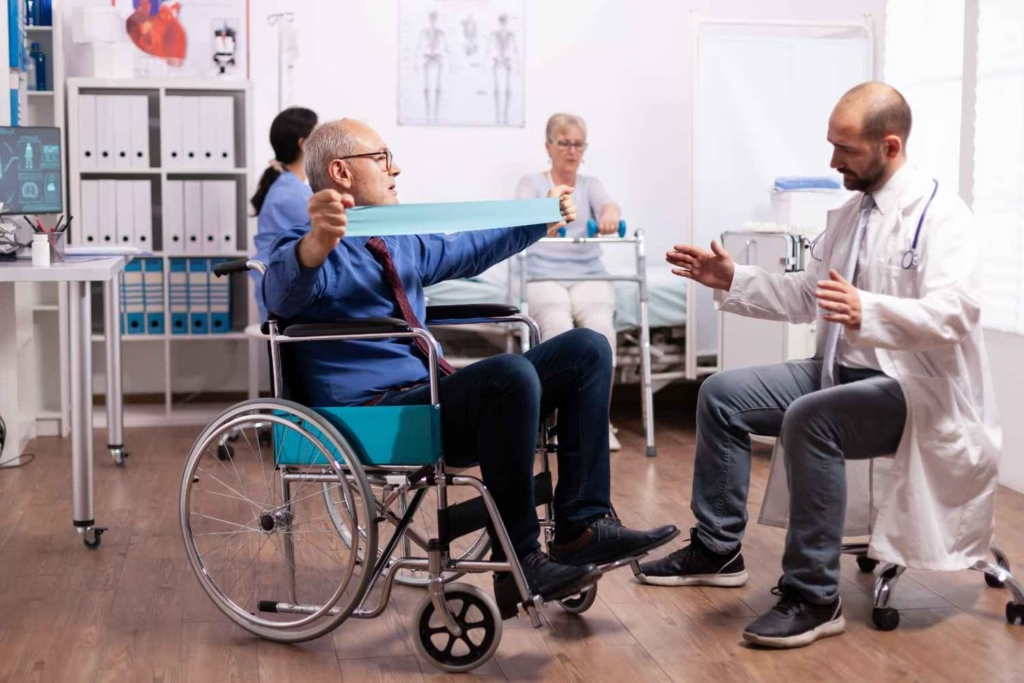
Rollators, which include wheels and brakes, provide mobility and rest support. Wheelchairs are appropriate for individuals with limited weight-bearing ability or severe mobility impairment. Mobility scooters may benefit those with endurance limitations but sufficient upper body strength.
Each device serves a specific purpose, and proper selection enhances safety and independence.
Assistive Devices for Daily Living
Beyond walking aids, assistive devices support daily activities. Grab bars in bathrooms reduce fall risk. Raised toilet seats and shower chairs improve safety during personal care.
Reachers and adaptive tools help individuals retrieve objects without bending or straining. Orthopedic footwear and supportive braces may enhance stability.
These devices work together to create a supportive environment that minimizes injury risk and promotes self-sufficiency.
Proper Fitting and Safe Usage
Correct fitting is crucial for safety. A cane should reach the wrist when the arm is relaxed at the side. Walkers must be adjusted to allow slight elbow flexion.
Training on proper technique prevents misuse and injury. For example, canes should be held on the stronger side of the body. Brakes on rollators must be used appropriately to prevent rolling accidents.
Regular inspection and maintenance ensure that devices remain safe and functional. Worn tips, loose screws, or damaged wheels should be repaired promptly.
Psychological Considerations
Some seniors resist mobility aids due to fear of stigma or perceived loss of independence. Education helps reframe these devices as tools for empowerment rather than symbols of frailty.
Using a mobility aid often increases confidence by reducing fear of falling. This confidence encourages greater participation in social and physical activities.
Open discussions with healthcare providers and family members can ease emotional resistance and promote acceptance.
Support and Caregiver Strategies
Caregivers play a supportive role in mobility management. They can assist with device selection, ensure proper use, and monitor for changes in mobility status.
Encouraging consistent use of prescribed devices enhances safety. Caregivers should also observe for signs of discomfort, improper fitting, or reluctance to use aids.
Collaborative communication between seniors, caregivers, and healthcare providers ensures ongoing evaluation and adjustment as needs evolve.
A Word from Dr. Zara
Mobility aids are not signs of weakness; they are tools that protect independence and prevent injury. Early assessment and proper device selection can dramatically improve safety and confidence. I encourage older adults experiencing difficulty with balance or walking to seek professional evaluation rather than waiting for a fall to occur. With the right support, mobility challenges can be managed effectively. I am a qualified physician and welcome your questions via email at drzaramulla@gmail.com or on Instagram @drzaramulla.
Frequently Asked Questions
- When should an older adult start using a mobility aidWhen balance, strength, or endurance decline enough to increase fall risk or limit daily activities.
- Is using a cane enough to prevent fallsA cane helps mild instability, but significant balance issues may require a walker or other device.
- Can mobility aids weaken musclesNo, when used appropriately alongside exercise, they support safe movement without causing weakness.
- Should mobility aids be professionally fittedYes, proper fitting ensures safety, comfort, and effectiveness.
- How can caregivers encourage device useBy providing reassurance, education, and consistent support while respecting independence.