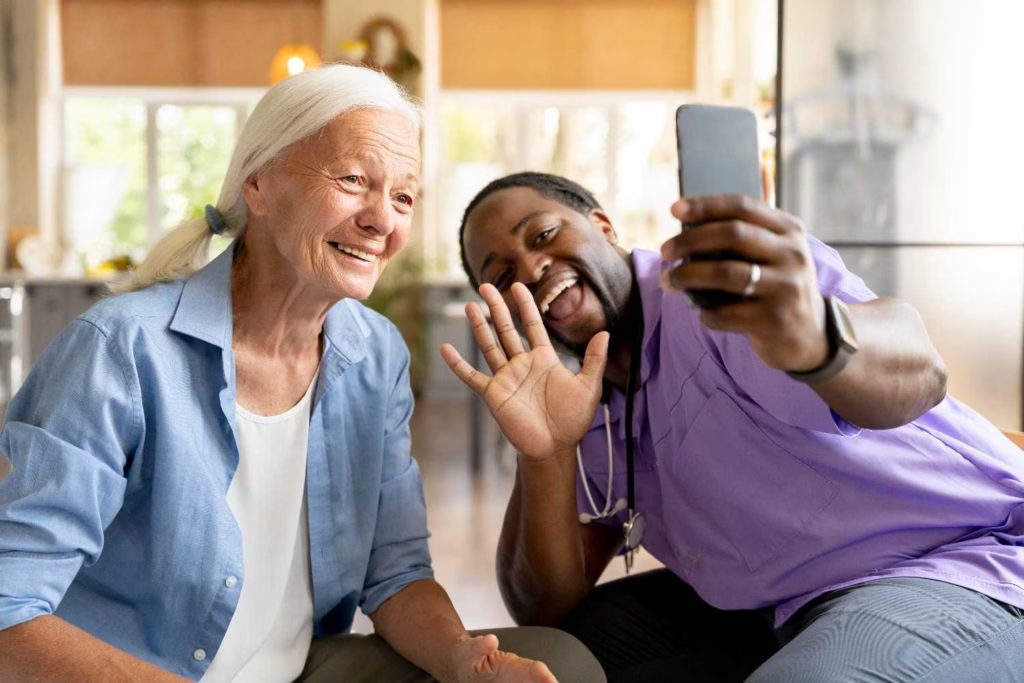
Social connection is a basic human need, just like food, sleep, and safety. Yet for many older adults, social interactions gradually decrease with age due to retirement, health issues, mobility limitations, loss of loved ones, or changes in living situations. Maintaining social connections in later life is not just about companionship. It is a powerful factor that directly affects mental health, physical health, emotional wellbeing, and even longevity.
Strong social relationships help older adults feel valued, supported, and engaged with life. On the other hand, prolonged loneliness and social isolation are associated with higher risks of depression, anxiety, cognitive decline, heart disease, and premature death. Understanding why social connections matter, the challenges elders face, and practical ways to stay connected can significantly improve quality of life.
Table of Contents
- What Are Social Connections?
- Why Social Connections Are Important in Old Age
- Common Causes of Social Disconnection in the Elderly
- Physical and Mental Health Effects of Social Isolation
- Signs of Social Isolation in Older Adults
- Benefits of Strong Social Relationships
- Ways Older Adults Can Maintain Social Connections
- Role of Family and Caregivers
- Technology and Social Connection
- Community Programs and Support Groups
- Overcoming Barriers to Social Interaction
- Prevention and Long-Term Strategies
- A Word from Dr. Zara
- Frequently Asked Questions (FAQs)
What Are Social Connections?
Social connections refer to meaningful interactions and relationships with family members, friends, neighbors, colleagues, and the broader community. These connections can be emotional, social, or practical, such as having someone to talk to, share experiences with, or rely on during difficult times.
For older adults, social connections may include regular conversations with loved ones, participation in community activities, religious involvement, volunteering, or even casual interactions like greeting neighbors or chatting with shopkeepers. The quality of these connections often matters more than the number.
Why Social Connections Are Important in Old Age
As people age, life circumstances change. Retirement may reduce daily interaction with coworkers. Children may move away. Physical limitations can restrict mobility. These changes make intentional social engagement more important than ever.
Social connections help older adults maintain a sense of identity, purpose, and belonging. Feeling connected reduces stress hormones, supports immune function, and improves emotional resilience. Studies consistently show that socially connected seniors live longer and experience better overall health than those who are isolated.
Common Causes of Social Disconnection in the Elderly
Several factors contribute to reduced social interaction in later life.
Loss of Loved Ones
The death of a spouse, siblings, or close friends can drastically shrink a social circle and create emotional withdrawal.
Retirement
Work often provides routine, purpose, and daily social contact. Retirement may suddenly remove these interactions.
Health and Mobility Issues
Chronic illness, pain, hearing loss, vision problems, or difficulty walking can make social activities challenging.
Transportation Barriers
Inability to drive or limited access to public transport reduces opportunities to meet others.
Living Alone
Older adults living alone are more vulnerable to social isolation, especially if family lives far away.
Physical and Mental Health Effects of Social Isolation
Social isolation is not just an emotional issue. It has serious health consequences.
Physically, loneliness increases the risk of high blood pressure, heart disease, stroke, obesity, and weakened immunity. Socially isolated older adults are also more likely to have poor sleep and reduced physical activity.
Mentally, isolation raises the risk of depression, anxiety, memory problems, and dementia. Lack of stimulation and meaningful interaction accelerates cognitive decline and emotional distress.
Signs of Social Isolation in Older Adults
Recognizing early signs helps prevent long-term consequences.
Common warning signs include:
- Loss of interest in hobbies or activities
- Avoiding social invitations
- Increased irritability or sadness
- Decline in personal hygiene
- Changes in sleep or appetite
- Frequent complaints of loneliness
- Spending most days without speaking to anyone
Benefits of Strong Social Relationships
Maintaining social connections provides numerous benefits:
- Improved mood and emotional stability
- Better cognitive function and memory
- Lower stress and anxiety levels
- Increased motivation to stay physically active
- Stronger immune system
- Greater sense of purpose and self-worth
Older adults with strong social networks are more likely to adhere to medical treatments and maintain healthy routines.
Ways Older Adults Can Maintain Social Connections
There are many practical ways seniors can stay socially engaged.
Stay In Touch With Family and Friends
Regular phone calls, video chats, or visits help maintain emotional bonds.
Join Community Activities
Senior centers, religious groups, exercise classes, and hobby clubs offer opportunities for interaction.
Volunteer
Volunteering provides purpose and social contact while contributing to the community.
Pursue Hobbies
Gardening, art, music, book clubs, or group classes encourage shared interests and conversation.
Maintain Daily Social Habits
Simple routines like greeting neighbors or chatting with store staff add meaningful interaction.
Role of Family and Caregivers
Family members and caregivers play a crucial role in supporting social engagement. Encouraging participation, providing transportation, arranging visits, and checking in regularly can make a significant difference.
Listening without judgment and respecting independence helps older adults feel valued rather than dependent.
Technology and Social Connection
Technology has become a powerful tool for staying connected.
Video calls, messaging apps, and social media allow older adults to communicate with loved ones regardless of distance. Online classes, virtual support groups, and digital communities also provide social stimulation.
With basic training and support, many seniors adapt well to technology and enjoy the sense of connection it brings.
Community Programs and Support Groups
Community resources are vital for social engagement. These include:
- Senior activity centers
- Faith-based organizations
- Support groups for grief or chronic illness
- Adult education classes
- Local volunteering programs
Such programs foster belonging and shared experiences.
Overcoming Barriers to Social Interaction
Barriers like fear, low confidence, health concerns, or transportation issues can be addressed with gradual steps. Starting small, choosing accessible activities, and seeking assistance when needed helps rebuild social confidence.
Prevention and Long-Term Strategies
Maintaining social connections should be proactive and ongoing. Scheduling regular interactions, staying physically active, and nurturing relationships throughout life reduce the risk of isolation in later years.
A Word from Dr. Zara
Social connection is a powerful form of medicine. Loneliness can be as harmful as smoking or high blood pressure. I encourage older adults and families to prioritize meaningful relationships just as much as medical care. Staying connected keeps the mind sharp, the heart healthy, and life fulfilling. I am a qualified physician and welcome your questions in the comments or via email at drzaramulla@gmail.com. You can also connect with me on Instagram @drzaramulla.
Frequently Asked Questions (FAQs)
1. Is loneliness normal in old age?Loneliness is common but not normal or unavoidable. It can and should be addressed.
2. How often should older adults socialize?Regular interaction, even daily brief contact, is beneficial.
3. Can technology really help seniors feel connected?Yes, when used appropriately, it reduces loneliness and maintains relationships.
4. What if an older adult refuses social activities?Gentle encouragement and understanding their fears is key.
5. Does social connection affect physical health?Yes, strong social ties improve heart health, immunity, and longevity.