Caring for older adults is becoming more important every year as people live longer and face new health challenges. Many seniors want to stay independent, safe, and comfortable in their own homes, but they may need extra support to do so. Families often try their best, but they can feel overwhelmed, busy, or unsure of what to do. The good news is that today there are many innovative solutions that can make elderly care easier, safer, and more effective. These solutions are not only about advanced technology. They also include simple home changes, better caregiving systems, and stronger community support. The goal is to help older adults live with dignity, confidence, and independence for as long as possible.
Table of Contents
- Why Elderly Care Needs Innovation
- Common Challenges in Elderly Care
- Smart Home Technology for Seniors
- Wearable Devices and Health Monitoring
- Telehealth and Remote Care
- Home Modifications for Safety
- Community and Social Support Solutions
- Role of Caregivers and Family
- Simple Daily Life Innovations
- How to Choose the Right Solution
- When to Seek Professional Help
- Why Innovation Matters
- A Word from Dr. Zara
- Frequently Asked Questions
Why Elderly Care Needs Innovation
As people grow older, their bodies and minds go through natural changes. They may move more slowly, feel weaker, or forget things more easily. Tasks that were once simple, like walking up stairs, cooking, or even getting out of bed, can become harder over time.
At the same time, families may not always be available to provide full-time care. Some family members live far away, while others have jobs and responsibilities that limit their time. This creates a gap between what older adults need and the help they receive.
This is where innovation becomes important. Innovative solutions help fill this gap by making care easier and more efficient. They allow older adults to stay in their homes longer, reduce the risk of accidents, and provide peace of mind for both seniors and their families.
Innovation does not always mean something complicated. Sometimes, a simple change like better lighting or a medication reminder can improve safety and quality of life in a big way.
Common Challenges in Elderly Care
Understanding the challenges older adults face is the first step in improving care.
Many seniors experience physical challenges such as weak muscles, joint pain, and poor balance. These problems can make walking, standing, or even sitting down difficult. Falls are one of the biggest risks for older adults, and they can lead to serious injuries.
Mental challenges are also common. Some older adults may struggle with memory loss, confusion, or difficulty concentrating. This can make it harder to manage daily tasks, remember medications, or stay organized.
Another major challenge is loneliness. Many seniors live alone or have limited social interaction. This can lead to sadness, anxiety, and even depression.
Caregivers also face difficulties. They may feel tired, stressed, or unsure about how to provide the best care. Financial costs and lack of support can make caregiving even more challenging.
These problems show why better solutions are needed.
Smart Home Technology for Seniors
Smart home technology is one of the most useful modern solutions in elderly care. These tools help make homes safer and easier to manage.
For example, motion sensor lights can turn on automatically when someone enters a room. This helps prevent falls, especially at night. Smart door locks can ensure doors are secure, while video doorbells allow seniors to see who is outside without opening the door.
Voice assistants are also very helpful. Seniors can ask simple questions, set reminders, or call for help just by speaking.
Some useful smart home tools include:
- Motion sensor lighting
- Voice-controlled assistants
- Smart doorbells and cameras
- Automatic stove shut-off devices
These tools are designed to be simple and easy to use. They reduce risk and give both seniors and families a sense of security.
Wearable Devices and Health Monitoring
Wearable devices are small gadgets that can be worn on the wrist, neck, or clipped onto clothing. They are very helpful for monitoring health and safety.
These devices can track heart rate, steps, sleep, and physical activity. Some advanced devices can detect falls and send an alert to family members or emergency services.
For example, if an older adult falls and cannot get up, the device can automatically send a message for help. This can save lives in emergency situations.
Benefits of wearable devices include:
- Continuous health monitoring
- Fall detection
- Emergency alerts
- Activity tracking
- Medication reminders
These devices allow caregivers to stay informed without needing to be physically present all the time.
Telehealth and Remote Care
Telehealth is another important innovation. It allows older adults to speak with doctors through phone or video calls instead of visiting a clinic.
This is especially helpful for seniors who have difficulty traveling or live far from healthcare centers.
With telehealth, seniors can:
- Get medical advice from home
- Have regular check-ups
- Manage chronic conditions
- Avoid long waiting times
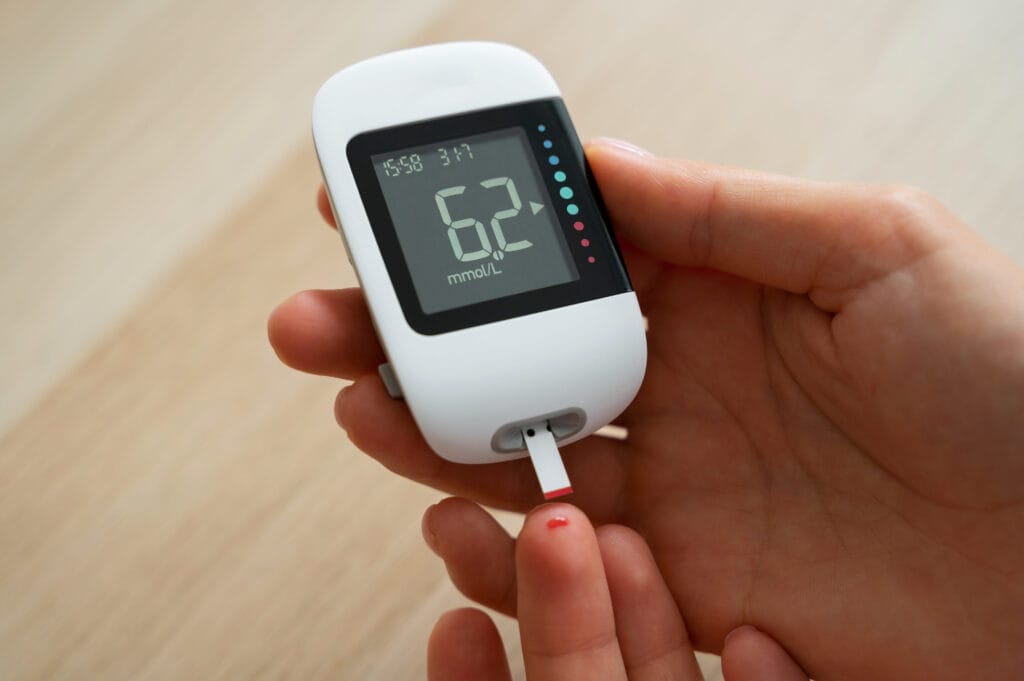
Remote care also includes devices like blood pressure monitors and glucose meters that send data directly to doctors.
This makes healthcare more accessible and reduces stress for both patients and caregivers.
Home Modifications for Safety
Sometimes, the most effective solutions are simple changes in the home environment.
Many homes are not designed for aging adults. Slippery floors, poor lighting, and high steps can increase the risk of accidents.
Simple home improvements can make a big difference:
- Installing grab bars in bathrooms
- Using non-slip mats
- Improving lighting in all rooms
- Removing loose rugs
- Using chairs with armrests
- Adjusting furniture for easier movement
These changes help prevent falls and make daily activities safer and easier.
Community and Social Support Solutions
Social connection is very important for older adults. Being alone for long periods can lead to loneliness and poor mental health.
Community programs can provide support and companionship. These may include senior centers, group activities, exercise classes, and social clubs.
Some communities also offer helpful services like:
- Meal delivery
- Transportation to appointments
- Home visits from caregivers
Even simple things like regular phone calls or visits from family members can improve emotional well-being.
Staying connected helps seniors feel valued, supported, and less isolated.
Role of Caregivers and Family
Caregivers and family members play a key role in elderly care. They provide emotional support, help with daily tasks, and ensure safety.
However, caregiving can be demanding. It is important for caregivers to take care of themselves as well.
They should:
- Take regular breaks
- Ask for help when needed
- Use available support services
- Stay informed about health conditions
Good caregiving is not about doing everything alone. It is about finding the right balance and support.
Simple Daily Life Innovations
Not all solutions require technology. Many simple tools can make daily life easier.
Examples include:
- Pill organizers to manage medication
- Large-print labels for better visibility
- Easy-grip kitchen tools
- Reminder notes and calendars
- Comfortable and supportive furniture
These small changes can reduce stress and improve independence.
How to Choose the Right Solution
Every older adult has different needs. It is important to choose solutions that match their lifestyle and abilities.
Consider factors such as:
- Physical health
- Mental condition
- Comfort with technology
- Budget
- Living environment
Start with simple solutions and gradually add more if needed.
The goal is to make life easier, not more complicated.
When to Seek Professional Help
There are times when professional help is necessary.
Seek help if:
- Falls happen frequently
- Daily tasks become too difficult
- Memory problems increase
- Health conditions worsen
- Caregiver stress becomes overwhelming
Professional support may include doctors, nurses, physiotherapists, or home care services.
Why Innovation Matters
Innovation in elderly care improves quality of life for both seniors and their families.
It helps older adults:
- Stay independent longer
- Feel safer at home
- Manage their health better
- Stay socially connected
It also reduces stress for caregivers and improves overall care.
A Word from Dr. Zara
Innovative solutions in elderly care are not just about technology. They are about finding simple, safe, and practical ways to support older adults. The goal is to help them live with dignity, comfort, and independence. Even small changes can make a big difference.
Frequently Asked Questions
1. Do seniors need technology to stay safe?
No, but it can help improve safety and convenience.
2. What is the easiest solution to start with?
Simple home safety changes and daily routine support.
3. Are wearable devices necessary?
They are helpful but not required for everyone.
4. How can families help?
By staying involved, checking regularly, and using helpful tools.
5. When should professional care be considered?
When daily life becomes unsafe or too difficult to manage.