As we approach the holidays from Halloween through the festive season we face many food choices at gatherings, celebrations and family events. This is the season for connection, laughter, travel and shared meals. Food and drinks are always part of these moments and tables are often filled with rich tempting options. While celebration is important it is easy to lose focus and eat everything in sight simply because it is available. Healthy holiday eating means enjoying the season without abandoning your health goals. It means making thoughtful choices that support your body energy and long term wellbeing.
Healthy holiday eating is not about restriction. It is about balance awareness and consistency. Whether your goal is weight control, disease prevention, better digestion or overall wellness this article will help you navigate the holidays with confidence.
Table of Contents
- Why healthy holiday eating matters
- Common challenges during holiday eating
- Tips for healthy holiday eating
- Plan ahead
- Portion control
- Balanced diet
- Do not skip meals
- Stay hydrated
- Avoid alcohol
- Special health considerations for holiday eating
- Hypertension
- Diabetes
- Heart failure
- High cholesterol
- Kidney disease
- Word from Doctor Zara
- Frequently asked questions
Why Healthy Holiday Eating Matters
Healthy holiday eating matters because the body does not take a break when celebrations begin. During the holidays many people consume excess calories, sugar, salt and unhealthy fats while physical activity decreases. Over time this pattern increases the risk of weight gain fatigue, poor digestion, high blood pressure and blood sugar imbalance.
Maintaining healthy eating habits during this season supports immunity, energy levels and mental clarity. It also helps prevent regret and stress after the holidays end. When you nourish your body well, you enjoy the celebrations more fully and recover faster afterward.
Common Challenges During Holiday Eating
Holiday eating challenges include oversized portions, constant snacking, emotional eating and social pressure to indulge. Many people eat quickly without noticing fullness signals. Others skip meals to save calories which often leads to overeating later.
Recognizing these challenges allows you to approach food with intention. Healthy holiday eating begins with awareness and realistic expectations.
Tips for Healthy Holiday Eating
We all have different goals for maintaining healthy eating habits. During the holidays, temptations increase and unhealthy foods are more accessible. This applies whether you are managing a medical condition or simply aiming for a healthier lifestyle. As a qualified physician I have compiled practical tips to help you get through the holidays while protecting your health.
1. Plan Ahead
Planning ahead is one of the strongest tools for healthy holiday eating. When you are involved in planning meals you are less likely to eat whatever is placed in front of you. Planning allows you to include nourishing options and reduce impulse decisions.
If you are hosting, choose a menu that includes vegetables, whole grains and lean protein. If you are attending events, eat a balanced meal beforehand. Carry healthy snacks when traveling to avoid fast food or sugary treats. Planning reduces stress and helps you stay aligned with your goals.
2. Portion Control
Portion control helps ensure you eat the optimal amount of food. Both overeating and undereating can harm your health. Large portions contribute to obesity, digestive discomfort and metabolic imbalance.
Obesity increases the risk of heart disease, diabetes, joint problems and reduced quality of life. Eating slowly using smaller plates and stopping when satisfied helps regulate intake naturally. Portion control allows you to enjoy different foods without excess.
3. Balanced Diet
A balanced diet remains essential during celebrations. Holiday meals often focus heavily on meat, fried foods and refined carbohydrates. While these foods can be enjoyed occasionally, they should not dominate every meal.
Aim to include vegetables, fruits, whole grains, healthy fats and quality protein. Balance supports digestion, stabilizes blood sugar and reduces inflammation. A balanced plate also keeps energy steady throughout the day which helps prevent overeating later.
4. Do Not Skip Meals
Skipping meals is a common holiday mistake. Many people delay eating to prepare for large dinners. This leads to extreme hunger, poor food choices and overeating.
Eating regular meals keeps blood sugar stable and controls appetite. It also supports metabolism and mental focus. Make time for breakfast, lunch and dinner even on busy days. Consistency is a key part of healthy holiday eating.
5. Stay Hydrated
Staying hydrated is vital during the holidays. Dehydration can increase fatigue, headaches and cravings. Many people mistake thirst for hunger which leads to unnecessary eating.
Water supports digestion circulation and temperature regulation. Homemade juices made from fresh fruits and vegetables can be included in moderation. Water remains the best choice. Water is life and proper hydration supports every system in the body.
6. Avoid Alcohol
Alcohol adds empty calories and increases appetite. It disrupts sleep, digestion and hydration. Excess alcohol intake is linked to liver disease, heart problems, weight gain and weakened immunity.
During the holidays, alcohol consumption often increases without awareness. Replacing alcohol with water, herbal tea or homemade juice protects your health and keeps energy levels stable. Celebrations do not require alcohol to be meaningful.
Special Health Considerations for Holiday Eating
Certain health conditions require extra care during the holidays. Below are specific considerations to help manage health safely during this season.
1. Hypertension
For individuals with hypertension it is important to control salt intake during the holidays. Processed foods, cured meats and salty snacks can raise blood pressure quickly. Choose fresh foods, vegetables, fruits, whole grains and lean protein.
Avoid excessive alcohol and replace it with water or homemade juice. Staying hydrated and limiting sodium helps prevent complications such as stroke or heart strain during the holidays.
2. Diabetes
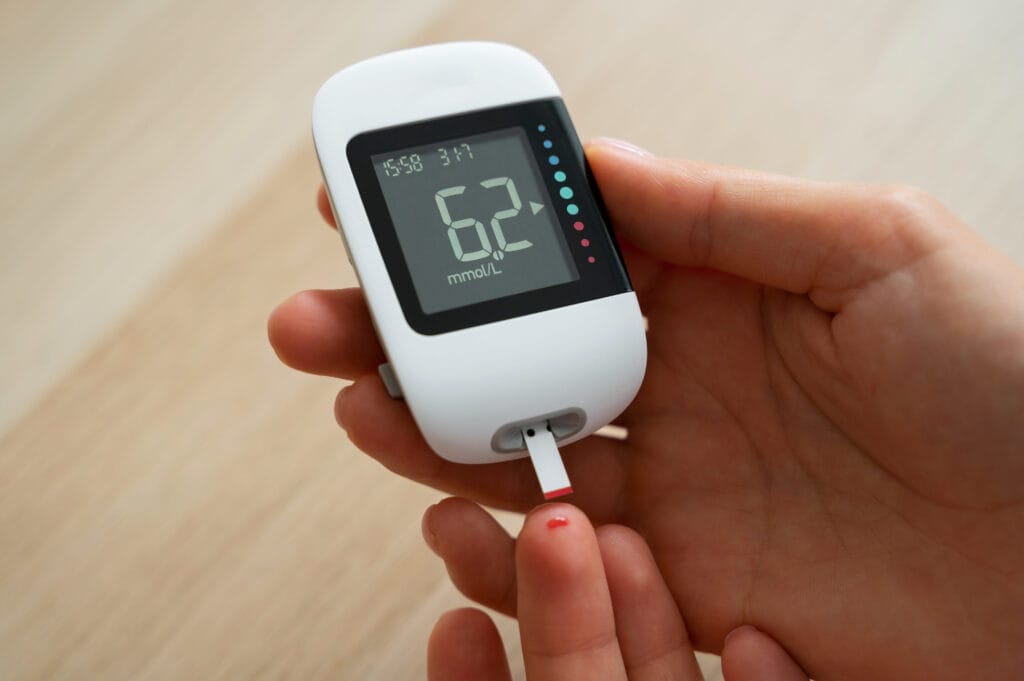
People living with diabetes should focus on blood sugar balance. Holiday foods high in sugar, refined carbohydrates and sweet drinks can cause dangerous spikes.
Choose complex carbohydrates, fiber rich vegetables and lean protein. Eat regular meals and avoid sugary beverages. Water and homemade unsweetened juices are better options. Monitoring portions and timing helps maintain stable blood glucose levels.
3. Heart Failure
Heart failure patients should limit fluid overload, sodium and unhealthy fats. Heavy meals can increase shortness of breath and fatigue.
Choose smaller balanced meals with vegetables, whole grains and lean protein. Avoid alcohol and highly processed foods. Staying active and hydrated appropriately supports heart function during the holidays.
4. High Cholesterol
High cholesterol requires limiting saturated and trans fats. Fried foods, fatty meats and baked goods can worsen lipid levels.
Opt for foods rich in fiber such as fruits, vegetables, legumes and whole grains. Healthy fats from nut seeds and olive oil support heart health. Balanced eating during the holidays protects long term cardiovascular health.
5. Kidney Disease
Kidney disease requires careful control of protein, sodium, potassium and phosphorus depending on individual needs. Holiday foods often contain high levels of salt additives and toxins.
Avoid alcohol which strains kidney function. Choose fresh home prepared meals and stay hydrated as advised by your physician.
Word From Doctor Zara
The holidays are a special time to spend with family and friends. They are moments to celebrate small wins, growth and life blessings. While enjoying these moments, it is important to remain mindful of what you eat and drink because daily choices can have lifelong effects on your health.
I understand how tempting holiday foods can be. However, putting your health first allows you to enjoy the season without regret or complications. If you find it difficult to manage your health during the holidays, I encourage you to visit your physician to get informed and plan ahead. Even if you are not currently a patient, wise health decisions now protect your future.
You may also reach me for general health guidance at drzaramulla@gmail.com. This does not replace consultation with your doctor or nutritionist.
Frequently Asked Questions
What is healthy holiday eating
Healthy holiday eating means enjoying festive foods while maintaining balance, portion control and nourishment.
Can I still enjoy treats during the holidays
Yes, moderation and mindful portions allow enjoyment without harming your health.
Is healthy holiday eating suitable for weight management
Yes, it helps prevent excess weight gain and supports long term goals.
Are healthy holiday eating ideas family friendly
Yes, these strategies are practical, affordable and suitable for all ages.
Does healthy holiday eating help chronic disease management
Yes it supports stable blood sugar, blood pressure and cholesterol levels.
Can this guide be used as a healthy holiday eating pdf reference
Yes this article can be saved and used as a complete holiday eating guide.