Falls are one of the leading causes of injury, hospitalization, and loss of independence among older adults. While many people associate falls with simple accidents, they are often the result of underlying physical, medical, or environmental factors. A single fall can lead to fractures, head injuries, fear of movement, and long-term disability. In severe cases, falls can significantly alter a senior’s ability to live independently.
Aging naturally affects balance, muscle strength, vision, and reaction time. These changes increase vulnerability to instability and accidents. Chronic health conditions, medication side effects, and unsafe home environments further elevate fall risk. However, falls are not an inevitable part of aging. With proper assessment, targeted exercises, medical management, and environmental modifications, most falls can be prevented.
Preventing falls requires a comprehensive approach that addresses strength, coordination, medication safety, vision care, and home safety. Education plays a critical role in empowering older adults to take proactive steps to protect themselves. By understanding risk factors and implementing preventive strategies, seniors can maintain mobility, confidence, and independence.
Early intervention is essential. Even one minor fall should prompt evaluation by a healthcare provider. Identifying underlying causes early can prevent more serious injuries in the future. With consistent effort and supportive care, older adults can significantly reduce their fall risk and continue living safely and actively.
Table of Contents
Understanding Falls in Older Adults
Common Causes of Falls
Risk Factors
Symptoms and Complications
Diagnosis and Assessment
Lifestyle Modifications
Balance Training and Exercise
Medications and Medical Management
Home Safety and Environmental Adjustments
Support and Caregiver Strategies
A Word from Dr. Zara
Frequently Asked Questions
Understanding Falls in Older Adults
A fall is defined as an unexpected event in which a person comes to rest on the ground or a lower level. In older adults, falls are rarely random. They often result from a combination of physical decline, chronic illness, medication effects, and environmental hazards.
As people age, muscle mass gradually decreases, reflexes slow down, and sensory systems become less efficient. The inner ear, which plays a crucial role in balance, may not function as effectively. Vision changes make it harder to detect obstacles or uneven surfaces. Together, these factors contribute to instability.
Beyond physical injury, falls also have psychological consequences. Many seniors develop a fear of falling again, which can lead to reduced activity, muscle weakening, and even greater fall risk. Understanding falls as preventable events rather than unavoidable accidents is the first step toward effective prevention.
Common Causes of Falls
Falls typically occur due to multiple interacting causes. Muscle weakness, especially in the legs, is one of the most significant contributors. Poor balance, gait instability, and joint stiffness further increase risk.
Medical conditions such as diabetes, arthritis, stroke, Parkinson’s disease, and neuropathy may impair coordination and sensation. Blood pressure fluctuations can cause dizziness or fainting upon standing. Vision problems make it difficult to judge distances or detect hazards.
Environmental factors also play a role. Slippery floors, loose rugs, poor lighting, uneven sidewalks, and cluttered walkways increase the likelihood of tripping. Identifying these causes helps tailor preventive strategies to individual needs.
Risk Factors
Several risk factors increase the likelihood of falls in older adults. Advancing age naturally reduces muscle strength and balance control. A history of previous falls significantly raises the risk of future falls.
Taking multiple medications, especially sedatives, blood pressure drugs, or medications that cause drowsiness, increases instability. Chronic illnesses affecting the nervous or musculoskeletal systems further elevate risk.
Dehydration, malnutrition, and vitamin D deficiency can weaken muscles and bones. Foot problems and improper footwear also contribute. Recognizing these risk factors allows for early intervention and risk reduction.
Symptoms and Complications
Falls can result in a range of injuries, from minor bruises to severe fractures and head trauma. Hip fractures are particularly concerning in older adults, often requiring surgery and prolonged rehabilitation.
Beyond physical injury, complications may include reduced mobility, chronic pain, loss of independence, and emotional distress. Fear of falling can lead to activity restriction, which weakens muscles and worsens balance over time.
Prompt medical evaluation after any fall is essential, even if no immediate injury is apparent. Some injuries, such as internal bleeding or concussions, may not be obvious right away.
Diagnosis and Assessment
Fall risk assessment begins with a comprehensive medical evaluation. Healthcare providers review medical history, medications, vision status, and previous fall incidents. Physical examinations assess muscle strength, balance, coordination, and gait.
Balance tests, such as timed standing or walking assessments, help measure stability. Blood pressure monitoring may identify orthostatic hypotension, a condition where blood pressure drops upon standing.
Home safety evaluations may also be recommended. Identifying environmental hazards and addressing them proactively reduces risk. Accurate assessment ensures targeted interventions and effective prevention.
Lifestyle Modifications
Lifestyle changes play a crucial role in fall prevention. Maintaining a healthy weight supports joint stability and balance. Proper nutrition, including adequate protein and vitamin D intake, strengthens muscles and bones.
Staying hydrated prevents dizziness and low blood pressure. Wearing properly fitted shoes with non-slip soles enhances stability. Avoiding alcohol excess reduces coordination impairment.
Simple daily habits, such as rising slowly from seated positions and using handrails when available, can significantly lower fall risk.
Balance Training and Exercise
Exercise is one of the most effective tools for preventing falls. Strength training focuses on building leg and core muscles, which are essential for stability. Balance exercises improve coordination and body awareness.
Activities such as tai chi, yoga, and low-impact aerobic exercises enhance flexibility and reaction time. Even chair-based exercises can provide benefits for individuals with limited mobility.
Consistency is key. Regular exercise improves confidence and reduces fear of falling. A physical therapist can design a personalized program tailored to individual needs and abilities.
Medications and Medical Management
Medication review is essential in fall prevention. Some medications cause dizziness, sedation, or changes in blood pressure. A healthcare provider may adjust dosages or substitute safer alternatives.
Managing chronic conditions such as diabetes or cardiovascular disease improves overall stability. Treating vision or hearing impairments also enhances environmental awareness.
Regular health checkups ensure that emerging risk factors are identified and addressed promptly.
Home Safety and Environmental Adjustments
Home modifications significantly reduce fall risk. Installing grab bars in bathrooms, securing loose rugs, improving lighting, and using non-slip mats create a safer living environment.
Keeping frequently used items within easy reach prevents unnecessary climbing or stretching. Stairways should have sturdy handrails on both sides.
Regularly reviewing the home for hazards ensures continued safety. Small environmental changes often yield substantial protective benefits.
Support and Caregiver Strategies
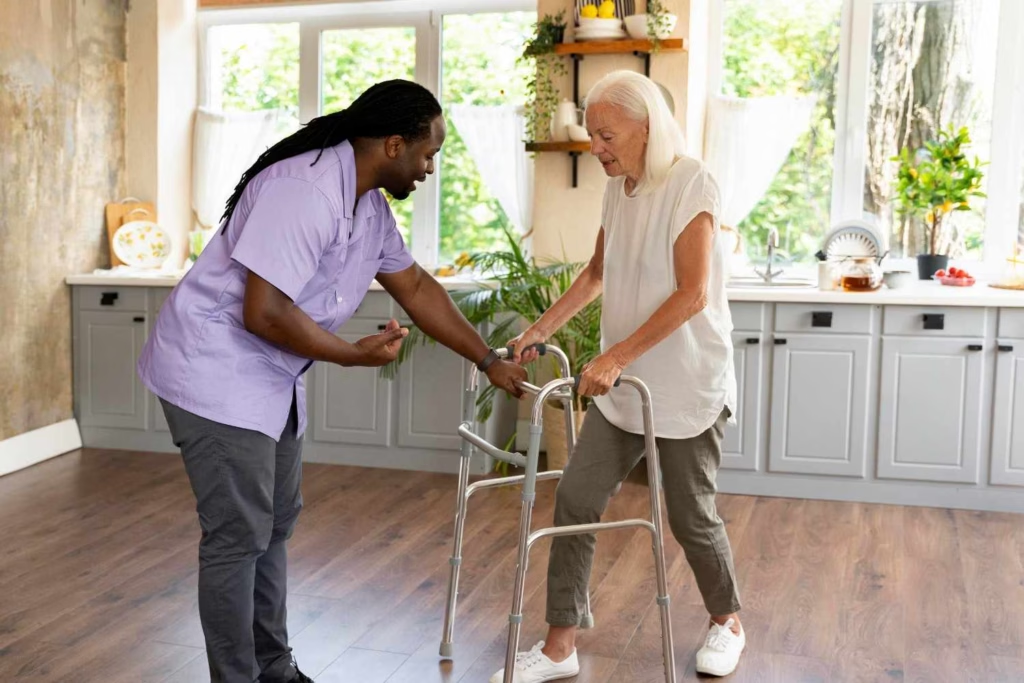
Caregivers play a vital role in fall prevention. They can assist with home safety modifications, encourage exercise participation, and monitor for signs of instability.
Emotional support helps reduce fear and build confidence. Caregivers should observe changes in walking patterns or balance and report concerns to healthcare providers.
Open communication between seniors, caregivers, and medical professionals fosters a proactive approach to safety and independence.
A Word from Dr. Zara
Falls are not simply accidents; they are often preventable events with identifiable risk factors. By addressing muscle strength, balance, medication safety, and environmental hazards, older adults can significantly reduce their risk of injury. Prevention requires awareness, proactive planning, and collaboration with healthcare providers. I encourage seniors and caregivers to take falls seriously and implement preventive strategies early. I am a qualified physician and welcome your questions via email at drzaramulla@gmail.com or on Instagram @drzaramulla.
Frequently Asked Questions
- Are falls a normal part of agingNo, while aging increases risk, most falls can be prevented with proper strategies.
- What is the most common cause of falls in seniorsMuscle weakness and balance problems are among the most common causes.
- Can exercise really reduce fall riskYes, regular balance and strength training significantly lower fall risk.
- Should I see a doctor after a minor fallYes, even minor falls should be evaluated to rule out hidden injuries or underlying causes.
- How can caregivers help prevent fallsCaregivers can support home safety changes, encourage exercise, and monitor medication side effects.