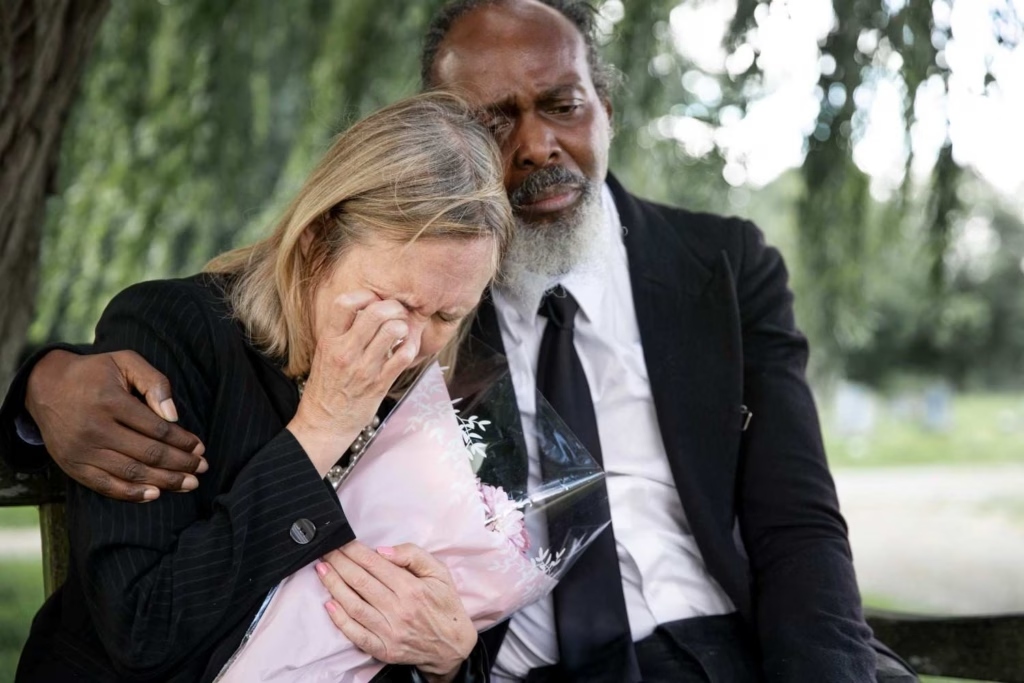
Loss is an inevitable part of life, yet it can feel especially profound and complicated in older adulthood. As we age, we are more likely to experience the death of a spouse, siblings, friends, or even the loss of health, independence, and familiar routines. These losses are not only emotionally challenging but can also disrupt a person’s sense of identity, purpose, and daily life. Grief in older adults is often overlooked or minimized, as society expects seniors to “be strong” or assume that their sadness is a natural consequence of age. However, when grief is unacknowledged or suppressed, it can lead to depression, anxiety, social withdrawal, and even physical health problems. Understanding the grieving process, recognizing its physical and emotional manifestations, and knowing how to cope effectively are critical for older adults to regain balance, resilience, and hope.
Table of Contents
- Understanding Loss and Grief
- Types of Loss Experienced by Older Adults
- Emotional and Physical Effects of Grief
- Complicated Grief: When Healing Is Prolonged
- Coping Strategies for Older Adults
- The Role of Family and Caregivers
- Community Resources and Support Networks
- Professional Support and Therapy Options
- Lifestyle Habits That Aid Healing
- Finding Meaning and Purpose After Loss
- A Word from Dr. Zara
- Frequently Asked Questions (FAQs)
Understanding Loss and Grief
Loss can take many forms, and grief is the natural emotional response to any meaningful loss. While the death of a loved one is the most obvious form, older adults often grieve non-death losses as well. The loss of mobility, independence, social roles, financial security, or even daily routines can produce profound emotional distress. Grief is not linear and does not follow a fixed timetable. It is an evolving experience, shaped by personal history, cultural background, social support, and the significance of the loss. Allowing oneself to acknowledge grief and process emotions is essential for emotional and physical health.
Types of Loss Experienced by Older Adults
Older adulthood brings unique challenges and repeated losses. The death of a spouse is often the most devastating, as it affects emotional security, companionship, and daily routines. Losing friends and siblings over time compounds grief and can contribute to loneliness and a heightened awareness of mortality. Declining health or physical limitations, such as reduced mobility, hearing or vision impairment, or chronic illness, can alter independence and self-esteem. Retirement or role changes may leave older adults feeling purposeless or undervalued. Even symbolic losses, such as a reduction in social engagement or the loss of routine, can have deep emotional effects. These losses are cumulative, and their impact can be intensified when multiple occur in a short period.
Emotional and Physical Effects of Grief
Grief in older adults manifests in both emotional and physical ways. Emotionally, grief may appear as sadness, anxiety, irritability, guilt, or emotional numbness. Many seniors experience withdrawal, fatigue, or a loss of interest in activities they once enjoyed. Physically, grief can affect sleep, appetite, energy levels, and even exacerbate chronic health conditions. Headaches, digestive issues, chest tightness, and weakened immunity are common. Cognitive effects are also frequent, including difficulty concentrating, memory lapses, and slowed thinking. Recognizing grief as a multifaceted experience is crucial, as it allows caregivers, family members, and the older adult themselves to address both emotional and physical needs.
Complicated Grief: When Healing Is Prolonged
While most grief gradually softens over time, some older adults experience complicated grief, which can be prolonged and debilitating. Complicated grief occurs when sorrow persists intensely for months or even years, interfering with daily life and overall functioning. Individuals may become preoccupied with the loss, avoid reminders, struggle to accept reality, or feel hopeless. Complicated grief often overlaps with depression and anxiety, increasing the risk of social withdrawal, poor self-care, and even thoughts of death. Early recognition and professional support are critical in these cases, as intervention can prevent further emotional and physical decline.
Coping Strategies for Older Adults
Coping with loss is a personal journey, and there is no single “right” way to grieve. One of the most important strategies is allowing emotions to be felt rather than suppressed. Crying, journaling, creating art, or expressing feelings verbally are healthy ways to process grief. Maintaining routines can provide stability during emotional upheaval, and engaging in meaningful activities, even small ones, helps combat isolation. Physical activity, such as walking, stretching, or gentle exercise, supports both mental and physical health. Self-compassion is critical; grief is a natural human response, and healing takes time. Encouraging older adults to be patient and kind with themselves fosters emotional resilience.
The Role of Family and Caregivers
Family and caregivers play a vital role in supporting older adults through grief. Active listening, presence, and understanding are more valuable than giving advice or attempting to “fix” grief. It is important to validate emotions and respect individual grieving styles. Encouraging gentle social interactions and maintaining connections with friends and family can reduce feelings of loneliness. Consistent support, even through small gestures such as shared meals, phone calls, or outings, can significantly aid emotional recovery.
Community Resources and Support Networks
Community resources, such as senior centers, faith-based groups, bereavement programs, and peer support networks, provide opportunities for older adults to connect with others who understand their experience. Sharing grief with people who have faced similar losses helps normalize emotions and reduces feelings of isolation. Social engagement within these networks fosters emotional wellbeing, offers practical guidance, and allows older adults to regain a sense of connection and belonging.
Professional Support and Therapy Options
Professional intervention is beneficial for many older adults experiencing grief, especially in cases of complicated grief or overlapping depression and anxiety. Grief counseling provides a safe environment for emotional expression and adaptation to life changes. Cognitive behavioral therapy can help address negative thought patterns linked to loss, while group therapy offers community and shared understanding. In some cases, medications may be prescribed to manage symptoms of depression or anxiety. Seeking professional support is a sign of strength and an important step toward emotional and physical health.
Lifestyle Habits That Aid Healing
Lifestyle choices significantly impact emotional resilience. Regular physical activity, even mild exercise, improves mood, reduces stress, and enhances sleep quality. A balanced diet supports energy, immunity, and brain health. Mindfulness practices, meditation, and reflection help manage rumination and promote emotional stability. Staying hydrated, avoiding excessive alcohol, and prioritizing sleep are equally important. Engaging in meaningful activities, volunteering, or pursuing creative hobbies fosters purpose and helps older adults rebuild a sense of fulfillment following loss.
Finding Meaning and Purpose After Loss
Healing does not mean forgetting those who have been lost. Instead, it is about creating a new sense of meaning in life. Many older adults find purpose through volunteering, mentoring, or creative pursuits. Honoring loved ones through traditions, storytelling, or charitable acts can transform grief into connection and legacy. Spiritual practices, prayer, or reflection often provide comfort and perspective. While life after loss is inevitably changed, it can still contain joy, engagement, and purpose. Grief becomes a chapter in life’s story, rather than its conclusion.
A Word from Dr. Zara
Grief in older adults is often invisible, but its impact is profound. Loss does not expire with age, and neither does the need for compassion, understanding, and care. Healing requires time, support, and self-kindness. I encourage older adults and caregivers to speak openly about grief, seek support, and validate their emotions. I am a qualified physician and welcome your questions in the comments, via email at drzaramulla@gmail.com, or on Instagram @drzaramulla.
Frequently Asked Questions (FAQs)
1. Is grief normal in older age?Yes. Grief is a natural response to loss at any age and should never be dismissed.
2. How long does grief last?There is no fixed timeline. Grief is individual and non-linear, and it can last months or even years.
3. Can grief affect physical health?Yes. Grief can lead to fatigue, sleep disturbances, weakened immunity, and worsening chronic conditions.
4. Should older adults seek therapy for grief?Yes. Counseling and therapy provide guidance, coping strategies, and emotional support.
5. Can joy return after major loss?Absolutely. With time, support, and healthy coping strategies, older adults can rediscover meaning, connection, and joy.