admin

What Actually Happens in the Brain During Dementia?

What Actually Happens in the Brain During Dementia?

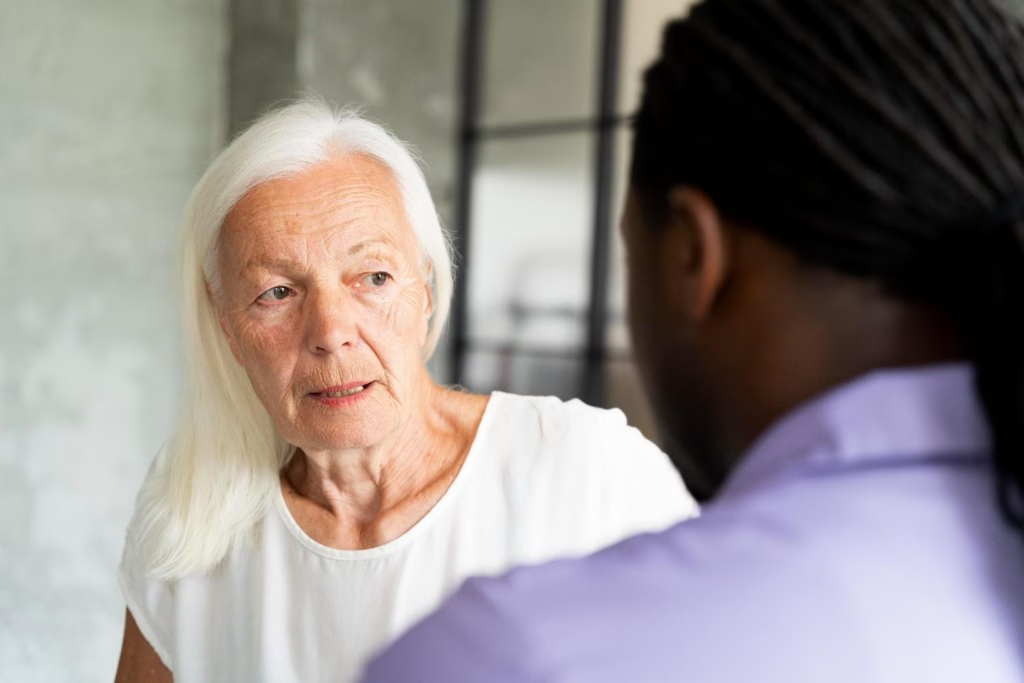
When a loved one is diagnosed with dementia, families often focus on the visible symptoms. Memory loss, confusion, personality changes, and difficulty performing daily tasks are the outward signs. However, beneath these behavioural changes lies a complex biological process occurring inside the brain. Understanding what physically happens in the brain during dementia reduces stigma and […]

What Actually Happens in the Brain During Dementia? Read More »

When Is Forgetfulness Normal Ageing vs Dementia?

When Is Forgetfulness Normal Ageing vs Dementia?

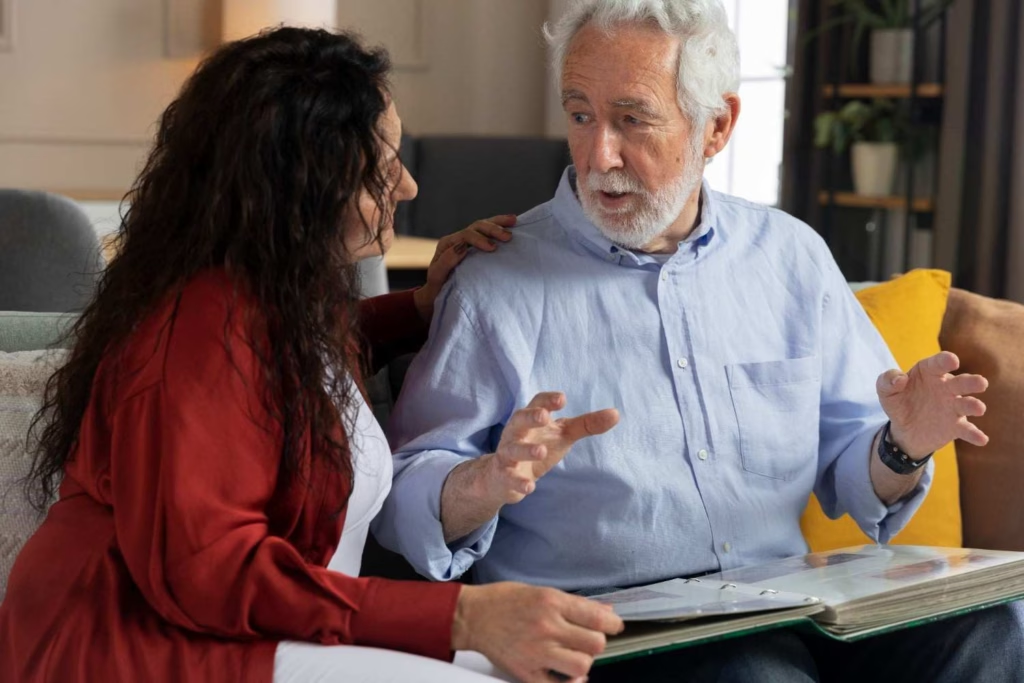
For many families, the first concern begins with a simple question. Is this normal ageing, or is something more serious happening? Occasional forgetfulness is common as we grow older. Slower recall, misplacing items, or needing reminders does not automatically mean dementia. However, understanding the difference between typical age related memory changes and pathological cognitive decline

When Is Forgetfulness Normal Ageing vs Dementia? Read More »

Early Signs of Dementia Families Miss That Doctors Look For

Early Signs of Dementia Families Miss That Doctors Look For

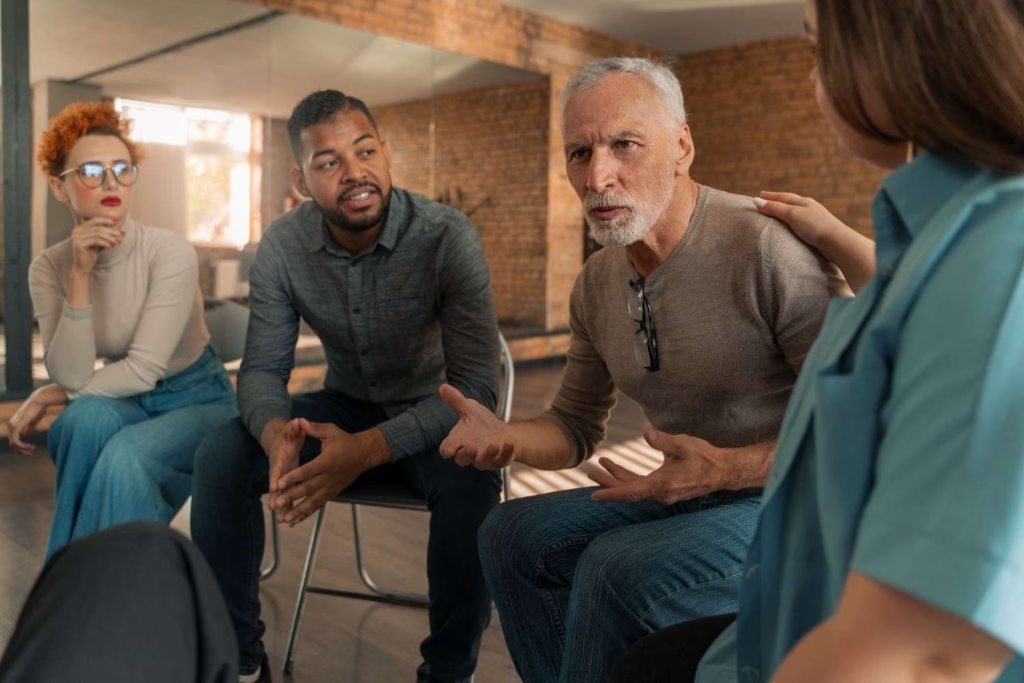
Dementia rarely begins with dramatic memory loss. In most cases, it starts quietly. Subtle changes in behaviour, thinking, mood, or daily habits may appear months or even years before a formal diagnosis is made. Families often attribute these early shifts to stress, normal ageing, personality traits, or fatigue. However, doctors are trained to recognise patterns

Early Signs of Dementia Families Miss That Doctors Look For Read More »

Hydration and Aging – Importance, Risks, and Prevention Strategies

Hydration and Aging – Importance, Risks, and Prevention Strategies

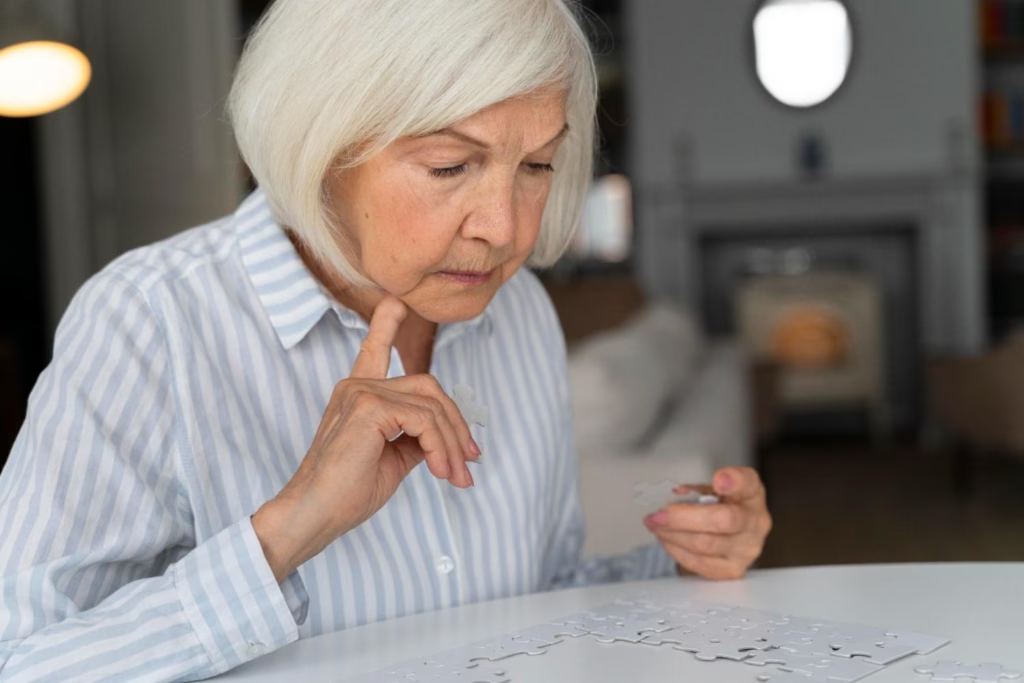
Water is fundamental to life. It supports circulation, digestion, temperature regulation, kidney function, and cognitive performance. As individuals age, maintaining proper hydration becomes increasingly important yet often more challenging. Older adults are at higher risk of dehydration due to physiological changes, chronic medical conditions, medication use, and reduced sensation of thirst. Even mild dehydration can

Hydration and Aging – Importance, Risks, and Prevention Strategies Read More »

Driving Safety and Alternatives – Protecting Independence For The Elderly While Ensuring Safety

Driving Safety and Alternatives – Protecting Independence For The Elderly While Ensuring Safety

Driving represents independence, freedom, and self reliance for many older adults. The ability to drive allows seniors to attend medical appointments, visit friends, shop for essentials, and maintain social connections. However, aging can bring physical, cognitive, and sensory changes that may affect driving ability. Ensuring safety on the road is not about removing independence but

Driving Safety and Alternatives – Protecting Independence For The Elderly While Ensuring Safety Read More »

Emergency Preparedness for the Elderly – Planning for Safety, Security, and Peace of Mind

Emergency Preparedness for the Elderly – Planning for Safety, Security, and Peace of Mind

Emergencies can occur suddenly and without warning. Natural disasters, medical crises, power outages, extreme weather, and unexpected accidents can disrupt daily life and pose serious risks, especially for older adults. Aging individuals may have chronic health conditions, limited mobility, sensory impairments, or dependence on medications and medical devices, all of which can complicate emergency situations.

Emergency Preparedness for the Elderly – Planning for Safety, Security, and Peace of Mind Read More »

Preventing Scams and Fraud for the Elderly – Causes, Risks, and Protection Strategies

Financial scams and fraud are growing threats that disproportionately affect older adults. Seniors are often targeted because they may have retirement savings, own property, or live alone. Scammers frequently exploit trust, politeness, fear, or lack of familiarity with technology. The emotional and financial consequences of fraud can be devastating, leading not only to monetary loss

Preventing Scams and Fraud for the Elderly – Causes, Risks, and Protection Strategies Read More »

Mobility Aids and Assistive Devices for the Elderly – Causes, Treatments, and Strategies

Maintaining mobility is essential for independence, dignity, and quality of life in older adults. As individuals age, changes in muscle strength, balance, joint flexibility, and coordination can make walking and performing daily tasks more challenging. Chronic conditions such as arthritis, stroke, neuropathy, Parkinson’s disease, and osteoporosis further affect mobility and increase the risk of falls.

Mobility Aids and Assistive Devices for the Elderly – Causes, Treatments, and Strategies Read More »

Fall Prevention and Balance for the Elderly – Causes, Treatments, and Strategies

Fall Prevention and Balance for the Elderly – Causes, Treatments, and Strategies

Falls are one of the leading causes of injury, hospitalization, and loss of independence among older adults. While many people associate falls with simple accidents, they are often the result of underlying physical, medical, or environmental factors. A single fall can lead to fractures, head injuries, fear of movement, and long-term disability. In severe cases,

Fall Prevention and Balance for the Elderly – Causes, Treatments, and Strategies Read More »