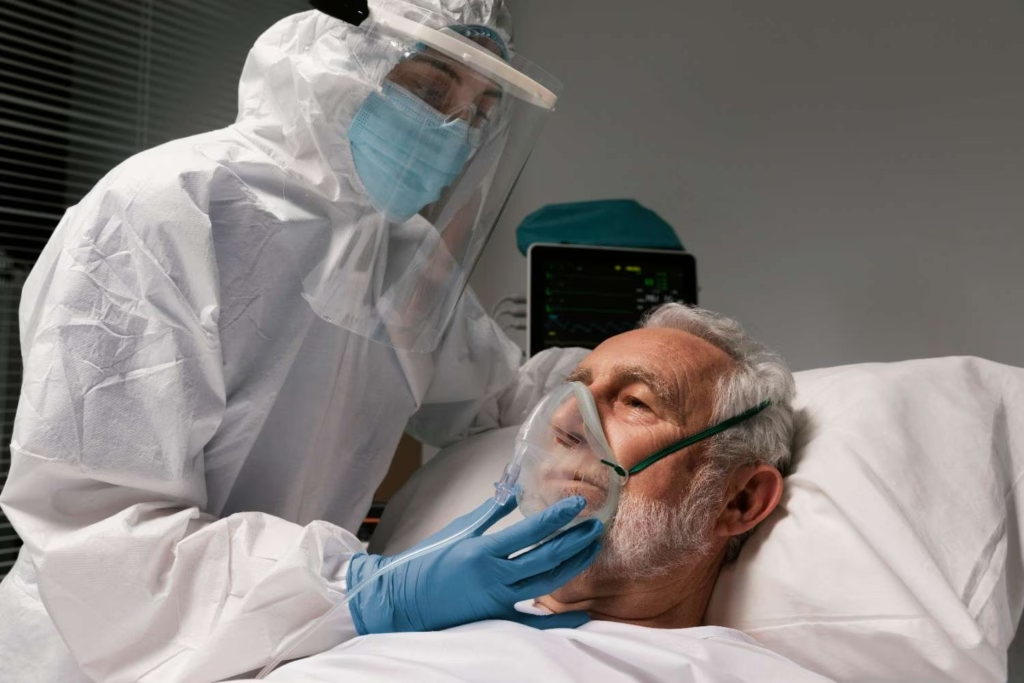
One of the most dangerous problems older adults face in hospital is something many families have never heard of: delirium. It is a sudden change in thinking, attention, awareness, and behavior that often appears during illness, after surgery, or during a hospital stay. A loved one who was speaking normally yesterday may suddenly seem confused, sleepy, frightened, restless, or “not like themselves” today. They may not know where they are, may talk about things that are not there, or may become unusually quiet and withdrawn.
Families often mistake this for dementia, stress, or simply old age, but delirium is different. It comes on quickly, can be triggered by something treatable, and in elderly care it is often a medical emergency hiding in plain sight. The reason it is so underdiagnosed is that it does not always look dramatic. Some older adults become agitated, but many become very sleepy and silent, which is easier to miss. Understanding delirium helps families recognize it early, ask the right questions, and protect older adults from one of the most serious yet overlooked hospital conditions.
Table of Contents
- What Delirium Really Means
- Why It Is So Common in Hospitals
- Delirium vs Dementia
- The Two Main Types of Delirium
- Common Triggers in Older Adults
- Why Infections Often Cause Delirium
- Medication-Related Delirium
- Sleep Loss and Hospital Confusion
- Why Surgery Can Trigger Delirium
- The Danger of Quiet Delirium
- Why Delirium Delays Recovery
- What Families Usually Notice First
- How Doctors Treat the Cause
- How Families Can Help Prevent It
- A Word from Dr. Zara
- Frequently Asked Questions
What Delirium Really Means
Delirium is a sudden change in the way the brain is working. The key word is sudden. A person may be alert and clear one day, then confused the next. They may struggle to focus, forget where they are, speak less clearly, or seem frightened. The brain becomes temporarily overwhelmed by illness, medications, dehydration, pain, or the hospital environment itself. In older adults, the brain is more sensitive to stress, which is why delirium is so common in hospital medicine.
Why It Is So Common in Hospitals
Hospitals create the perfect conditions for delirium in frail older adults. There is noise at night, unfamiliar rooms, constant interruptions, sleep loss, pain, new medications, IV lines, and often poor eating or drinking. Even when the hospital is successfully treating the main illness, the brain may struggle with everything happening around it. This is why delirium is one of the most common hospital complications in elderly patients.
Delirium vs Dementia
Families often confuse delirium with dementia, but they are not the same. Dementia usually develops slowly over months or years. Delirium happens quickly, often within hours or days. A person with dementia can also develop delirium on top of it, which makes the confusion much worse. The suddenness of the change is what makes doctors think about delirium first.
A simple way to tell the difference:
- Dementia: slow memory decline over time
- Delirium: sudden confusion and behavior change
- Both can happen together
This difference is extremely important because delirium may improve when the trigger is treated.
The Two Main Types of Delirium
Delirium does not always look the same. Some people become hyperactive, meaning restless, agitated, or even aggressive. They may try to get out of bed, pull lines, or say strange things. Others develop hypoactive delirium, which is quieter and more dangerous because it is easy to miss. These patients become very sleepy, slow to answer, less interested in food, and seem withdrawn.
The quiet type is often the most underdiagnosed because families may think the person is simply tired.
Common Triggers in Older Adults
Many things can trigger delirium in an older adult, and often there is more than one cause at the same time. The most common triggers are infection, dehydration, medication side effects, pain, constipation, urine retention, poor sleep, and surgery.
Common triggers include:
- Urine infections
- Chest infections
- Dehydration
- New sleeping tablets
- Strong pain medications
- Severe constipation
- Low oxygen
- Sudden change in environment
Doctors usually look for several causes at once.
Why Infections Often Cause Delirium
Infections are one of the biggest reasons older adults become suddenly confused. A urine infection, pneumonia, or even a skin infection may first show up as confusion before fever or pain. Families are often surprised because the person may not complain of the usual symptoms. In elderly medicine, sudden confusion is often the first sign of infection.
Medication-Related Delirium
Medications are another major hidden cause. Sleeping tablets, opioid painkillers, bladder medications, antihistamines, and some anxiety drugs can all affect the brain. In an older body, the drug may stay in the system longer and have a stronger effect. A medication that is safe in a younger adult may trigger major confusion in a frail older person.
Sleep Loss and Hospital Confusion
Sleep is one of the brain’s biggest protections, and hospitals are not restful places. Older adults are often woken for blood pressure checks, blood tests, medications, alarms, and hallway noise. After several nights of poor sleep, the brain becomes much more vulnerable to delirium. This is why protecting nighttime rest is such an important part of prevention.
Why Surgery Can Trigger Delirium
Surgery places huge stress on the body and brain. Anesthesia, pain, sleep loss, strong painkillers, inflammation, and the stress of recovery can all lead to sudden confusion. Older adults are especially at risk after hip fracture surgery, major abdominal surgery, or ICU stays. Families may notice the confusion starts a day or two after the operation.
The Danger of Quiet Delirium
The sleepy, quiet form of delirium is especially dangerous because it can look like normal tiredness. The person may sleep most of the day, eat less, answer slowly, and seem withdrawn. Because they are not disruptive, staff and family may miss it. But this form is linked to poor recovery, longer hospital stays, and worse outcomes.
Why Delirium Delays Recovery
Delirium makes it harder for older adults to recover because they may not participate in physiotherapy, may refuse food, pull out IV lines, or become too sleepy to move safely. This leads to weakness, muscle loss, poor nutrition, and longer hospital stays. Sometimes the infection improves, but recovery is delayed because the delirium itself becomes the bigger problem.
What Families Usually Notice First
Families are often the first to notice delirium because they know the person’s normal personality. The first signs are usually unusual sleepiness, saying strange things, not recognizing familiar people, being frightened, or acting unlike themselves.
Early warning signs include:
- Sudden confusion
- More sleeping than usual
- Restlessness at night
- Talking to people not there
- New fear or paranoia
- Refusing food
- Not recognizing family
These changes should always be reported quickly.
How Doctors Treat the Cause
The most important treatment is to find and fix the trigger. Doctors check for infection, dehydration, medication side effects, constipation, pain, low oxygen, or urine retention. Once the cause is treated, the brain often improves. The goal is not simply to “calm the patient,” but to remove what is stressing the brain.
How Families Can Help Prevent It
Families are incredibly helpful in preventing and improving delirium. Familiar voices, normal glasses or hearing aids, good hydration, reminding the person of the day and place, and helping them stay awake in daytime all support brain recovery.
Helpful family actions include:
- Bringing glasses and hearing aids
- Encouraging fluids
- Helping with meals
- Gentle orientation (“You’re in hospital, it’s Monday”)
- Keeping daytime bright and active
- Reducing unnecessary noise at night
These simple steps can make a major difference.
A Word from Dr. Zara
Delirium is one of the most underdiagnosed conditions in hospital medicine because families and even staff may mistake it for dementia, tiredness, or normal aging. In reality, it is often the brain’s distress signal in response to infection, medication changes, dehydration, pain, or sleep disruption. The sooner delirium is recognized, the sooner we can treat the trigger, protect recovery, and prevent long-term decline. In elderly care, sudden confusion should never be brushed aside, it is often one of the most important warning signs we have. If you have any medical questions, feel free to email me at DRZARAMULLA@gmail.com.
Frequently Asked Questions
1. Is delirium the same as dementia?
No, delirium is sudden, while dementia is gradual.
2. Can infection cause sudden confusion?
Yes, very commonly in older adults.
3. Can delirium improve?
Yes, especially when the cause is treated early.
4. Is sleepy confusion also delirium?
Yes, the quiet type is very common.
5. Should sudden confusion always be checked urgently?
Yes, it may be a medical emergency.
