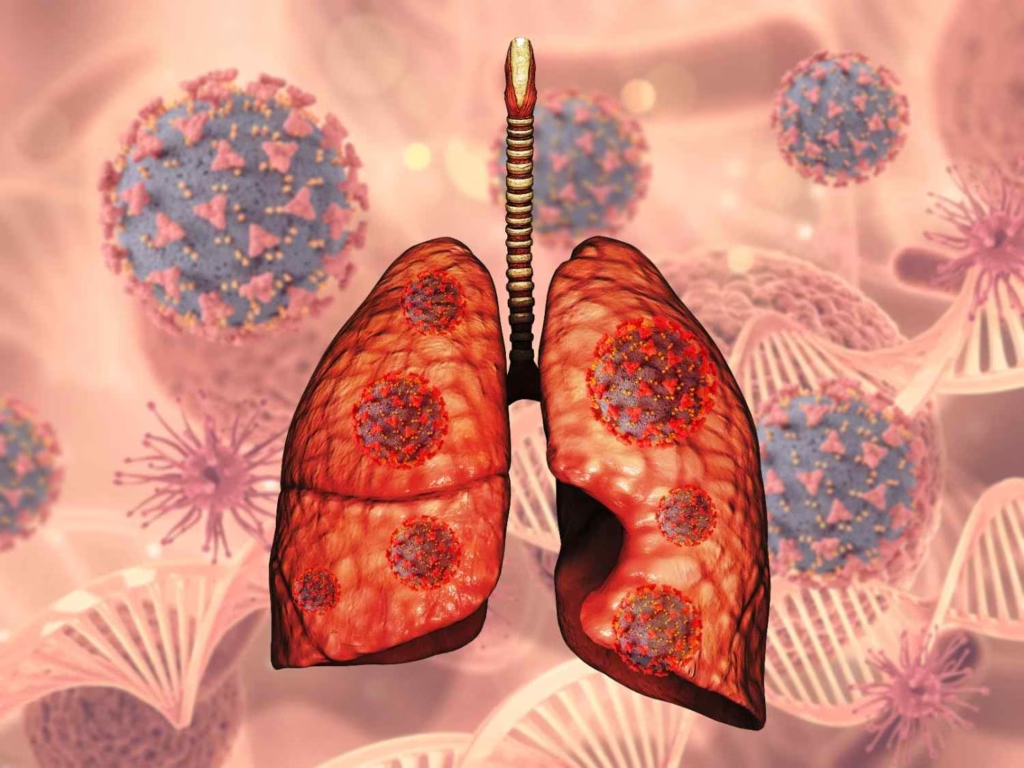
As the seasons shift from fall into winter, coughs, sneezes, sore throats, and runny noses begin to circulate rapidly within homes, schools, workplaces, and public spaces. This seasonal rise in respiratory infections is not a coincidence. It results from a combination of human behavior, such as spending more time indoors alongside the biological nature of viruses and bacterias, and the effects of cold-dry air on the body’s immune defenses. Cold air can dry out the mucous membranes of the respiratory tract, weakening one of the body’s first lines of defense and making it easier for pathogens to invade.
Respiratory infections are among the most common illnesses worldwide. While many are mild and self-limiting, others can become severe or even life-threatening if left untreated. Understanding how these infections develop, how they affect different parts of the respiratory system, and when to seek medical care is essential for protecting both individual and public health.
Table of Contents
- What Are Respiratory Infections?
- Types of Respiratory Infections
- Overview of the Respiratory Tract
- Upper Respiratory Tract Infections (URTIs)
- Symptoms
- Causes
- Risk Factors and Complications
- Types of Upper Respiratory Infections
- Diagnosis
- When to See a Physician
- Treatment
- Pathophysiology of Upper Respiratory Tract Infections
- Lower Respiratory Tract Infections (LRTIs)
- Common Infections
- Diagnosis
- Treatment
- Pathophysiology of Lower Respiratory Tract Infections
- Prevention Strategies
- A Word from Dr. Zara
- Frequently Asked Questions (FAQs)
What Are Respiratory Infections?
Respiratory infections are illnesses that affect the parts of the body involved in breathing. These include the nose, sinuses, throat, voice box, windpipe, airways, and lungs. They occur when harmful microorganisms, such as viruses, bacteria, or fungi invade the respiratory tract and trigger inflammation and immune responses.
Respiratory infections are broadly divided into two main categories, based on the location of infection and the symptoms they produce:
- Upper Respiratory Tract Infections (URTIs): Affect the nose, sinuses, throat, voice box, and sometimes the tonsils.
- Lower Respiratory Tract Infections (LRTIs): Affect the windpipe, bronchi, bronchioles, air sacs (alveoli), and lungs.
This classification is clinically important because lower respiratory infections are generally more serious and may require urgent medical attention.
Types of Respiratory Infections
Respiratory infections can also be classified based on their cause:
- Viral infections (most common)
- Bacterial infections
- Fungal infections (less common, often in immunocompromised individuals)
Each type affects the body differently and requires specific approaches to diagnosis and treatment.
Overview of the Respiratory Tract
The respiratory tract is divided into:
- Upper respiratory tract: Nose, nasal cavity, sinuses, pharynx (throat), and larynx (voice box).
- Lower respiratory tract: Trachea (windpipe), bronchi, bronchioles, and lungs.
The primary function of this system is to deliver oxygen to the bloodstream and remove carbon dioxide. Any infection that interferes with this process can significantly affect overall health.
Upper Respiratory Tract Infections (URTIs)
Upper respiratory tract infections are viral or bacterial infections that affect the upper part of the respiratory system, including the nose, sinuses, and throat. They are extremely common and often spread easily through respiratory droplets, direct contact, or contaminated surfaces.
Symptoms of Upper Respiratory Tract Infections
Common Symptoms
- Sore throat
- Fever
- Cough
- Hoarse voice or loss of voice
- Runny or stuffy nose
- Sneezing
- Facial pressure or pain
- Fatigue
- Wheezing
- Swollen lymph nodes
Less Common Symptoms
- Bad breath
- Body aches
- Diarrhea
- Headaches
- Itchy or watery eyes
- Shortness of breath
- Sinus pain
- Nausea and vomiting
Causes of Upper Respiratory Tract Infections
Most URTIs are caused by viruses, although bacteria and fungi can also be responsible in some cases.
Common Viral Causes
- Common cold viruses (Rhinoviruses)
- Influenza A and B
- SARS-CoV-2
- Respiratory Syncytial Virus (RSV)
- Varicella-Zoster Virus
- Herpes Simplex Virus
Bacterial Causes
- Streptococcus species
- Haemophilus influenzae
- Moraxella catarrhalis
Fungal Causes (rare)
- Aspergillus
- Mucormycetes
Risk Factors and Possible Complications
Upper respiratory infections are usually mild, but if untreated or improperly managed, they may lead to complications such as:
- Sinusitis
- Ear infections
- Rheumatic fever
- Scarlet fever
- Meningitis
- Sepsis
- Organ damage
Types of Upper Respiratory Infections
Common URTIs include:
- Common cold
- Sinusitis
- Pharyngitis
- Laryngitis
- Tonsillitis
Each type affects a specific part of the upper respiratory tract and may present with overlapping symptoms.
Diagnosis
Diagnosis is often based on clinical symptoms and physical examination. Additional tests may include:
- Nasal swab tests
- Throat culture
- Rapid antigen tests
- Blood tests (in severe or recurrent cases)
When to See a Physician
You should seek medical attention if symptoms are severe, persist longer than two weeks, recur frequently, or are accompanied by high fever, difficulty breathing, or chest pain. Early evaluation helps prevent complications and ensures appropriate treatment.
Treatment
Treatment depends on the underlying cause:
- Viral infections: Rest, fluids, fever control, and symptom relief
- Bacterial infections: Antibiotics when prescribed
- Fungal infections: Antifungal medications in selected cases
Supportive care remains the cornerstone of treatment for most URTIs.
Pathophysiology of Upper Respiratory Tract Infections
Upper respiratory infections begin when pathogens enter through the nose or mouth and attach to the mucosal lining. The body responds by activating the immune system, causing inflammation, increased mucus production, and swelling. These responses lead to symptoms such as congestion, sore throat, and cough. If immune defenses fail to clear the infection, it may spread to nearby structures or descend into the lower respiratory tract.
Lower Respiratory Tract Infections (LRTIs)
Lower respiratory tract infections affect the airways and lungs, including the trachea, bronchi, bronchioles, and alveoli. These infections are generally more serious and can impair oxygen exchange.
Common Lower Respiratory Infections
Bronchitis
Bronchitis involves inflammation of the bronchial tubes, leading to cough, mucus production, chest discomfort, and wheezing. It can be acute (usually viral) or chronic (often related to smoking or pollution).
Pneumonia
Pneumonia is an infection of the air sacs in the lungs, causing them to fill with fluid or pus. Symptoms include fever, chills, chest pain, shortness of breath, and fatigue. Pneumonia can be viral, bacterial, or fungal.
Tuberculosis
A serious bacterial infection caused by Mycobacterium tuberculosis, affecting the lungs and potentially spreading to other organs.
Diagnosis of Lower Respiratory Infections
Diagnostic tools include:
- Chest X-ray
- Sputum tests
- Nasal swab
- Blood tests
- Oxygen level monitoring
Treatment of Lower Respiratory Infections
Medical evaluation is essential. Treatment depends on the specific infection:
- Bronchitis: Supportive care, inhalers, and sometimes antibiotics
- Pneumonia: Antibiotics, antivirals, or antifungals depending on cause
- Tuberculosis: Long-term combination antibiotic therapy
Hospitalization may be required in severe cases.
Pathophysiology of Lower Respiratory Tract Infections
Lower respiratory infections occur when pathogens bypass upper airway defenses and reach the lungs. Inflammation of the alveoli interferes with oxygen exchange, leading to shortness of breath and low oxygen levels. The immune response causes fluid accumulation and airway narrowing, which further impairs breathing and can become life-threatening if untreated.
Prevention Strategies
- Regular handwashing
- Avoiding close contact with sick individuals
- Wearing masks during outbreaks
- Staying warm in cold weather
- Maintaining good nutrition and hydration
- Vaccinations (influenza, COVID-19, pneumonia)
A Word from Dr. Zara
“Our respiratory system is fundamental to life, if we cannot breathe, we cannot survive. I encourage everyone to take respiratory health seriously by practicing preventive measures such as keeping warm, maintaining good hygiene, and seeking early medical care when symptoms arise. I am always happy to answer health-related concerns; however, this does not replace a proper medical consultation and diagnosis by your physician.”
Frequently Asked Questions (FAQs)
1. Are respiratory infections contagious?
Yes, most respiratory infections spread through droplets or close contact.
2. Can respiratory infections be prevented?
Many can be reduced through hygiene, vaccination, and healthy living.
3. Are antibiotics always needed?
No. Antibiotics only work for bacterial infections.
4. When should I worry about a cough?
If it lasts more than two weeks or is associated with chest pain or breathing difficulty.
5. Can upper respiratory infections turn into lower ones?
Yes, especially in children, older adults, or those with weak immune systems.
