Keeping cholesterol in check is a lifelong commitment to protecting your heart and overall health, whether you have already been diagnosed or not. Cholesterol-related conditions often develop quietly, without obvious symptoms, yet they remain one of the leading contributors to heart disease and stroke worldwide. Understanding what cholesterol is, how it affects your body, and what warning signs to watch, empowers you to take early, meaningful action. With the right knowledge, regular monitoring, and healthy lifestyle choices, high cholesterol is both preventable and manageable.
Table of Contents
- Understanding High Cholesterol
- Medical Terms for High Cholesterol
- Good vs. Bad Cholesterol: A Clear Breakdown
- LDL Cholesterol
- HDL Cholesterol
- Other Lipids: Triglycerides, VLDL, and Lipoprotein(a)
- Symptoms of High Cholesterol
- Top 10 Warning Signs of High Cholesterol
- Causes and Risk Factors of High Cholesterol
- When to See a Doctor
- Prevention and Treatment Options
- Prevention Strategies
- Medical Treatments
- A Word from Dr. Zara
- Frequently Asked Questions (FAQs)
Understanding High Cholesterol
High cholesterol is a condition in which there is an excessive amount of fats, known as lipids, circulating in the blood. Medically, this condition is referred to as hyperlipidemia or hypercholesterolemia. Cholesterol itself is not harmful, in fact, your body needs it to build cell membranes, produce hormones, and support digestion. Problems arise when cholesterol levels exceed what the body can safely manage.
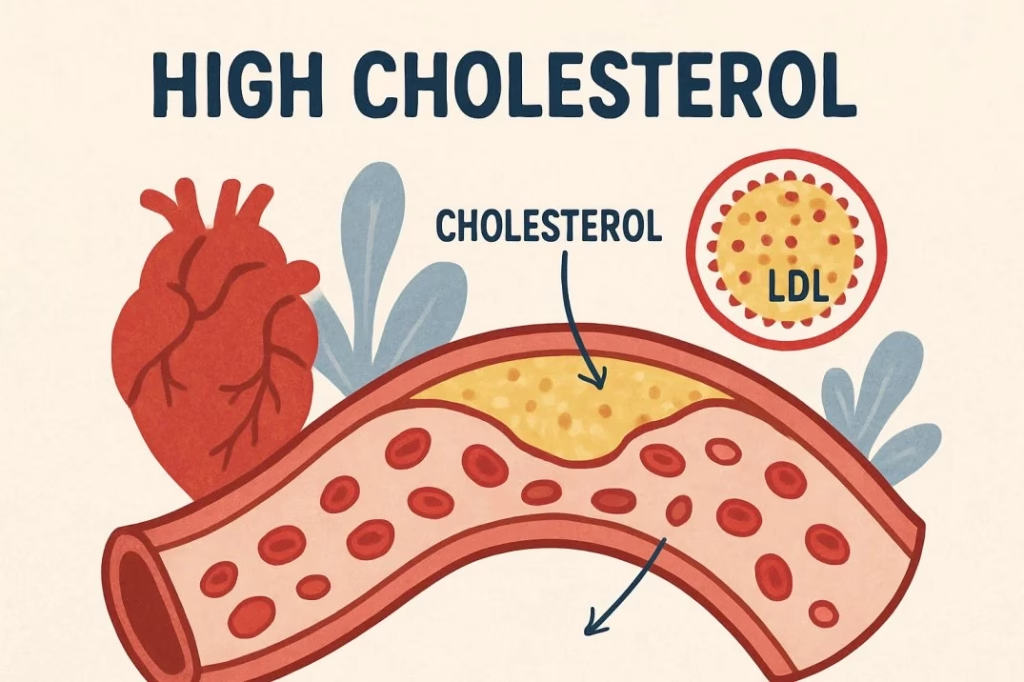
When cholesterol builds up in the bloodstream, it can deposit along artery walls, forming plaques that narrow and stiffen blood vessels. Over time, this process increases the risk of heart attacks, strokes, and other cardiovascular diseases.
Medical Terms for High Cholesterol
- Hypercholesterolemia: High levels of cholesterol in the blood
- Hyperlipidemia: Elevated levels of lipids, including cholesterol and triglycerides
- Dyslipidemia: An imbalance of lipid levels, such as high LDL and low HDL
These terms are often used interchangeably in medical settings, but they all point to disruptions in healthy lipid balance.
Good vs. Bad Cholesterol: A Clear Breakdown
Cholesterol travels through the bloodstream attached to proteins called lipoproteins. These combinations determine whether cholesterol is harmful or protective.
LDL Cholesterol (Low-Density Lipoprotein)
LDL is commonly referred to as “bad cholesterol.” Its primary role is to transport cholesterol from the liver to cells throughout the body. However, when LDL levels are too high, excess cholesterol can stick to artery walls, forming plaques. These plaques restrict blood flow and can rupture, leading to blood clots, heart attacks, or strokes. Managing LDL levels is the main goal of cholesterol treatment and prevention strategies.
HDL Cholesterol (High-Density Lipoprotein)
HDL is known as “good cholesterol.” It helps remove excess cholesterol from the bloodstream and transports it back to the liver for elimination. Higher HDL levels are protective because they reduce the buildup of plaques in arteries and lower cardiovascular risk.
Other Important Blood Lipids
- Triglycerides: A type of fat used for energy storage. High triglyceride levels often occur alongside high LDL and low HDL, increasing heart disease risk.
- VLDL (Very Low-Density Lipoprotein): Produced by the liver to transport triglycerides. Elevated VLDL contributes to plaque formation.
- Lipoprotein(a) [Lp(a)]: A genetically influenced lipoprotein that increases clot formation and plaque buildup. High levels raise cardiovascular risk even when LDL is normal.
Symptoms of High Cholesterol
High cholesterol typically has no visible or noticeable symptoms, which is why it is often referred to as a silent condition. Many people only discover they have high cholesterol after experiencing a serious complication such as a heart attack or stroke. However, certain physical signs and associated conditions may develop over time, particularly when cholesterol levels remain uncontrolled.
Women, in particular, may experience subtle symptoms that are often mistaken for fatigue or stress, making routine screening especially important.
Top 10 Warning Signs of High Cholesterol
While not direct symptoms, the following warning signs may indicate underlying cholesterol-related issues:
- Chest pain (angina): Caused by reduced blood flow to the heart
- Persistent fatigue: Due to poor oxygen circulation
- Shortness of breath: Especially during mild activity
- High blood pressure: Often coexists with high cholesterol
- Xanthomas: Yellowish fatty deposits under the skin, particularly around the eyes, elbows, or knees
- Leg pain when walking: A sign of peripheral artery disease
- Leg numbness or coldness: Reduced circulation to limbs
- Blurred vision: Linked to poor blood flow to the eyes
- Dizziness or lightheadedness: Reduced blood supply to the brain
- Sudden heart attack or stroke: Often the first major sign of untreated high cholesterol
Causes and Risk Factors of High Cholesterol
There is no single cause of high cholesterol. Instead, it results from a combination of controllable and uncontrollable factors.
Common Causes and Risk Factors
- Age: Cholesterol levels tend to rise with age
- Diet: High intake of saturated fats, trans fats, and processed foods
- Lack of physical activity: Reduces HDL levels
- Excess body weight: Increases LDL and triglycerides
- Smoking and alcohol use: Negatively affect lipid balance
- Underlying health conditions:
- Kidney disease
- Liver disease
- Type 2 diabetes
- Hypothyroidism
- Growth hormone deficiency
- Genetics and ethnic background: Family history plays a major role
- Gender: Men and postmenopausal women are at higher risk
When to See a Doctor
Because high cholesterol develops silently, regular medical checkups are essential—even if you feel healthy. A simple blood test called a lipid profile can measure LDL, HDL, total cholesterol, and triglycerides.
Common Tests Your Doctor May Order
- Fasting lipid panel
- Blood sugar tests (to rule out diabetes)
- Thyroid function tests
- Liver and kidney function tests
- Blood pressure measurement
These tests help identify cholesterol disorders early and rule out other underlying conditions that may contribute to abnormal lipid levels.
Prevention and Treatment Options
A healthy life is a happy life, and prevention is always better than cure. Extensive clinical and academic research has led to effective strategies for preventing and managing high cholesterol.
Prevention Strategies
- Balanced diet: Emphasize fruits, vegetables, whole grains, legumes, nuts, and healthy fats
- Regular physical activity: At least 150 minutes of moderate exercise per week
- Read food labels: Avoid trans fats and excessive saturated fats
- Routine health screenings: Know your cholesterol numbers
Medical Treatment Options
In some cases, lifestyle changes alone may not be sufficient. Medications may be prescribed to reduce cholesterol levels and cardiovascular risk.
- Statins: Lower LDL cholesterol and reduce plaque formation
- Ezetimibe: Decreases cholesterol absorption in the intestine
- PCSK9 inhibitors: Powerful injectable medications for high-risk patients
- Bile acid sequestrants: Help remove cholesterol through digestion
Treatment plans are always individualized based on risk level, age, and overall health.
A Word from Dr. Zara
“Many times, we overlook our health because we feel fit and well. However, as a physician, I strongly encourage you to take routine health checkups seriously to avoid being caught off guard by silent yet dangerous conditions such as high cholesterol and hypertension. I would be glad to assist with health-related concerns, though this is not a substitute for an appointment with your doctor. You may reach me via email at Drzaramulla@gmail.com or follow me on Instagram @drzaramulla.”
Frequently Asked Questions (FAQs)
1. What is considered a high cholesterol level?
Total cholesterol above 200 mg/dL is generally considered high.
2. Can high cholesterol be reversed?
Yes, with lifestyle changes and appropriate medical treatment.
3. Are women affected differently by high cholesterol?
Yes, hormonal changes, especially after menopause, can increase risk.
4. How often should cholesterol be checked?
Every 4–6 years for healthy adults, more often if risk factors exist.
5. Is medication always necessary?
Not always. Many people manage cholesterol successfully with diet and exercise, but some require medication.
