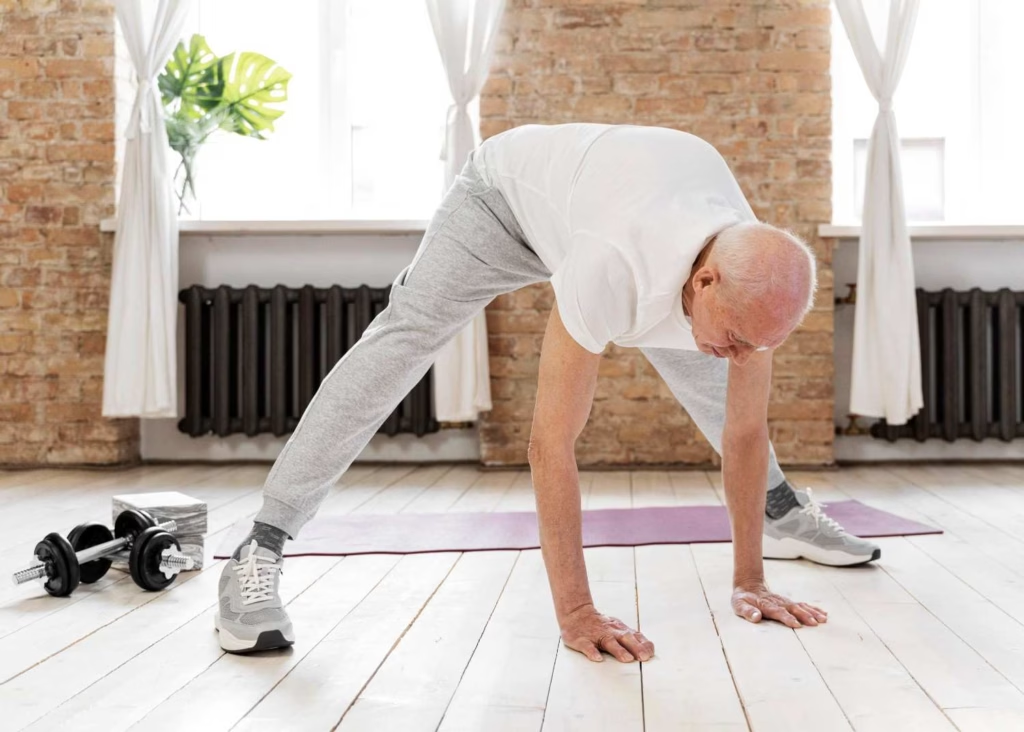
Staying active after the age of 60 is one of the most important things a person can do to stay healthy and independent. Many older adults think exercise has to be long, hard, or done in a gym, but that is not true. A simple 15-minute workout can help improve strength, balance, and movement when done regularly. It can also help with mood, sleep, and energy levels. The goal is not to exercise like a young athlete. The goal is to keep the body moving safely and consistently. This guide will show you how a short and simple routine can make a big difference in everyday life.
Table of Contents
- Why a 15-Minute Workout Is Enough
- Benefits of Exercise for Older Adults
- What Makes a Good Senior Workout
- Safety Tips Before You Start
- Warm-Up Exercises
- Strength Exercises
- Balance Exercises
- Light Cardio Exercises
- Cool Down and Stretching
- A Complete 15-Minute Routine
- Beginner Modifications
- How Often to Do This Workout
- When to Stop Exercising
- A Word from Dr. Zara
- Frequently Asked Questions
Why a 15-Minute Workout Is Enough
Many people believe that exercise must take a long time to be helpful. They may think they need 45 minutes or even an hour to see results. But for older adults, this is not always true. In fact, shorter workouts can often be better because they are easier to do and easier to repeat.
A 15-minute workout feels less overwhelming. It is easier to fit into the day, whether in the morning, afternoon, or evening. Because it feels manageable, people are more likely to do it regularly. And doing exercise regularly is what really improves health.
Short workouts also reduce the risk of getting too tired or injured. The body has time to move without too much strain. Over time, these small daily sessions can add up to big improvements in strength, balance, and overall health.
Benefits of Exercise for Older Adults
Exercise is not just about staying fit. It is about making daily life easier and safer.
When older adults exercise regularly, they may notice that:
- It becomes easier to stand up from a chair
- Walking feels more steady
- The body feels less stiff
- Energy levels improve
- Mood becomes more positive
- Sleep becomes better
Exercise also helps the heart and lungs work better. It improves blood flow and helps control blood pressure. It can even support brain health and reduce feelings of stress or worry.
One of the most important benefits is fall prevention. Strong muscles and good balance can help older adults stay steady on their feet.
What Makes a Good Senior Workout
A good workout for older adults should be simple, safe, and balanced. It should not be too fast or too difficult.
A complete routine includes different types of movement:
- A warm-up to prepare the body
- Strength exercises to build muscles
- Balance exercises to prevent falls
- Light cardio to support heart health
- A cool down to relax the body
Each part has an important role. Together, they help the body stay strong and ready for everyday activities.
Safety Tips Before You Start
Before starting any exercise, it is important to think about safety.
Choose a safe space with enough room to move. Make sure the floor is not slippery. Wear comfortable clothing and supportive shoes if needed.
Use a chair or wall for support. This helps with balance and reduces the risk of falling.
Move slowly and carefully. There is no need to rush. Focus on control and proper movement.
Remember to breathe normally. Do not hold your breath while exercising.
If you feel pain, dizziness, or discomfort, stop immediately and rest.
Warm-Up Exercises
A warm-up prepares the body for movement. It helps increase blood flow and makes the muscles ready to work.
Start by marching in place. Lift one knee at a time while standing or sitting. Let your arms move naturally. Begin slowly and increase the pace a little if you feel comfortable.
Next, roll your shoulders. Lift them up, roll them back, and relax them down. This helps reduce stiffness in the upper body.
Move your ankles by lifting your toes up and then pointing them down. This improves circulation and helps with balance.
Finally, gently turn your body from side to side. This helps loosen the spine and improve movement.
Strength Exercises
Strength is very important for older adults. It helps with everyday tasks like standing, walking, and carrying items.
One of the best exercises is the sit-to-stand. Sit in a chair, lean forward slightly, and stand up. Then sit down slowly. This helps strengthen the legs and hips.
Wall push-ups are another safe option. Stand facing a wall, place your hands on it, and push your body toward and away from the wall. This strengthens the arms and shoulders.
You can also lift one leg slightly while holding a chair. This helps build strength in the hips.
Heel raises are simple but effective. Hold a chair and lift your heels off the ground, then lower them slowly.
Balance Exercises
Balance exercises help reduce the risk of falling.
One simple exercise is standing on one leg. Hold a chair and lift one foot slightly off the ground. Try to hold for a few seconds.
Another exercise is the heel-to-toe stand. Place one foot directly in front of the other and try to balance.
You can also practice stepping sideways slowly while holding a surface for support.
These exercises may feel challenging at first, but they improve with practice.
Light Cardio Exercises
Cardio exercises help the heart and lungs.
Marching in place is a simple option. Move at a steady pace and swing your arms gently.
Step-touch is another easy movement. Step to the side, bring your feet together, and repeat.
You can also add arm movements to increase activity.
The goal is to feel slightly out of breath but still able to talk.
Cool Down and Stretching
Cooling down helps the body relax after exercise.
Slow your movements and take deep breaths. This helps your heart rate return to normal.
Stretch your calves by placing one foot behind you and gently leaning forward.
Open your chest by pulling your shoulders back and lifting your chest slightly.
These gentle stretches help reduce stiffness and improve flexibility.
A Complete 15-Minute Routine
This simple routine combines all the important parts of exercise.
Start with a warm-up for about 3 minutes. March in place, roll your shoulders, and move your ankles.
Next, do strength exercises for about 5 minutes. Include sit-to-stand, wall push-ups, leg lifts, and heel raises.
Then move to balance exercises for 3 minutes. Practice standing on one leg, heel-to-toe standing, and side steps.
After that, do light cardio for 3 minutes. March or step side to side.
Finish with a cool down for 1 minute. Slow your movements and stretch gently.
Beginner Modifications
Not everyone will be able to do every exercise right away, and that is okay.
If something feels too hard, use a chair for support. You can also sit instead of standing.
Do fewer repetitions and take breaks when needed.
Move slowly and focus on comfort.
Even small movements can help improve strength and mobility over time.
How Often to Do This Workout
Try to do this workout at least 3 to 5 times a week.
Some people may choose to do light exercises every day.
Consistency is more important than intensity.
Doing a little exercise regularly is better than doing a lot once in a while.
When to Stop Exercising
It is important to listen to your body.
Stop exercising if you feel:
- Chest pain
- Dizziness
- Trouble breathing
- Sharp pain
- Sudden weakness
If symptoms continue, seek medical advice.
Why This Workout Works
This routine works because it focuses on movements used in daily life.
It helps with standing up, walking, and staying balanced.
It is short, simple, and easy to repeat.
Over time, these small efforts lead to real improvements.
A Word from Dr. Zara
A short workout can still be very powerful. For older adults, the goal is not to exercise harder, but to exercise regularly. Even 15 minutes a day can help maintain strength, balance, and independence.
Frequently Asked Questions
1. Is 15 minutes really enough?
Yes, when done regularly.
2. Can beginners do this?
Yes, it is designed to be simple and safe.
3. Do I need equipment?
No, just a chair or wall.
4. Can I do it every day?
Yes, if you feel comfortable.
5. What if I feel tired?
Rest and try again later.